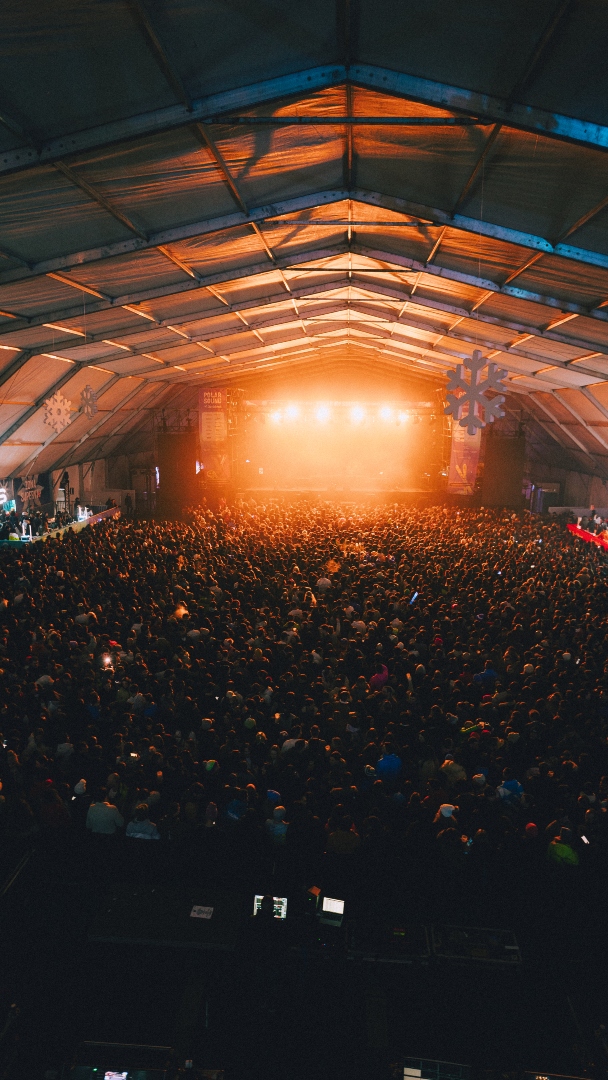
The 48 Open House is one of our favorite parties: hundreds of buildings open their most secret spaces to the public for a few hours.
Barcelona is a city of layers, where history coexists with the architectural avant-garde. Beyond its best-known icons, the Catalan capital and its metropolitan area hold a collection of buildings, farmhouses and unique spaces that often remain hidden from the public eye.
From ancestral farmhouses that survived urban sprawl to crypts with pop aesthetics and examples of futuristic architecture, we propose a tour of fifteen of these must-see places that will transport you to different eras and styles.
Farmhouses and palaces
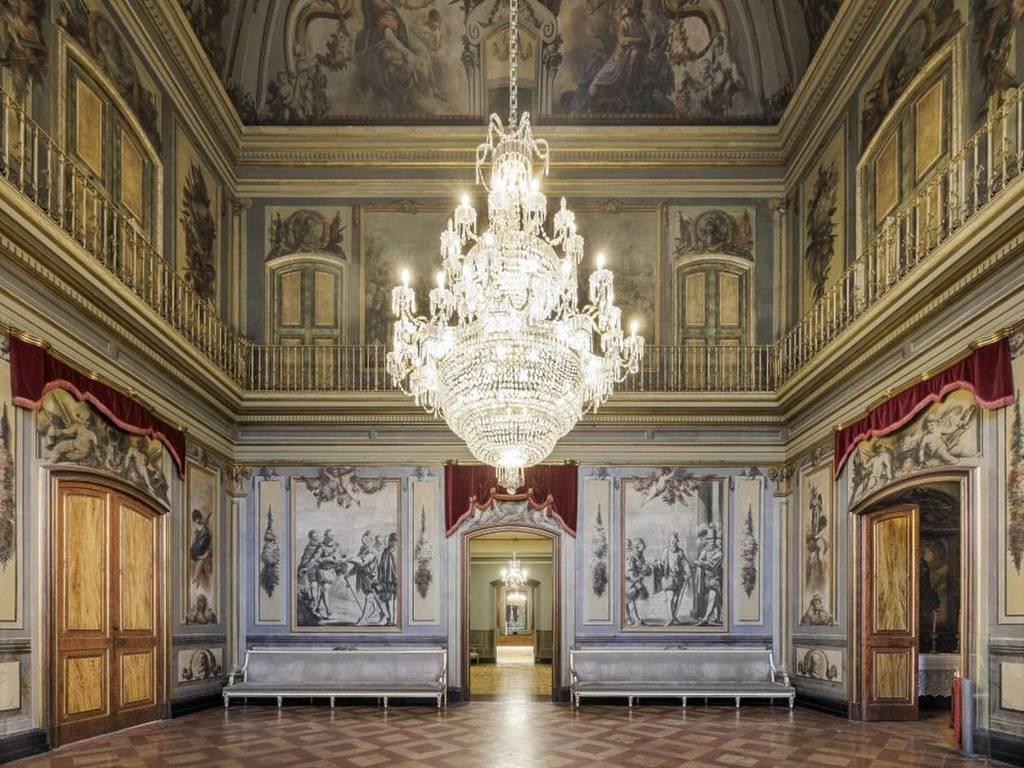
Palau Moja (Barcelona)
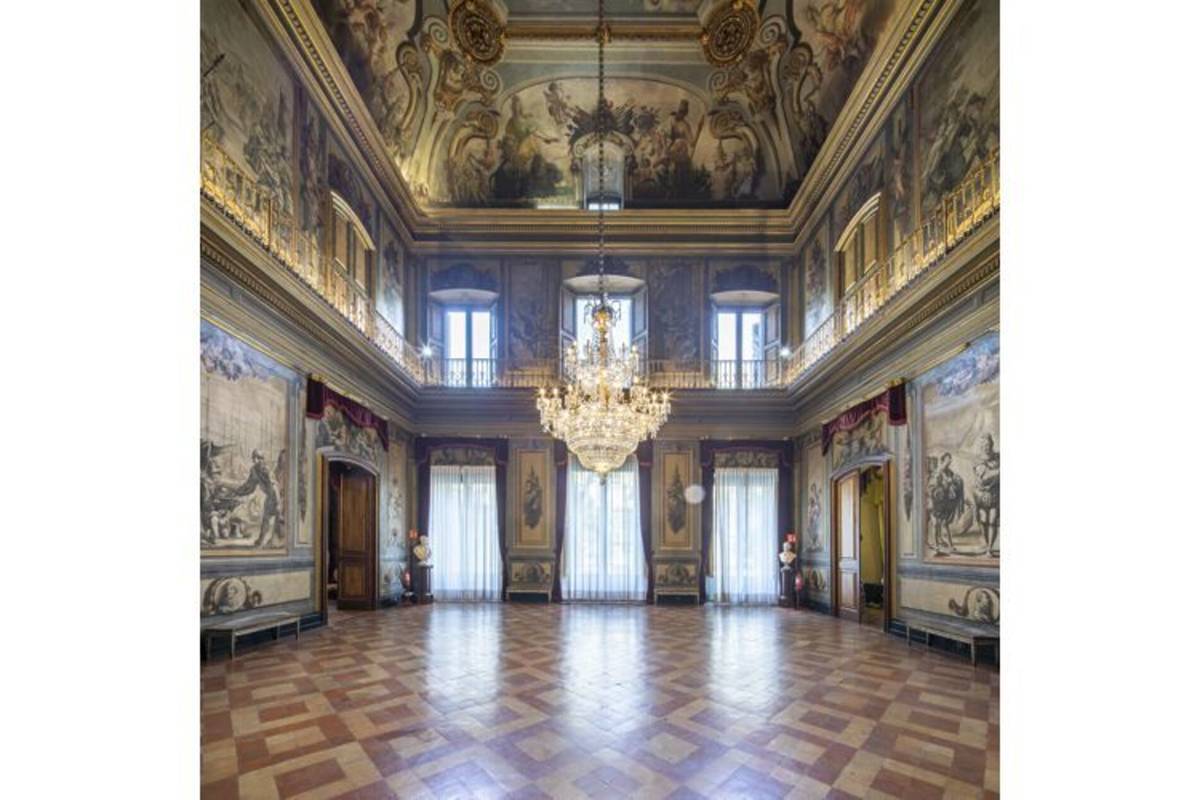
Located on La Rambla, this 18th-century neoclassical palace is a jewel of Catalan civil architecture. Its richly decorated interiors, with frescoes and period halls, transport the visitor to the stately life of old Barcelona.
📌 La Rambla, 118, 08002 Barcelona
Masia del Jardí Botànic (Barcelona)
Located in the green heart of Montjuïc, this traditional farmhouse is a haven of peace with a sober construction, testimony to the rural history of the mountain that survived urban sprawl.
Av. dels Montanyans, 40, 08038 Barcelona
Can Miravitges Farmhouse (Badalona)
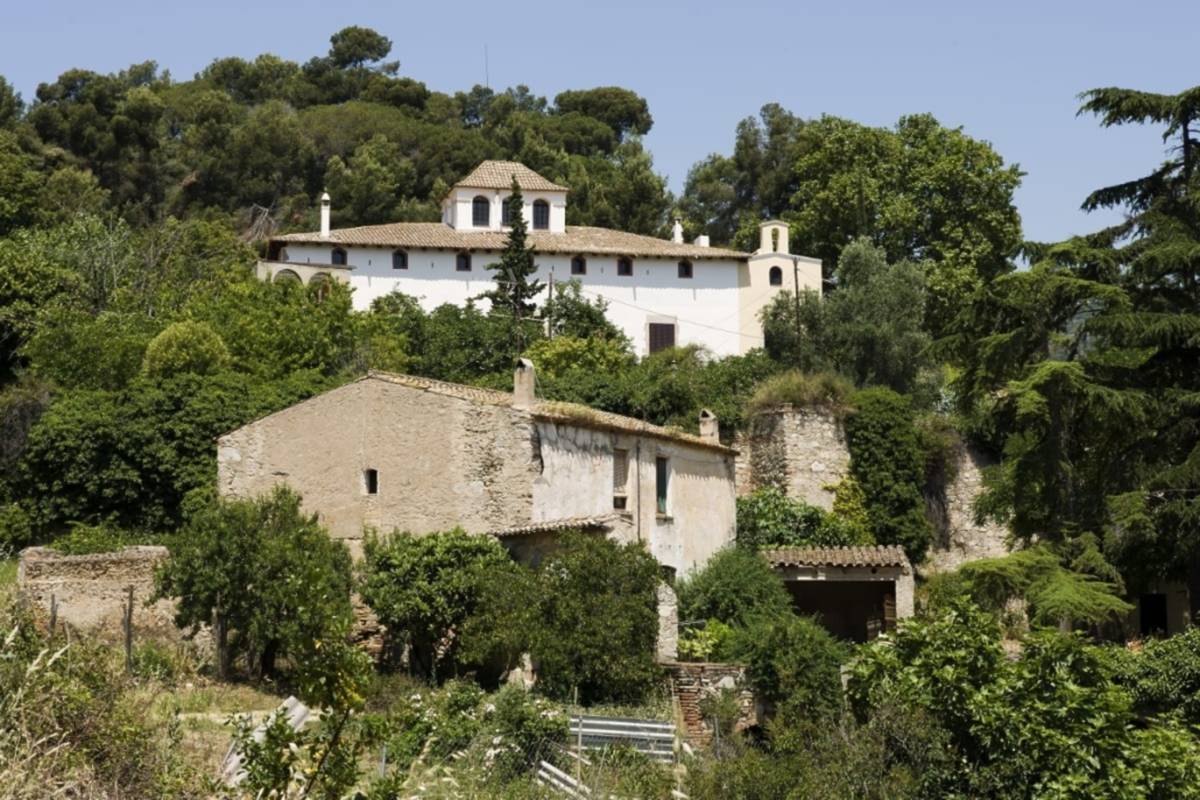
Documented since the 11th century and deeply reformed in the 17th and 18th centuries, this stately farmhouse preserves the classical structure. Today it houses the Escola de Natura, keeping alive the legacy of the Catalan countryside.
📌 Pomar de Dalt Street, 16, 08916 Badalona
La Bodega de Can Bruguera (Vilassar de Dalt).
This historic building dates from the 17th-18th centuries and is made up of different spaces with impressive brick partitioned vaults and screw arches, a remarkable example of Catalan rural residential architecture.
📌 Carrer Ignasi Iglesias s/n, 08339 Vilassar de Dalt
Les Mont-Rogenques (Barcelona)
In the Farró neighborhood, these two houses of rural origin from the 19th century, with modernist extensions, were renovated in 2021. They stand out for the recovery of historical elements, such as hydraulic mosaics, which evoke the tranquility of the old summer resort areas.
📌 Carrer de Mont-roig, 7, 08006 Barcelona
Torre Pallaresa (Santa Coloma de Gramenet)
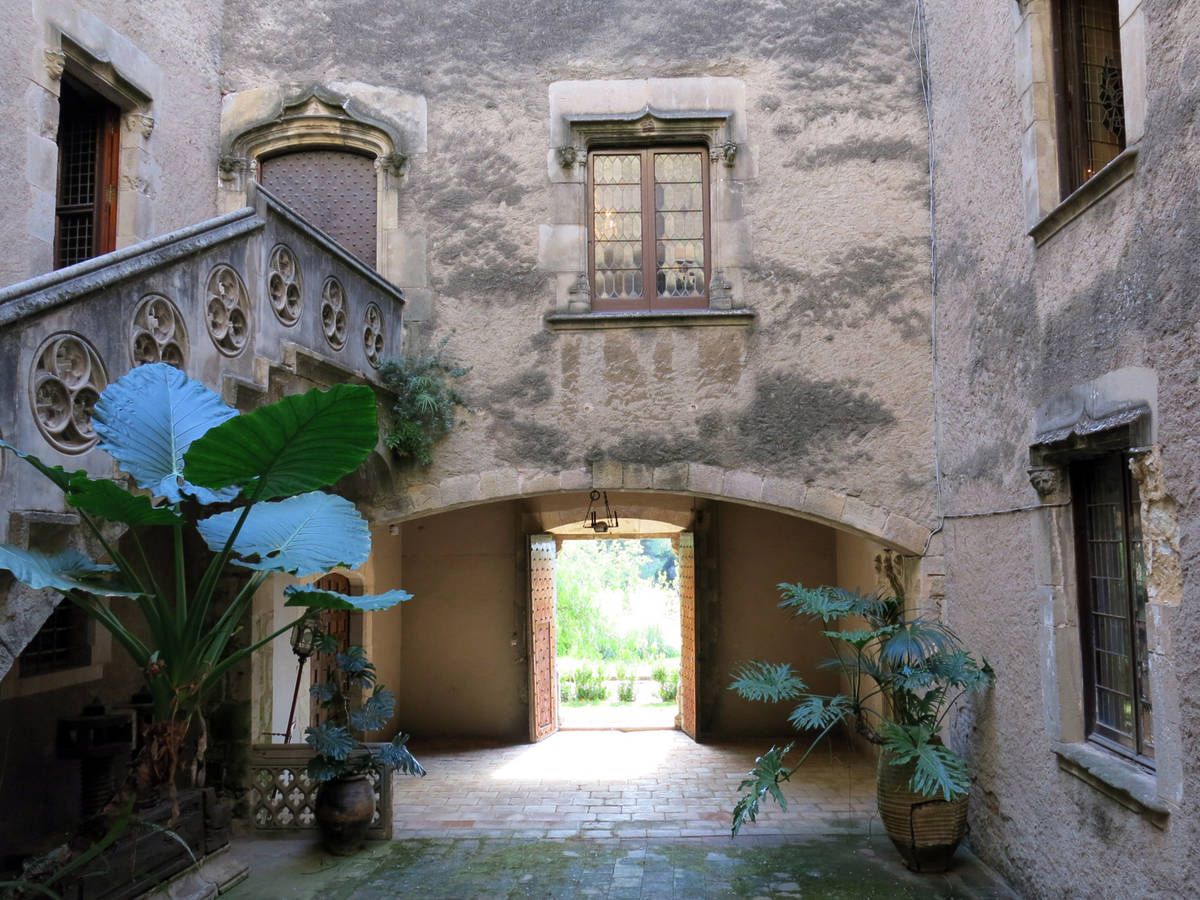
Considered one of the Gothic jewels of Catalonia, this majestic fortified farmhouse is a spectacular example of Catalan civil Gothic with Renaissance influences, characterized by its imposing tower and arched courtyard.
📌 Av. de la Pallaresa, 180, 08924 Santa Coloma de Gramenet
Palau del Marquès d’Alfarràs (Barcelona).
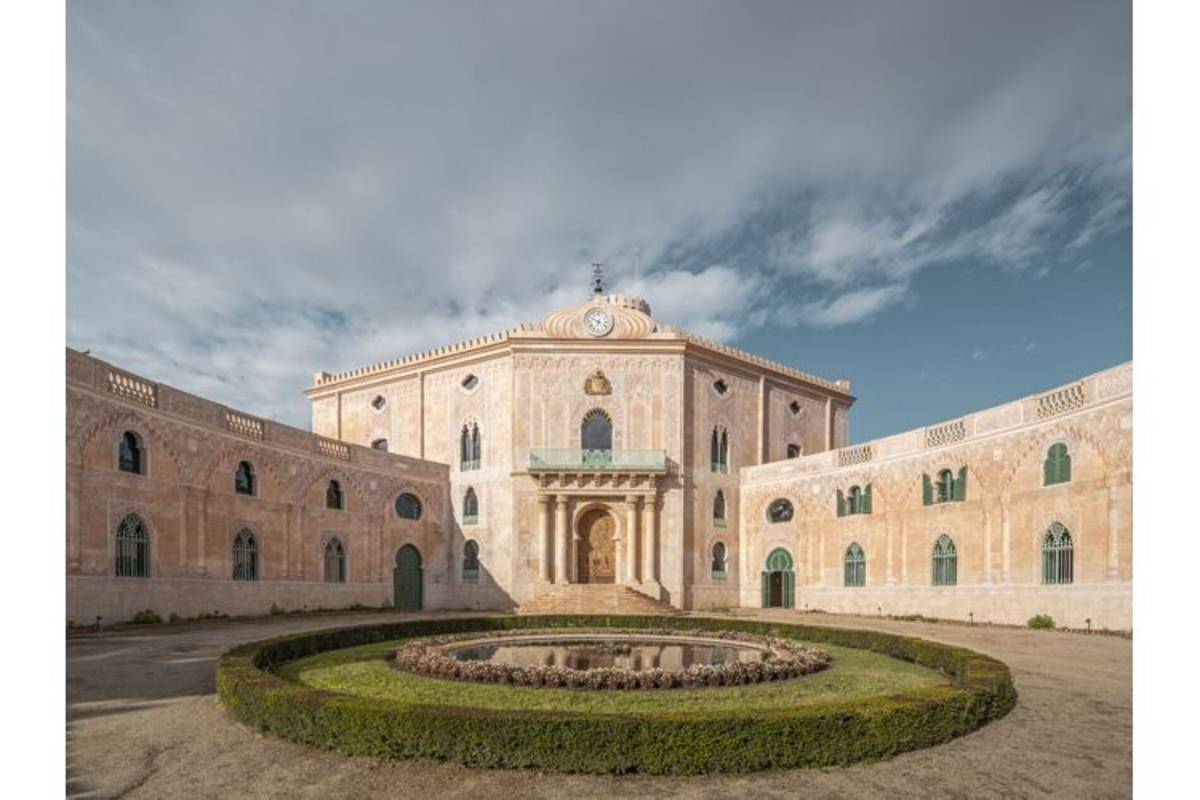
Located in the Horta-Guinardó district, this palace is the central element of the impressive Horta Labyrinth Gardens. It represents the aristocratic luxury of the 18th century and is surrounded by one of the most beautiful and unknown historical gardens of the city.
📌 Passeig dels Castanyers, 1, 08035 Barcelona
Unknown modernist jewels
Monestir de Santa Maria de Valldonzella (Barcelona).
In the district of Sarrià-Sant Gervasi, this imposing neo-Gothic building is the headquarters of the Cistercian community. Its brick walls and serene atmosphere make it one of the most discreet religious and architectural jewels of the upper area of the city.
📌 Carrer del Cister, 41-45, 08022 Barcelona
Cubíñá (Thomas House) (Barcelona)
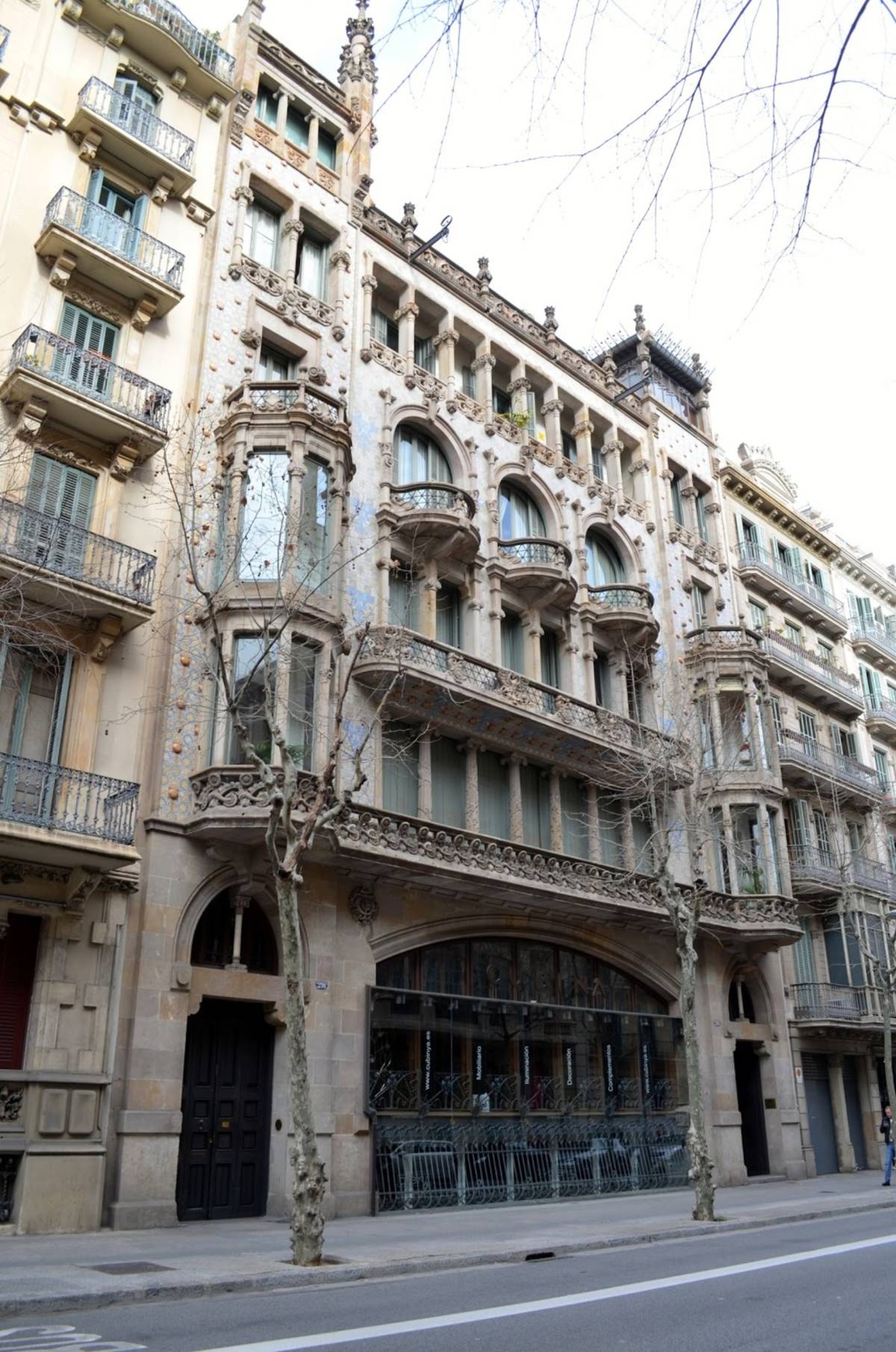
Key work of Catalan modernism. The Thomas House, designed by Lluís Domènech i Montaner and enlarged by Francesc Guàrdia i Vial, stands out for its rich ornamentation, floral balconies and the striking tribune on the facade.
📌 Carrer de Mallorca, 291-293, 08037 Barcelona
Palau Macaya (Barcelona)
Another fundamental work of modernism, designed by Josep Puig i Cadafalch. It is distinguished by its neo-Gothic-inspired white facade and the impressive interior courtyard, which combines traditional craftsmanship with modernist elements.
📌 Passeig de Sant Joan, 108, 08037 Barcelona
Antiga tinènça d’alcaldia d’Hostafrancs (Seu districte Sants-Montjuïc) (Barcelona).
This building, which was the former mayor’s office, is an outstanding example of early 20th century historicist public architecture, with a solemn façade and a clock tower that dominates the Hostafrancs landscape.
📌 Carrer de la Creu Coberta, 104, 08014 Barcelona
Secret crypts and military shelters
Tower and Crypt of the Convent dels Àngels (Barcelona)
In the middle of Plaça dels Àngels, the original crypt from the 16th century surprises for its unique and modern aesthetics. After a restoration, its interior presents a striking pinkish color, creating an unusual space with a ‘pop’ air under the old convent.
📌 Plaça dels Àngels, 5, 08001 Barcelona
Lluís Companys Refuge and Casa Gallart (Barcelona)
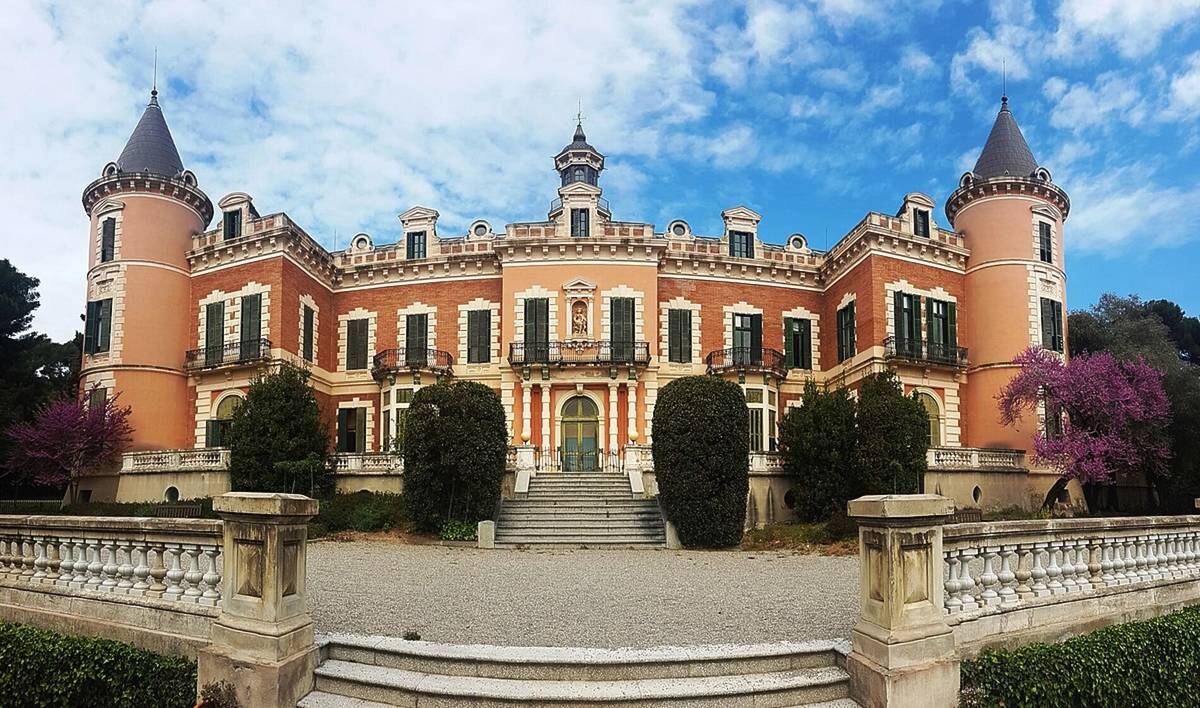
Casa Gallart is a majestic palatial building within the grounds of the Palau de les Heures. The real secret lies underground: the Refugi Lluís Companys, a subway bunker used as a bomb shelter during the Civil War.
📌 Carrer d’Hipàtia d’Alexandria, s/n (Campus Mundet), 08035 Barcelona
Sansalvador Estate (Barcelona).
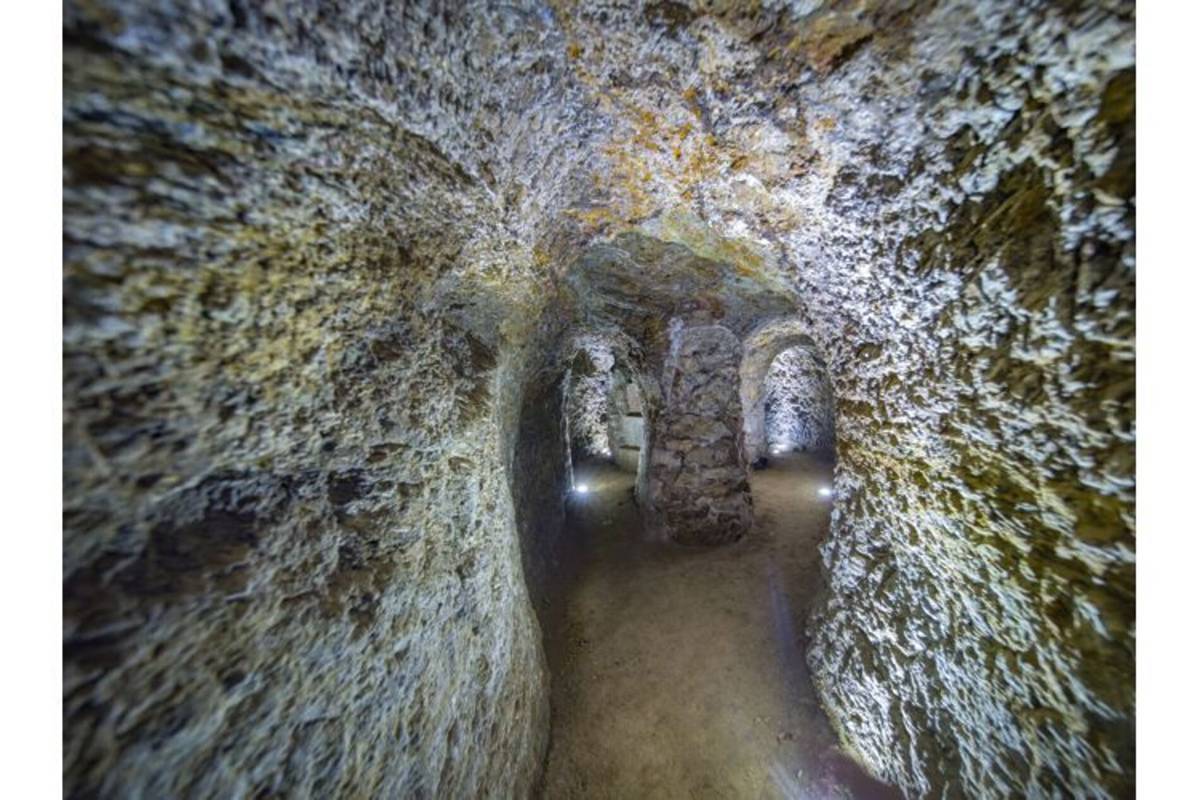
This estate, linked to the Hospital de Sant Pau, features neo-Romanesque-style architecture and, most intriguingly, houses a subway tunnel or gallery that refers to the property’s shelters or old connections.
📌 Carrer de les Camelies, 2-10, 08024 Barcelona
Edifici Media-TIC (Barcelona)
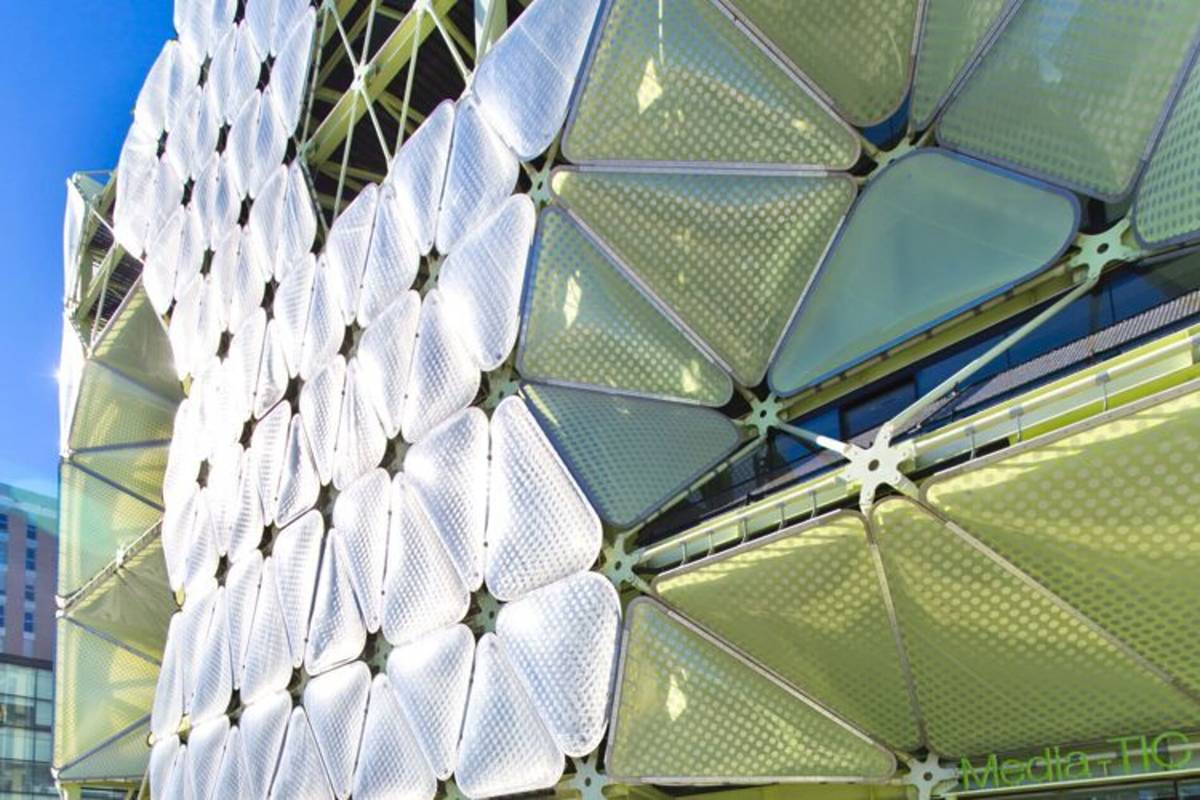
Located in the 22@ district, the Edifici Media-TIC is one of the best examples of sustainable architecture and innovation. Its ETFE pneumatic cushion facade regulates temperature and makes it a visual and technological landmark.
📌 Carrer de Roc Boronat, 117, 08018 Barcelona
LCI Barcelona (Barcelona)
The School of Design and Visual Arts stands out for its modern design building in 22@, with a structured facade that is an example of functional and contemporary educational architecture.
📌 Carrer Àlaba, 124, 08018 Barcelona
You may be interested in: 48h Open House Barcelona 2024: the buildings that need to be booked.