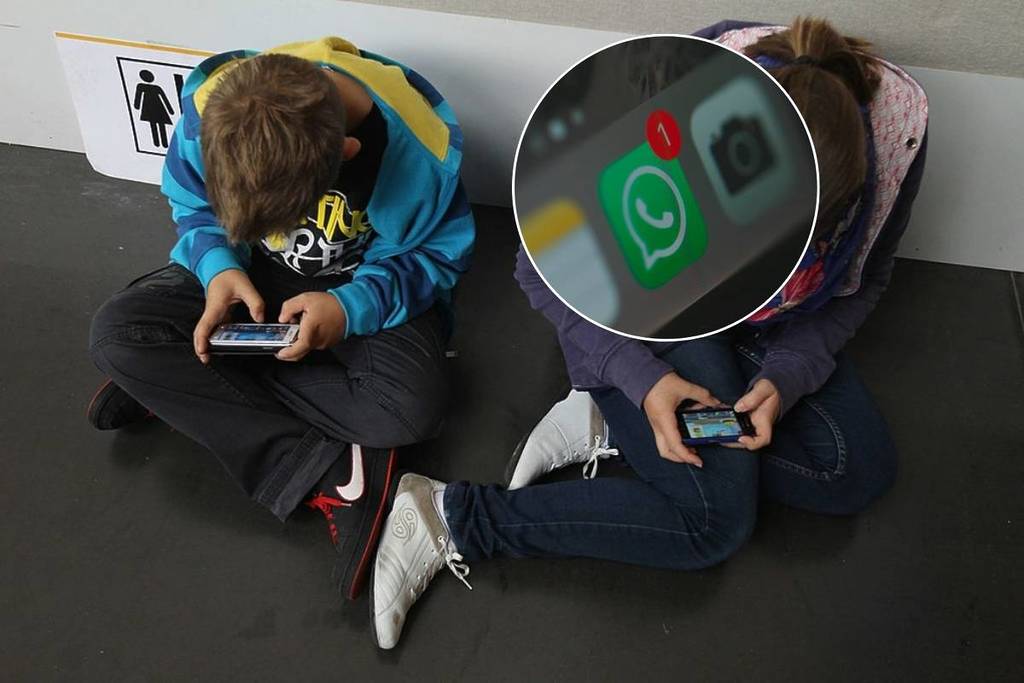
The time is up for social media as we know it, at least for the youngest members of the household. The central government has decided to take a stand by announcing a measure that promises to change the rules of the game: banning access to social media for children under 16.
During his speech at the World Government Summit in Dubai, President Pedro Sánchez was emphatic in describing these platforms as a “failed state” where misinformation and hatred run rampant. This is not just a declaration of intent, but a legislative package that will be approved imminently to force giants such as Instagram, TikTok, and the controversial Grok to implement age verification systems that are, at last, effective.
The end of impunity in the virtual world
The measure does not come alone. The executive branch seeks to attack the root of the problem by directly targeting those who pull the strings. From now on , platform executives could be legally liable for violations committed on their domains if they do not remove illegal content. This is an important shift: algorithmic freedom will no longer be an excuse for allowing harassment or manipulation.
In this new roadmap, the manipulation of algorithms and the amplification of hate messages will be classified as crimes. To ensure that this does not remain a dead letter, a tracking system will be created to identify the “footprint of hate” and highlight which social networks are fueling the polarization of our society.
Following in the footsteps of our neighbors
Spain is not alone in this battle. With this decision, the country is joining the European trend that began in France, where the regulation of digital “parental consent” has already generated intense debate. In addition, we are joining the Digital Willing Coalition alongside five other European countries. The goal is clear: to create a common front so that regulation is swift and, above all, global, preventing platforms from finding legal loopholes to circumvent the rules.
This legal offensive will also focus on protecting the mental health of minors. Various studies by the Spanish Data Protection Agency and pediatric health organizations have long warned about the effects of the addictive design of these applications on brains that are still developing. By raising the barrier to 16 years of age, the aim is to return public space and leisure time to a reality that is less filtered by algorithms and more connected to the tangible world.