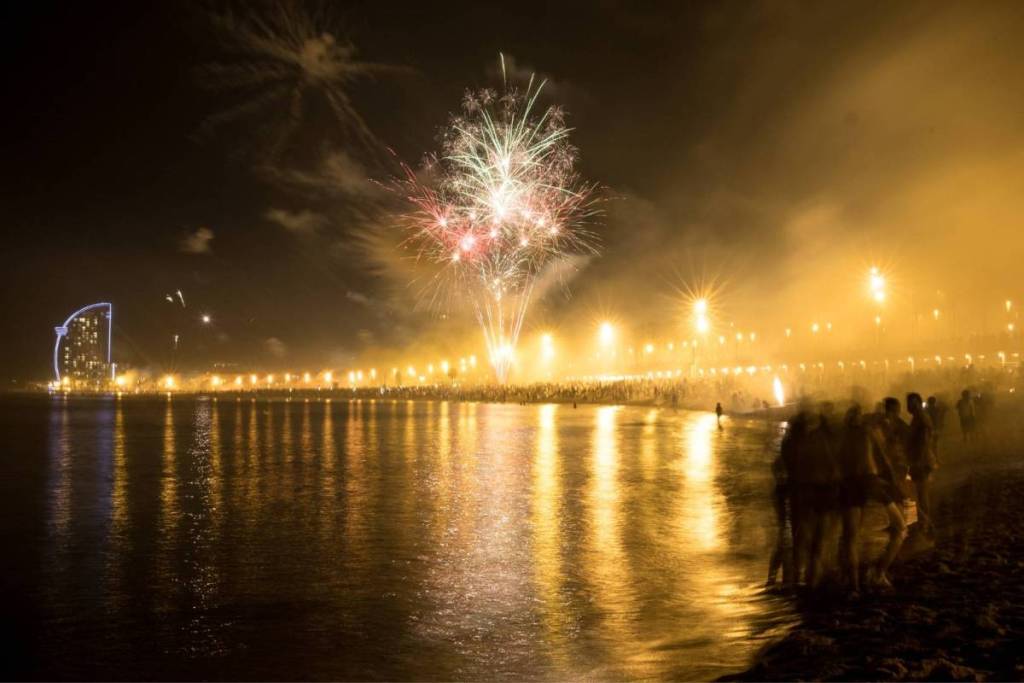

On the night of June 23–24, Barcelona will activate one of its most extensive municipal operations of the year for the Sant Joan festival.
The City Council has coordinated security, sanitation, transportation, and healthcare services, with a focus on the beaches and areas with the highest concentration of people throughout the city.
Metro: 43 continuous hours and up to 18 extra trains
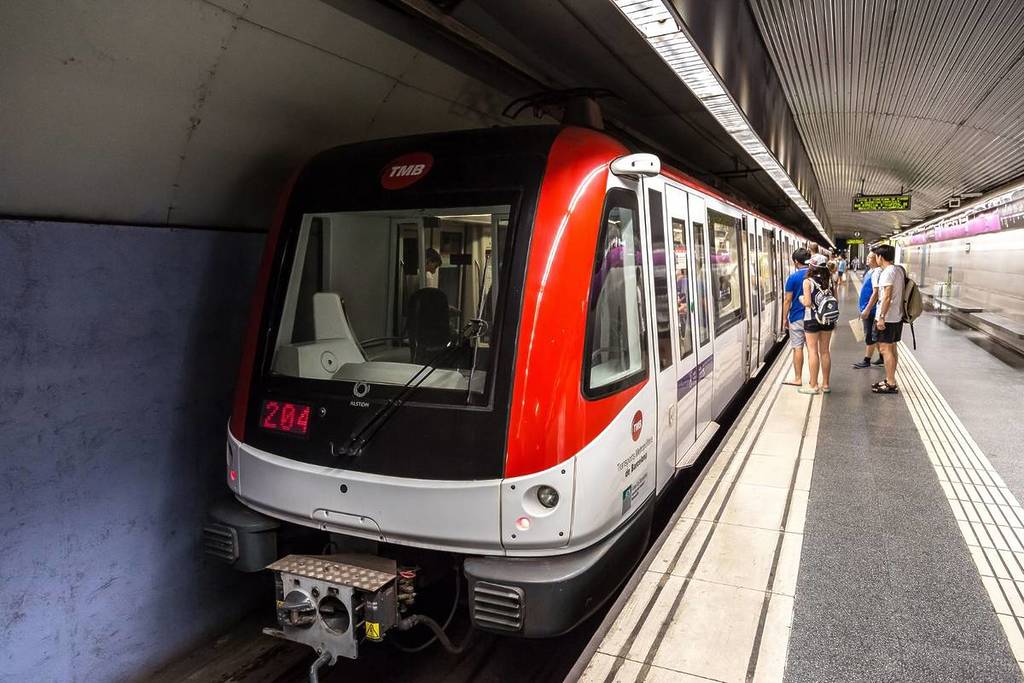
Transports Metropolitans de Barcelona (TMB) will operate the metro nonstop for 43 hours, from 5:00 a.m. on Tuesday, June 23, until 12:00 a.m. on Wednesday, June 24.
During peak nighttime hours—specifically between 2:00 a.m. and 5:00 a.m.—there will be up to 18 additional trains compared to the usual schedule, and up to 14 extra trains during the late-night hours.
The increased service will be particularly noticeable on Line 4, which provides direct service to the waterfront. The stations at Barceloneta, Ciutadella | Vila Olímpica, Bogatell, and Llacuna will have additional customer service, cleaning, and security staff.
Beaches: 24-hour response system with ambulances and cameras
The beaches will remain open all night. Information teams will be on duty nonstop until 3:00 a.m. on the 24th, with 12 staff members patrolling the city’s nine beaches from a base at the Bogatell breakwater. Public address announcements will be stepped up starting at 6:00 a.m., at which time the beaches must be cleared to begin cleanup.
The medical response plan will include three ambulances staffed by paramedics and nurses, as well as three first-aid stations on the beaches of Barceloneta, Bogatell, and Mar Bella. The Fire Department will also extend the operating hours of the Water Rescue Group’s boat in the coastal area.
In terms of infrastructure, 298 portable restrooms will be installed in beach areas: 145 standard stalls, 62 open-air urinals, 46 women’s stalls, and 45 stalls adapted for people with reduced mobility.
The video surveillance cameras along the waterfront in Ciutat Vella and Sant Martí—from Plaça del Mar to Carrer Trelawny—will be operational throughout the night.
“Puntos Lila” and Safe Routes Against Sexual Violence
The plan incorporates an explicit gender perspective. The daytime Lila help point at the Bogatell breakwater will be open from 11:00 a.m. to 11:00 p.m. Starting at 11:00 p.m., two nighttime “Lila” centers will begin operating—one on the Somorrostro beach promenade and one on the Bogatell beach promenade—each staffed by a team of seven professionals, and they will remain open until 6:00 a.m.
These two nighttime spots along the waterfront have been open since this weekend (June 19) and will remain open until September 23 on Friday and Saturday nights and the evenings before public holidays, from 11:00 p.m. to 6:00 a.m.
The City Police have also mapped out safe routes to the public transportation stops closest to the events, with patrols paying special attention to dark or sparsely populated areas.
Cleaning: 532 additional staff members and 223 additional vehicles
On the afternoon of June 23, 2,515 cardboard trash cans will be set up on the beaches—2,435 for recyclables and 80 for non-recyclable waste—along with 141 additional trash cans in nearby parks and promenades, and 99 extra trash containers for beach bars.
The beach cleanup operation will begin at 6:30 a.m. on the 24th, coordinated with the City Police, the Mossos d’Esquadra, and the Port Police, with 350 people and 135 vehicles deployed across the nine beaches, including six tractors for sifting the sand.
In the rest of the city, 142 people and 61 vehicles will be responsible for cleaning up the remains of bonfires and street festivals in all districts. In total, the cleanup operation for the night of the 23rd and the morning of the 24th will include 532 people and 223 additional vehicles on top of the regular holiday service, bringing the total to more than 1,000 workers and 500 vehicles in simultaneous service.
The beaches are expected to reopen to swimmers in stages between 9:00 a.m. and 10:00 a.m. on the 24th, once cleanup is complete.
Security: City Police, Fire Department, and drones
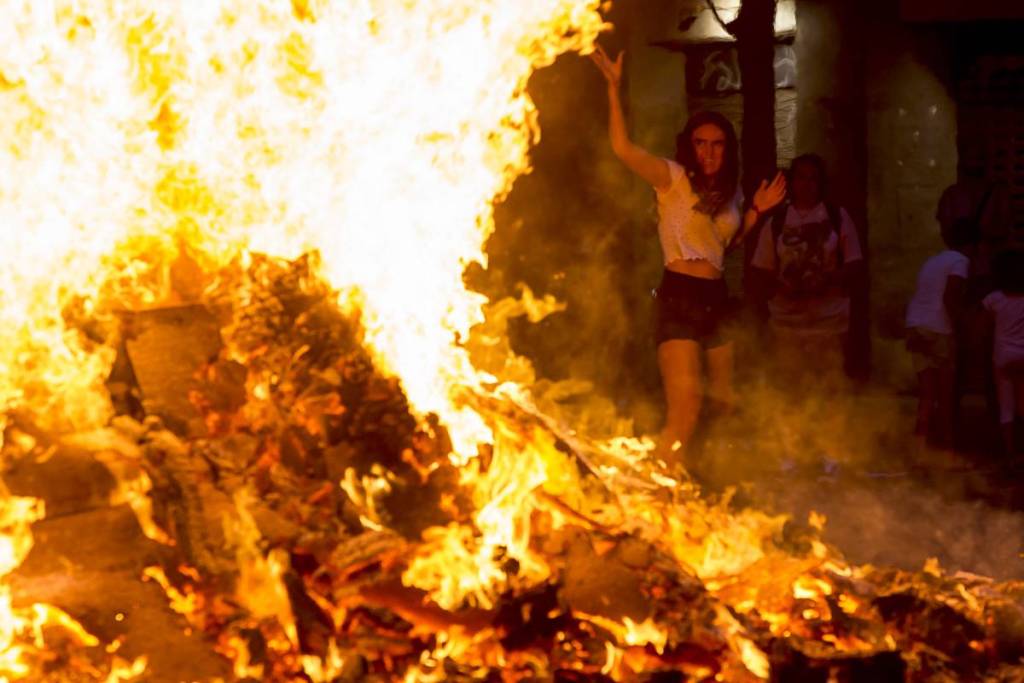
The City Police will deploy officers in all districts, paying special attention to areas where combustible materials—such as firewood or wood that could be used in unauthorized bonfires—may accumulate, as well as to the forested areas of Collserola Park, particularly in the districts of Sarrià-Sant Gervasi, Horta-Guinardó, and Nou Barris. Preventive checks for drunk driving and drug use will also be stepped up throughout the city.
The Barcelona Fire Department will reinforce its firefighting capacity and maintain special surveillance in forested areas well into the early hours of the morning. Municipal regulations prohibit lighting fires within 500 meters of forested areas such as Collserola or Montjuïc. This year, 99 sales points for firecrackers and fireworks have been authorized, all of which have been inspected in advance by the Fire Department and the City Police.
Municipal regulations distinguish three types of bonfires based on their fuel load: large bonfires (no fuel limit), small bonfires (up to 250 kg of wood), and brazier bonfires (up to 25 kg of wood). Only large bonfires require a specific report from the Fire Department.
Both the Fire Department and the City Police will be able to use drones overnight to capture aerial imagery for emergency prevention and management.