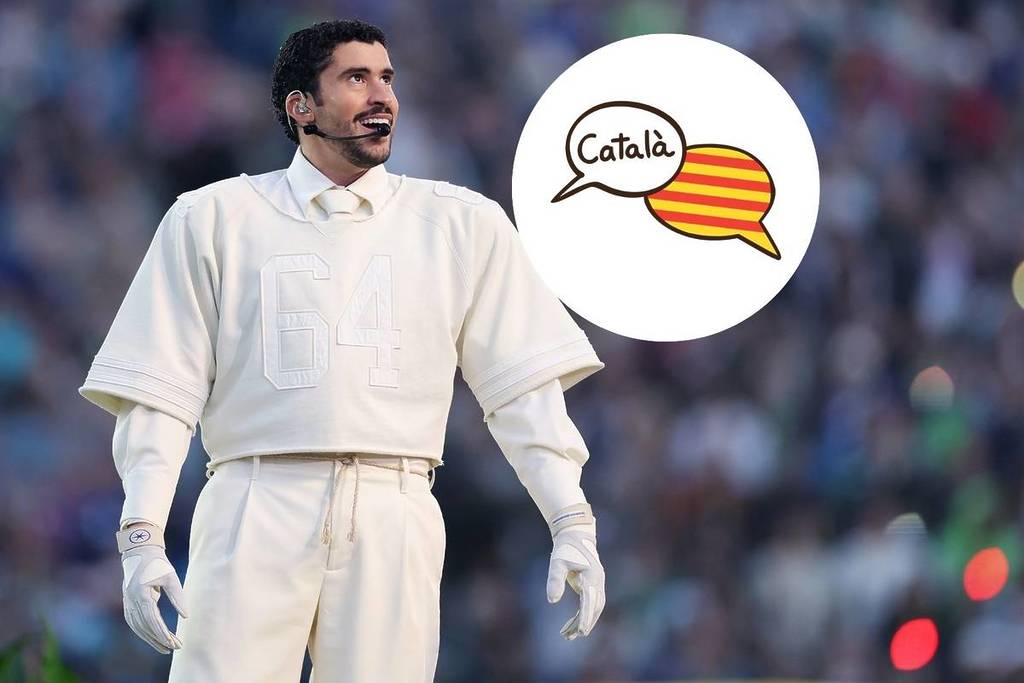
Now that Bad Bunny has turned the Puerto Rican flag into a global icon. Now that the “Bad Bunny” is using the Super Bowl stage to celebrate Latin culture and shake off systemic racism. Now that people in Barcelona’s nightclubs dance with the same intensity with which they sing along to Los Tyets, it’s the perfect time to revisit a chapter of our history that seems like fiction: there was a time, not so long ago, when you could cross the pond, ask for bread in Catalan in a Caribbean square, and get a perfectly natural response.
This is not an urban legend or a bar anecdote. Puerto Rico and Catalonia share a linguistic and social umbilical cord that survived thousands of miles and, even today, explains who rules the island and why some of its corners seem strangely familiar to us.
The “linguistic island” of the Indianos: from Mayagüez to Barceloneta
The story begins in the 19th century. While Barcelona was tearing down its walls to grow, thousands of Catalans and Mallorcans set sail for Puerto Rico to exploit it, building empires based on sugar, coffee, and shipping. But unlike other migrants who blended into their new destination, the Catalans formed a compact social structure and, above all, a very vocal one in terms of language.
In cities such as Ponce and Mayagüez (where there was even a “Catalan neighborhood” proper), the language of the street was not only Spanish with a Caribbean accent. Catalan was the language of business and trust. The mark they left was so profound that in 1881, an industrialist named Bonós Llensa officially founded the municipality of Barceloneta. Yes, a small replica of our seafront on the shores of the Atlantic, which was created to provide shelter for the workers on the plantations in the area.
Telephone bans and powerful surnames
The most curious thing about this cultural resistance is that Catalan in Puerto Rico survived even the pressures of the metropolis. At the end of the 19th century, there was even an official ban on speaking Catalan on the phone on the island, under the pretext that government operators could not monitor conversations if they did not understand what was being said. Even so, the community turned a deaf ear and kept the language alive for three consecutive generations.
This hegemony was not only romantic, it was economic. Families such as the Rossellós, the Serras, the Barcelós, and the Defillós formed an oligarchy that has dominated Puerto Rican politics to this day. If we do the math, of the thirteen governors the island has had since it began electing them democratically in 1948, seven of them have direct Catalan roots. From Pedro Rosselló to Sila Calderón Serra (whose family came from Alaró), the DNA of the Generalitat seems to have been replicated in the Palacio de Santa Catalina in San Juan.
The cello that links Mayagüez with El Vendrell
Even the cultural myths we feel most connected to have a foothold in Puerto Rico. Few people remember that Pilar Defilló, Pau Casals’ mother, was born in Mayagüez. It was this vital connection that led the maestro, years later, to go into exile and settle on the island, creating a musical bridge that forever linked the cellos of El Vendrell with the breeze of the Antilles.
Today, although Catalan is no longer heard in the shops of Aguadilla, its traces remain: in the architecture of the old sugar mills, in the surnames of today’s leaders and, let’s dream , in a future and unlikely song by Bad Bunny (or as we call him, the “conill dolent”).
You may be interested in: Bad Bunny concert in Barcelona: date confirmed and tickets on sale now.