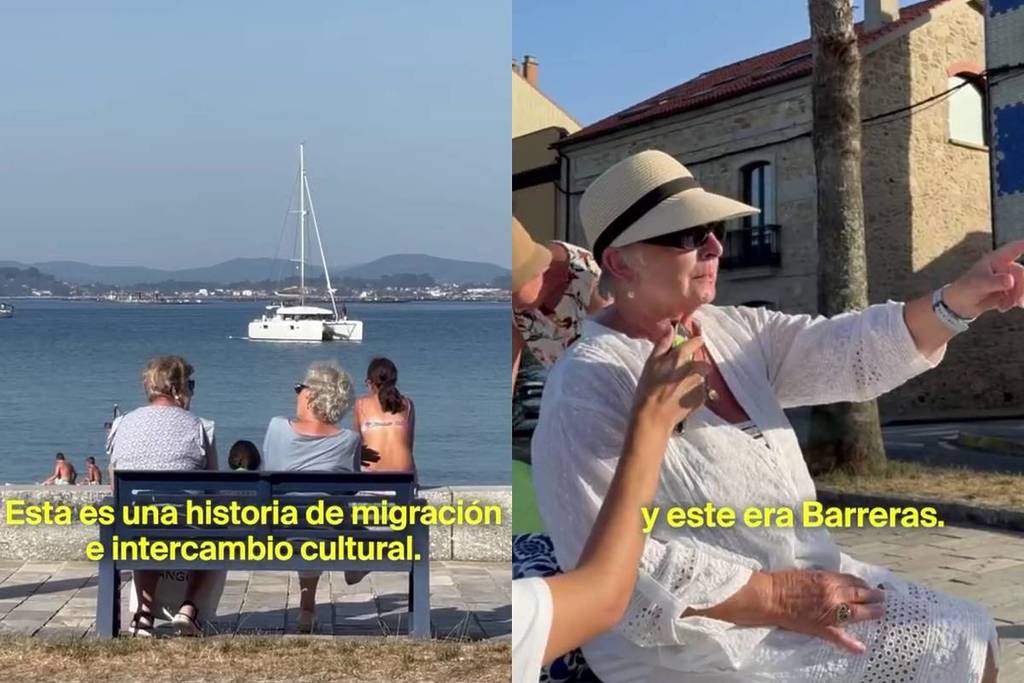
1,143 kilometers at the same latitude separate Barcelona and A Pobra do Caramiñal and, nevertheless, both towns are closer than the orography allows them to be. 200 years ago, the more than 1,100 kilometers were not an impediment for thousands of Catalans to emigrate to this area of Galicia located in the province of A Coruña, in the region of Barbanza in search of work.
Between the 18th and 19th centuries, thousands of Catalans emigrated to the Galician coast and here they created factories that completely transformed the economy of many fishing villages, mainly promoting and modernizing the canning industry.
The Catalan history of A Pobra do Caramiñal
From this fusion of towns, techniques such as the pressing of sardines have survived to the present day; a way of preserving this fish for longer thanks to the loss of fat, which made it drier and improved its preservation.
The ships that arrived to port were unloaded by Galicians and Catalans who settled in places close to the sea. In Pobra do Caramiñal, today there are areas that are known as the Paseo de los Catalanes, although officially it is the beach of Osareos or Paseo de Osareos, formerly also known as Paseo Marlès in the also called Barrio de los Catalanes.
The houses also have their own names, such as those of Ramiro Villot; or of the Barreras family, or the Ferrer family, who came from areas such as Blanes or Lloret de Mar.
With the economic development of Spain and industry in Catalonia, many traveled back the more than 1,000 kilometers between the two provinces. In A Pobra you can still read Catalan names and surnames in the cemetery such as Santeló, Jalpí, Martí, Jalabert, Villot, Ferrer, Soler….
“My grandfather was Ramón Nin Llíria. He came here, married here, and my family is called “Los de Ramonín”, although his name was Ramón Nin”, explains a local resident.
A story of comings and goings, where the thousands of kilometers were nothing more than a bridge that united two cultures closely linked to the sea.