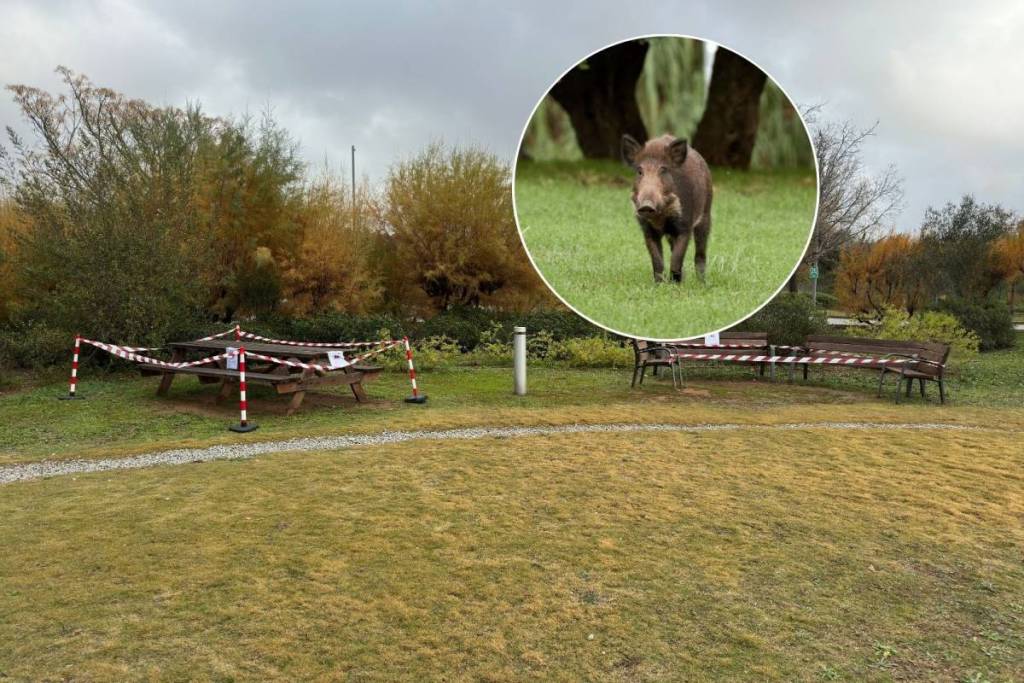

The Barcelona City Council has announced that Collserola Natural Park will not reopen its access points during the months of July and August. This decision is a direct response to the spread of African swine fever (ASF), after regional authorities confirmed two new cases in wild boars, bringing the total number of detected cases in the area to 332.
The restrictive measures, coordinated by the Catalan government in accordance with World Health Organization (WHO) guidelines, aim to minimize traffic on forest trails in order to monitor and contain local wildlife. Despite the inconvenience caused to regular park visitors, local authorities note that the closure will significantly help mitigate the risk of wildfires ahead of the upcoming hot season.
Impact on local recreation and background
The closure of the forest area prevents its usual use for walking pets, exercising, or using the picnic areas—common activities for residents of the Catalan capital. This restriction comes on top of the modification made on May 7 to the Tour de France route, which altered its second stage to prevent the public from gathering along the slopes of the Collserola mountain range.
The lack of visitors is emerging as a key factor in reducing forest fires during the hottest months. According to data from the Civil Protection, Prevention, Firefighting, and Rescue Service, people are responsible for the vast majority of fires in natural areas.
To prepare for the summer season, the fire department is introducing innovative technological tools this year and bolstering its mobile resources:
- Use of drones: They are being introduced for the first time to support tactical operations, increasing the safety and effectiveness of the teams.
- Vehicle fleet: Five units were added last year (four pickup-style SUVs and one life-support ambulance adapted for forest environments).
- New equipment: Opening of a seasonal fire station in Vallvidrera, operational from May 16 to September 12, to reduce response times.
Coordinated surveillance and drills in the districts.
Control of access to Collserola and monitoring of compliance with regulations will be carried out by a joint deployment of the Bombers, the Mossos d’Exquadra, and the Agents Rurals. Prevention efforts have been intensified since April in key districts such as Les Corts, Sarrià-Sant Gervasi, Horta-Guinardó, Nou Barris, and Gràcia.
As part of these preparations, a fire simulation exercise is being conducted in the Torre Baró neighborhood with the collaboration of eight public agencies, including the City Police, the SEM, and the Collserola Park Consortium, to coordinate emergency response efforts.
Finally, the city council reminded residents that the ban on barbecuing, burning waste, or performing forestry work that generates sparks within 500 meters of wooded areas remains in effect until October 15.