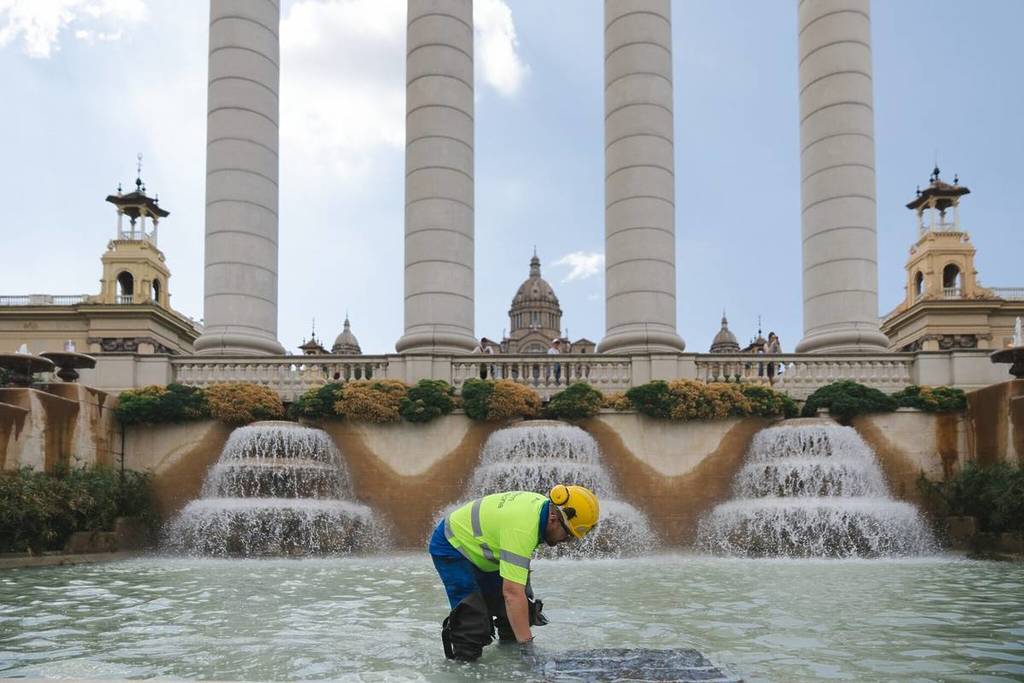
Few fountains are more iconic than the Magic Fountain, symbol of the 1992 Olympic Games in Barcelona and one of the city’s most sought-after monuments. Few more evident symbols of a crisis in the city, then, than its almost three-year shutdown, in which the fountain has stopped working first because of drought and then because of a rehabilitation.
But now, finally, the Magic Fountain will return to Barcelona to coincide with the Festes de la Mercè 2025, when Barcelona’s great fountain will once again shoot water and lights into the sky to celebrate with the people of Barcelona.
When the Magic Fountain will be back
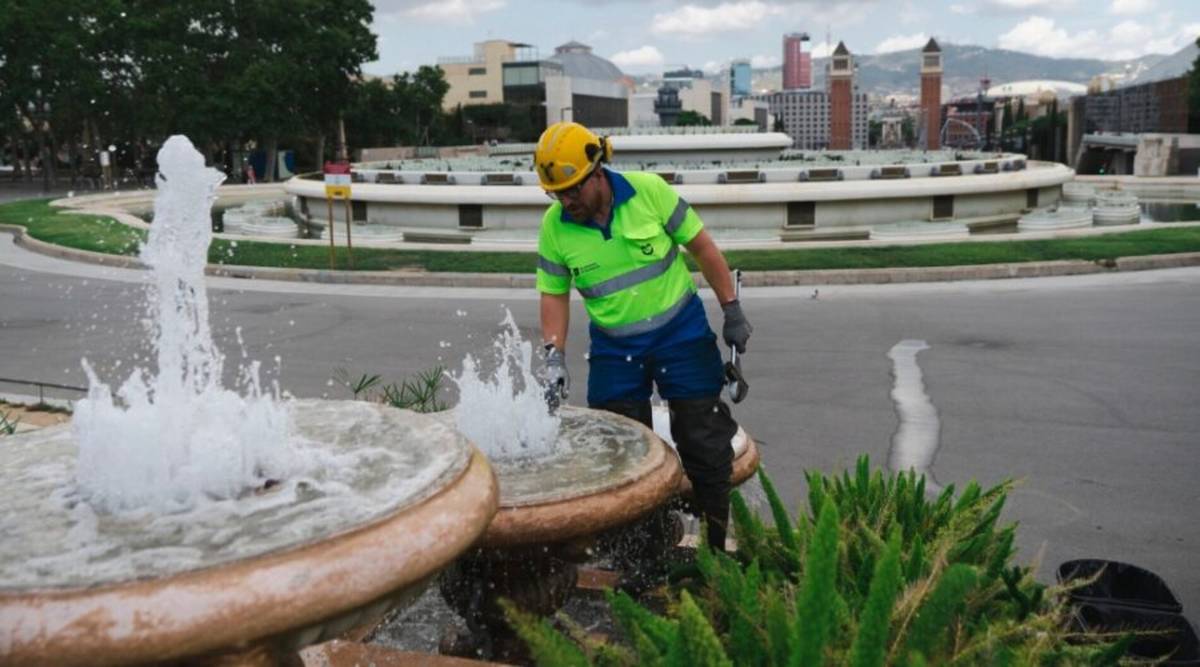
The return of the fountain will be on Wednesday, September 24, coinciding with the Day of La Mercè. On that day, water will gush from the fountain for the first time since November 2022.
However, the first show that will combine water, light and sound will be the traditional Piromusical de La Mercè, on Sunday, September 28 at 22:00 hours.
From October 2, the shows will return to their usual schedule: from Thursday to Saturday, from 21:00 to 22:00 hours in October, and from 20:00 to 21:00 hours in November and December. During October, new musical choreographies will combine rock, jazz, classical music, rumba, soundtracks and much more. At Christmas, the shows will be filled with dancing waters with Christmas carols, creating a festive and family atmosphere.
What has been rehabilitated in the fountain
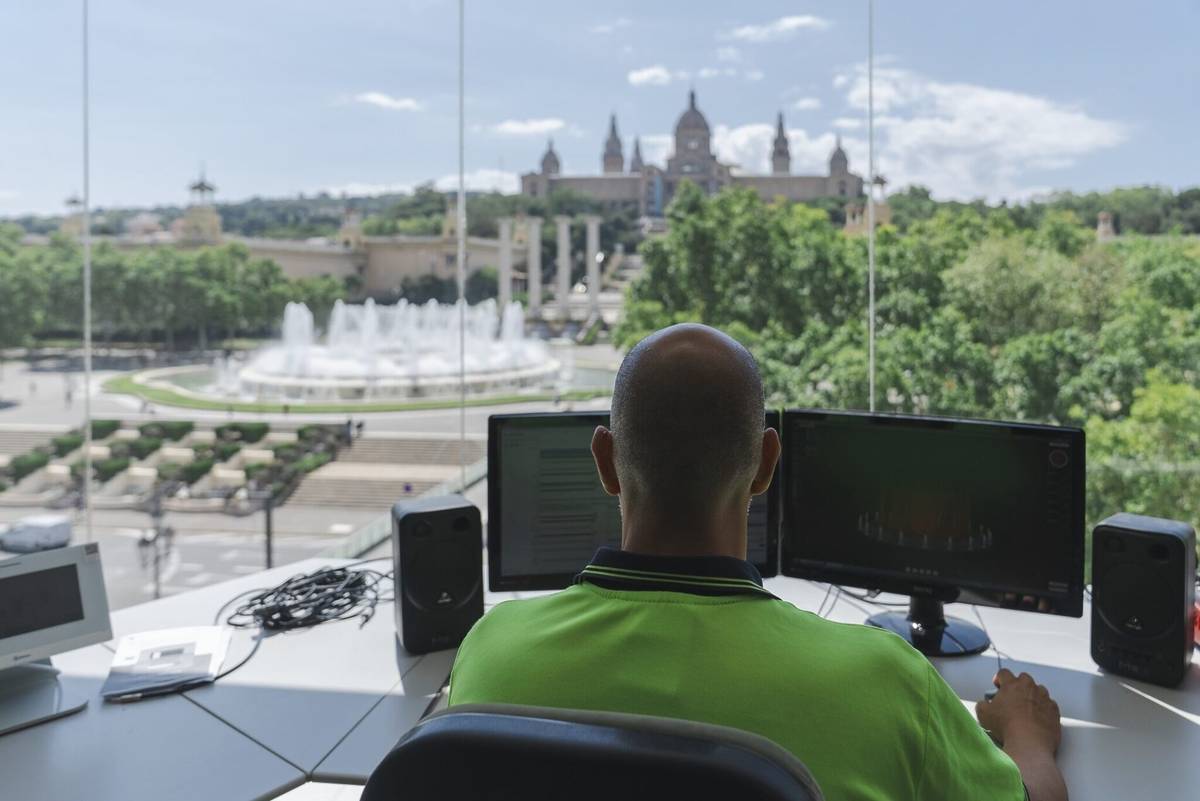
The works have renewed the remote control system, with more advanced technology that provides flexibility and reliability, and replaced the 4,760 white light bulbs with 680 LEDs, maintaining the same lighting but reducing the power from 1,507 kW to 72 kW, making the fountain more sustainable. Also, 380 submerged LED lights with new brackets have been installed.
During July, August and the first days of September, the operation tests were carried out: filling of the vessel, revision of circuits, valves and hydraulic components, as well as sound, water and light tests. The last major update of the control system was in the 1990s, so this intervention is the most significant in three decades, maintaining the historical conditions of the original project by Carles Buïgas for the 1929 International Exposition.