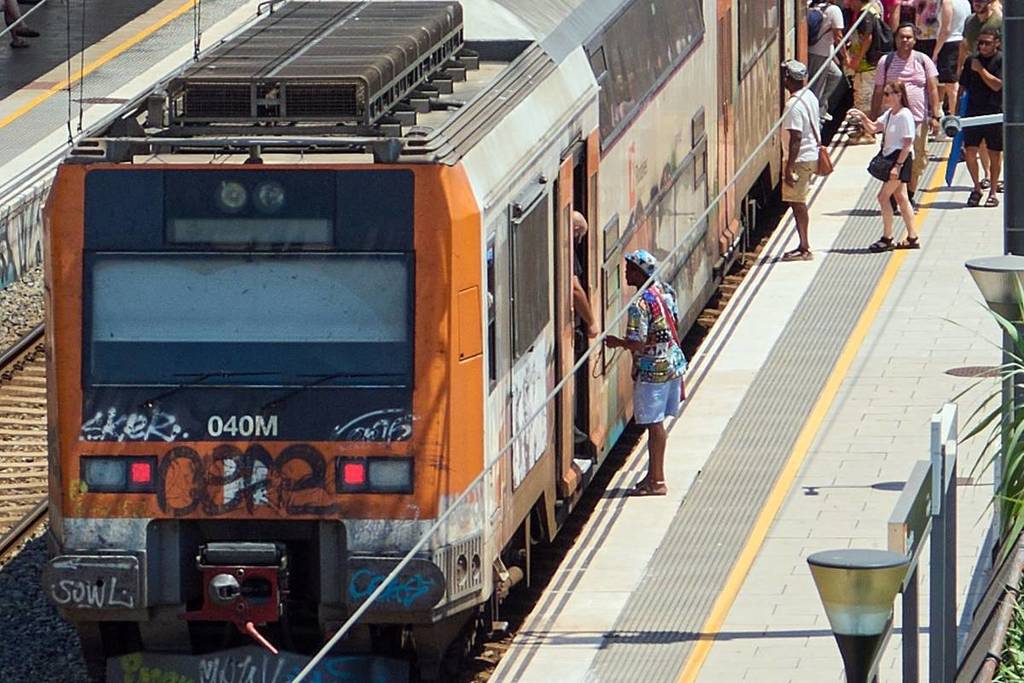

Starting next Monday, March 16, users of the railway corridor between Barcelona and southern Catalonia will have fewer trains and will have to transfer to buses on some sections.
On that day, Adif will begin maintenance work on the Garraf tunnel, as well as work on two viaducts and an underpass on the same section, which will mean a reduction in frequency on the R2 South line for Rodalies and the replacement of one section by bus.
The work, which aims to preserve the infrastructure from the impact of the sea, is expected to last three months.
The Generalitat de Catalunya, Adif, and Renfe have presented the Alternative Transport Plan (PAT) that will be in force during this period and which will involve completing some journeys by bus with mandatory transfers from El Prat.
Fewer trains on the R2 South line
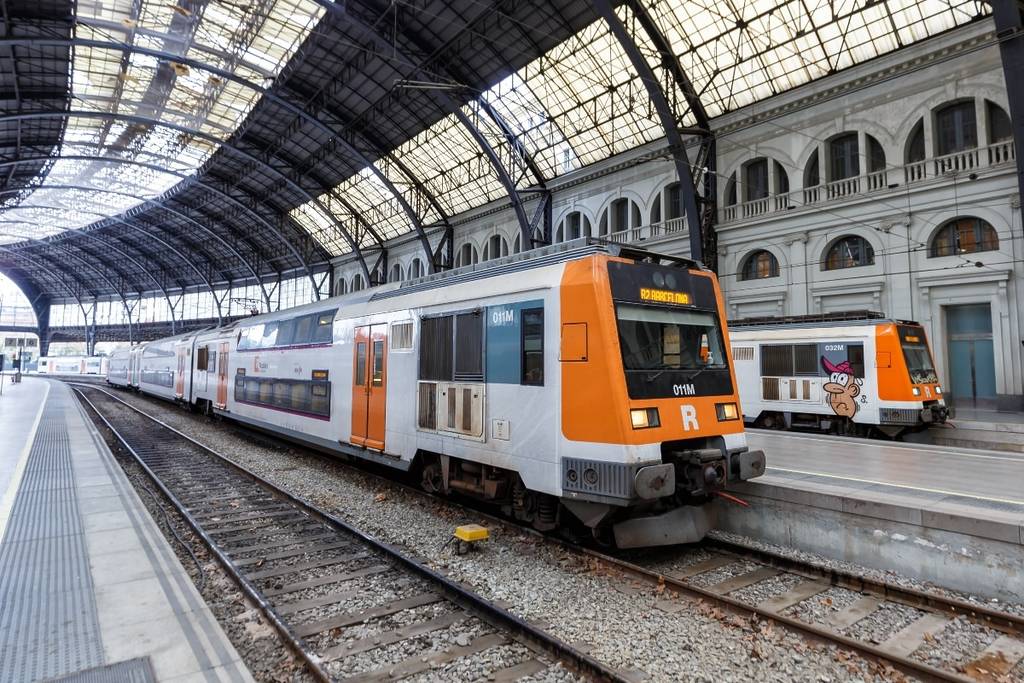
The need to run on a single track between Sitges and Garraf will force a reduction in the number of trains per hour depending on the destination. Users traveling to El Prat will hardly notice the change—there will still be eight trains per hour in each direction—but the further south the destination, the greater the impact:
- Barcelona – El Prat de Llobregat: 8 trains per hour in each direction
- Barcelona – Castelldefels: 6 trains per hour in each direction
- Barcelona – Garraf: 4 trains per hour in each direction
- Barcelona – Sant Vicenç de Calders: 2 trains per hour in each direction.
For passengers traveling to Sant Vicenç de Calders, Renfe will partially compensate for the reduced frequency with double-capacity trains .
In addition, additional trains will be reserved in Sant Vicenç de Calders and Vilanova to respond to peaks in demand.
Regional trains in the south will run by bus between El Prat and Sant Vicenç.
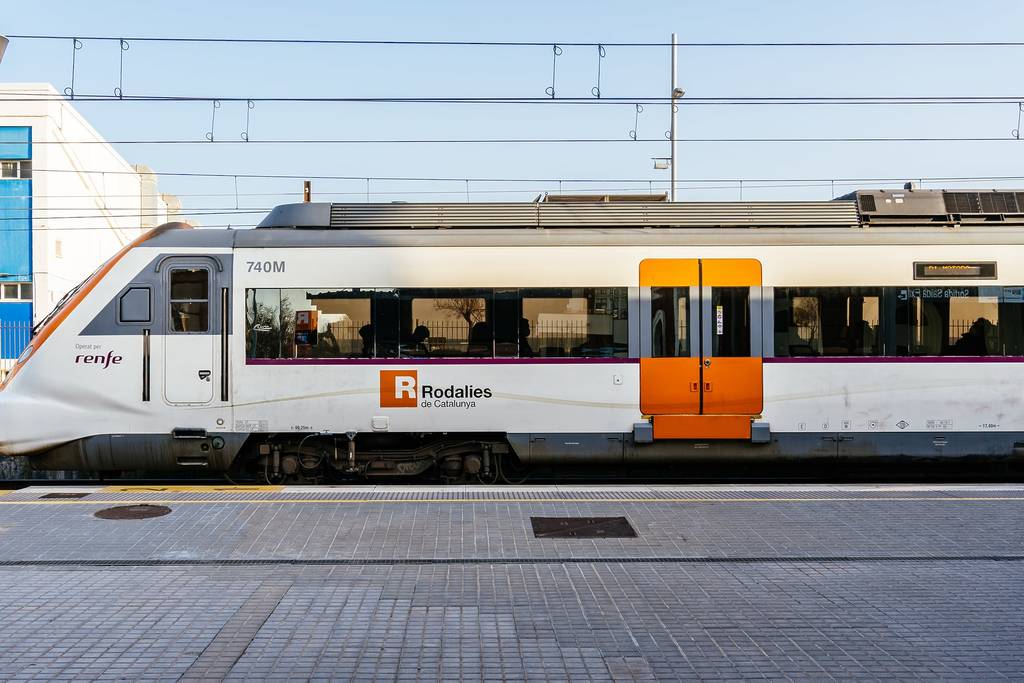
The impact will be greatest for users of regional trains to the south of Catalonia and Barcelona, bound for Tarragona, Reus, Lleida, Tortosa, or Port Aventura.
In this case, the section between El Prat de Llobregat and Sant Vicenç de Calders will be covered by direct buses. The rail service will continue before and after this section.
On weekdays, two trains arriving in Barcelona in the morning and two departing in the afternoon will be diverted via Vilafranca del Penedès. This detour will add approximately 40 minutes to the total journey time, but will allow direct connections to Barcelona without transfers.
To absorb the demand, intercity bus lines will be reinforced with a total of 14,400 additional seats. The main reinforced lines will be:
- e16 Barcelona – Sitges: +2,280 seats
- e15.1 Barcelona (Gran Via) – Vilanova: +2,400 seats
- e15.2 Barcelona (Diagonal) – Vilanova: +1,680 seats
- L310 Barcelona – Cunit – Calafell: +960 seats
- Tarragona – Barcelona: +1,440 seats
- Tortosa – Barcelona: +1,680 seats
A new bus service will also be created with two trips in each direction to cover the morning rush hour and the afternoon return between Altafulla, Torredembarra, and Barcelona, in response to explicit requests from the municipalities affected.
The work on the Garraf tunnel affects one of the busiest railway corridors in Catalonia, with tens of thousands of passengers daily connecting Garraf, Baix Penedès, and Camp de Tarragona with the Barcelona metropolitan area.