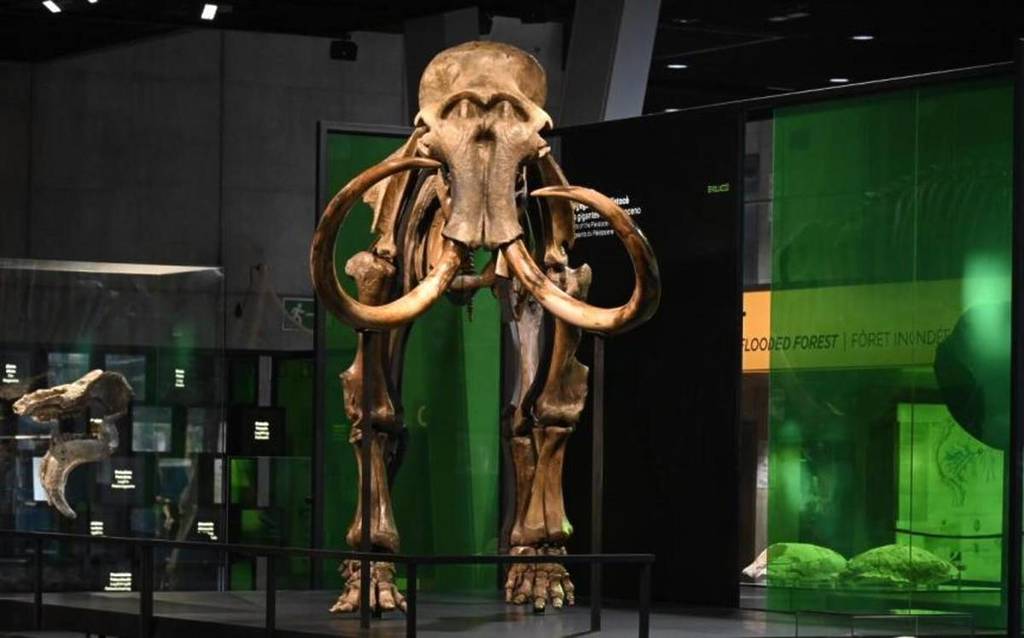
The CosmoCaixa has a new prehistoric inhabitant: an imposing real Siberian mammoth skeleton, six meters long and 3.5 meters high, which is already part of the permanent exhibition of the Barcelona museum. This specimen, which lived between 40,000 and 50,000 years ago in the frozen steppes of Russia, becomes one of the most spectacular pieces of the space dedicated to evolution.
The mammoth, the undisputed icon of the Ice Age, will allow visitors to delve into the life of these social and gigantic animals, which could consume up to 180 kilos of grass a day, gestated for 22 months and migrated south during the coldest months. In addition, their presence in the museum invites us to reflect on the great extinctions of Earth’s history and the mystery that still surrounds the disappearance of the mammoths: was it due to human action or climate change?
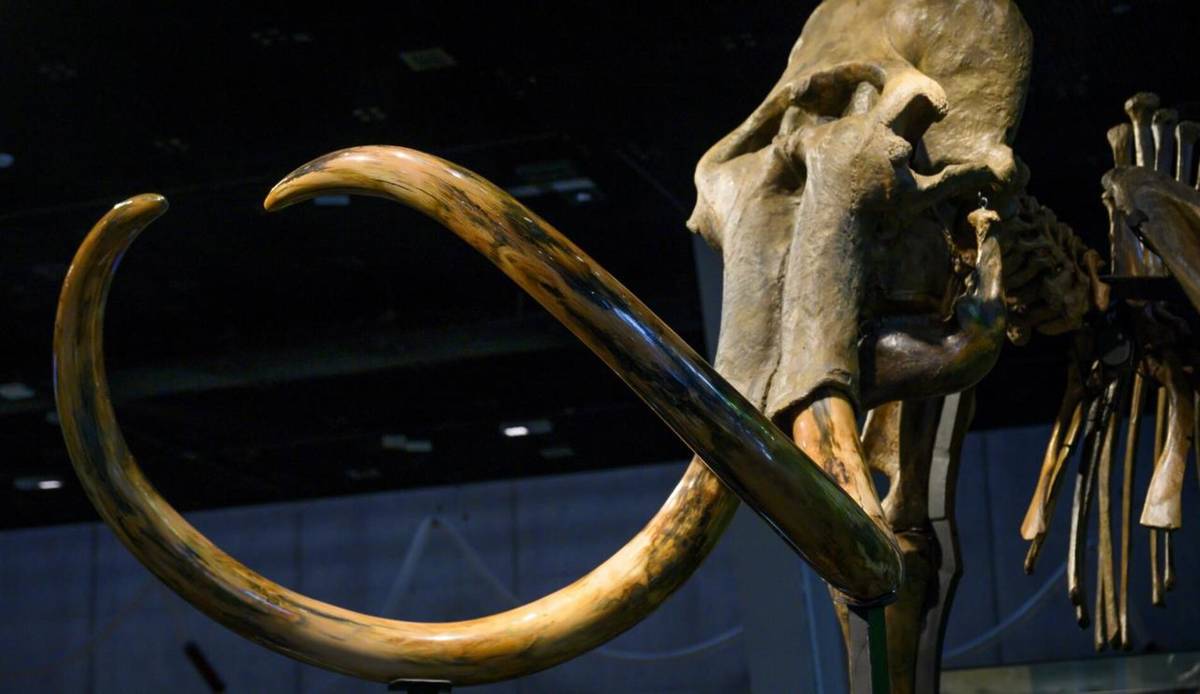
The specimen arrived in Barcelona after a traveling exhibition that toured the CaixaForum in Seville, Zaragoza, Madrid, Palma and Tarragona, where it attracted more than 300,000 visitors.
Now it is permanently integrated in the Sala Univers of CosmoCaixa, in front of the emblematic Bosc Inundat, consolidating itself as one of the most emblematic pieces of the museum.