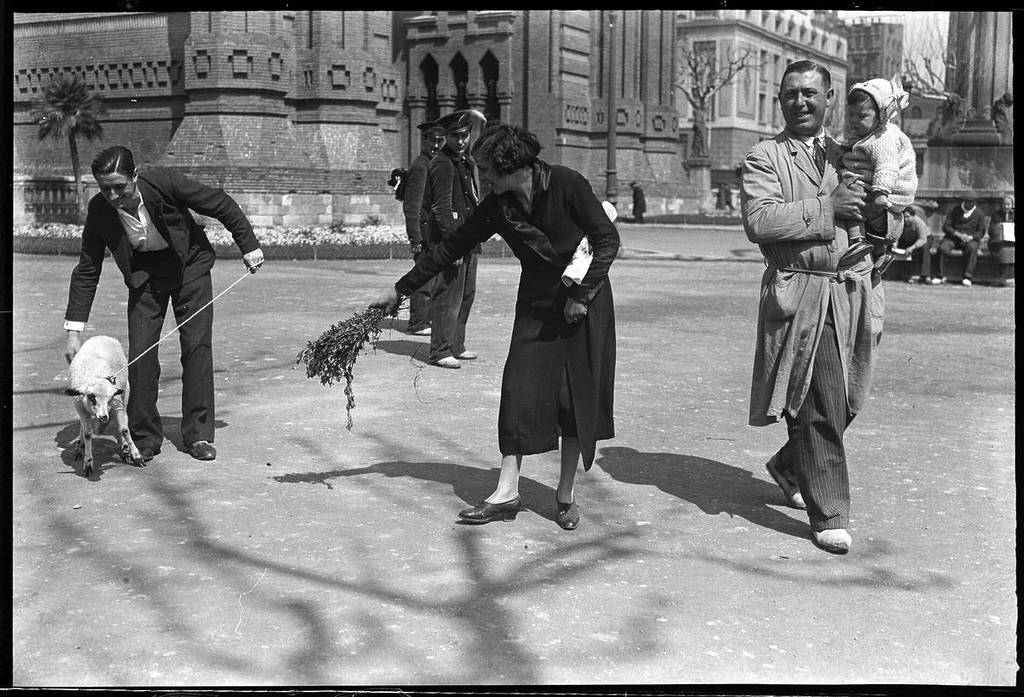
From the Universal Exhibition of 1929 to the Civil War from 1936 to 1940. There are witnesses to history who were lucky enough to portray it camera in hand, and Joan Andreu Puig Farran is one of them, a photojournalist who, without ever exhibiting during his lifetime, captured like few others the social and political turmoil of Catalonia in the 1930s.
Now the KBr Fundación MAPFRE is dedicating a major exhibition to him this summer, the exhibition “Joan Andreu Puig Farran: la dècada convulsa (1929-1939)”, the first exhibition on his work portraying a key period.
Who was Puig Farran
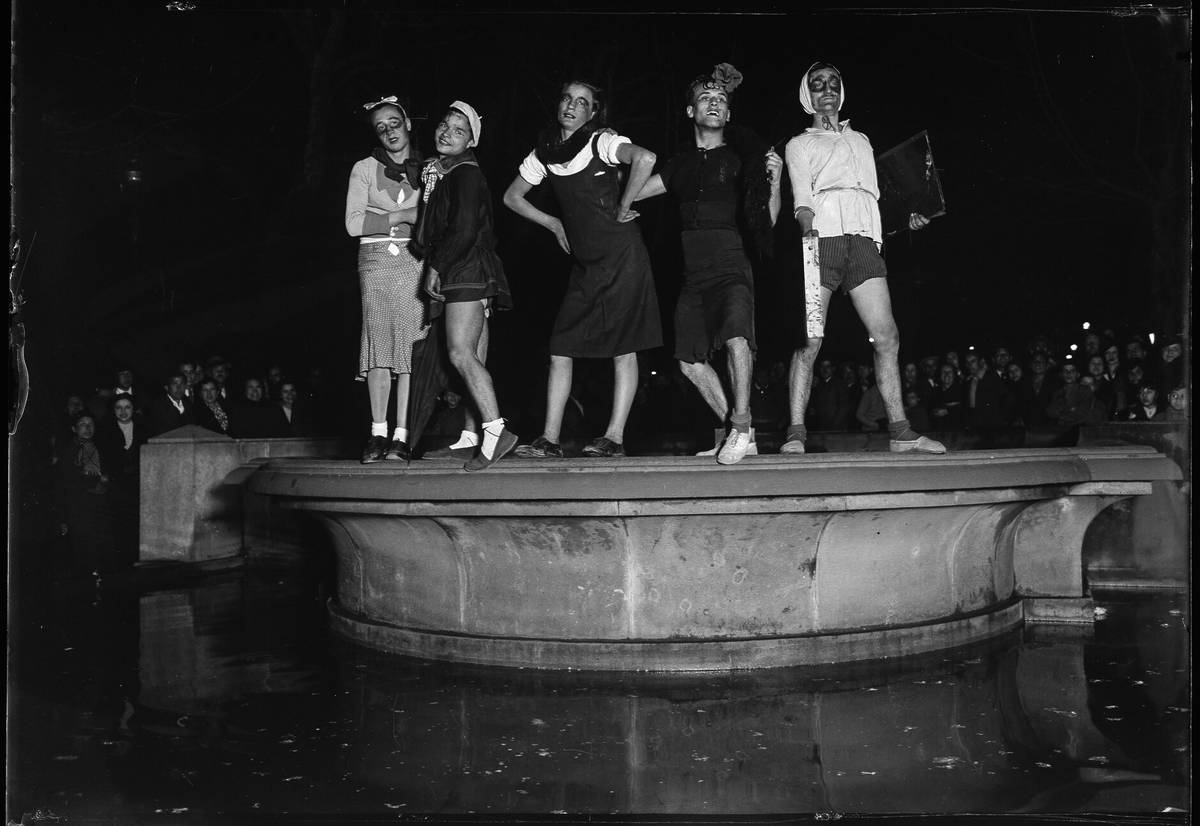
Born in Lleida but arrived in Barcelona in 1920, from 1929, Puig Farran worked as a photojournalist for newspapers such as La Humanitat, Esplai, El Matí, L’Opinió or La Vanguardia. With the outbreak of the Civil War, he covered the fronts of Aragon and Mallorca.
The end of the conflict led him to exile in France, and when he returned to Barcelona in 1945, censorship closed the doors of photojournalism. From then on he dedicated himself to advertising and tourist photography, working for brands such as Codorníu or Gallina Blanca, and together with his friend Antoni Campañà he created the CYP postcard label.
The exhibition: from Barcelona to the front lines of the Civil War
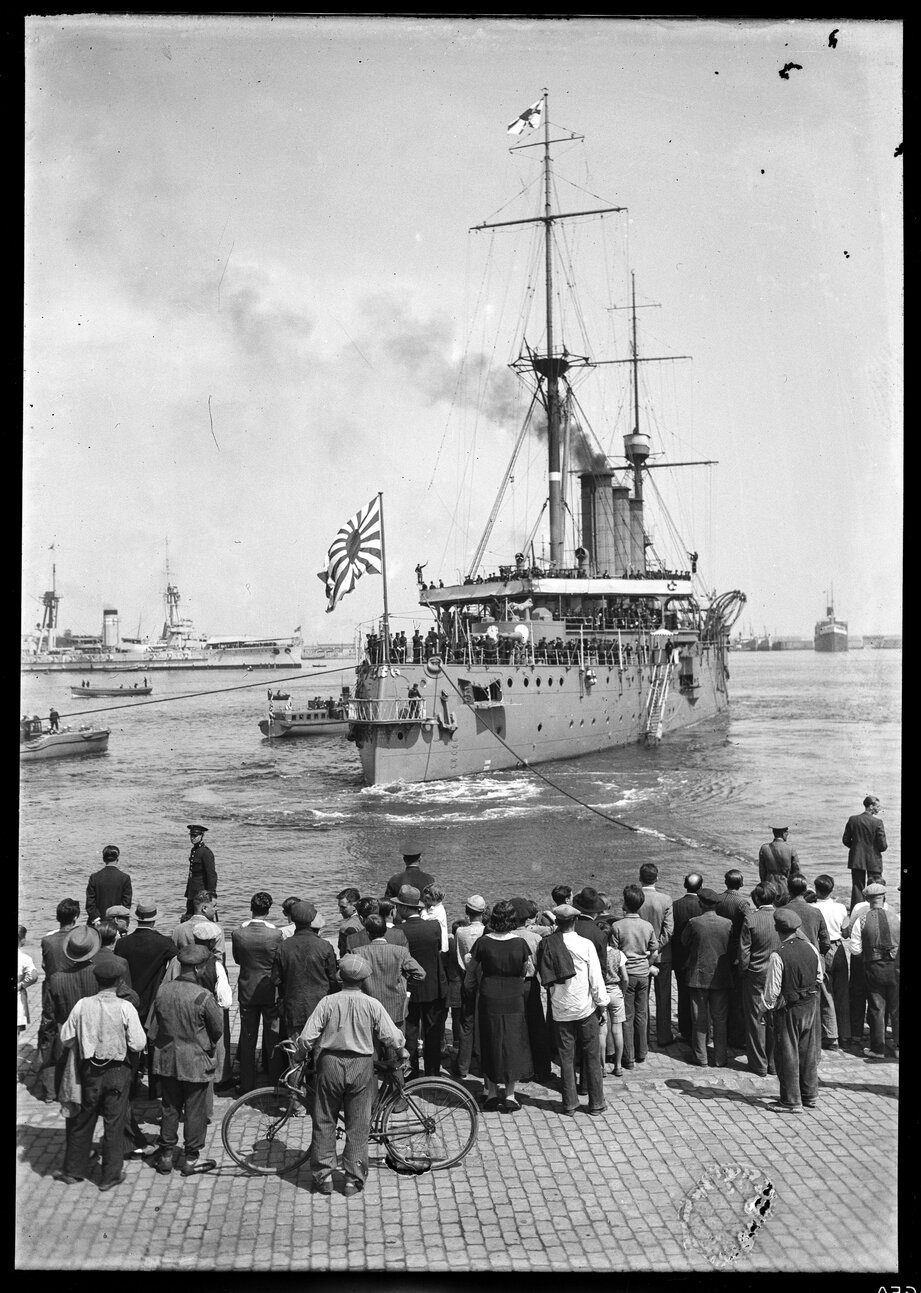
Curated by Arnau Gonzàlez i Vilalta and Toni Monné Campañà, the exhibition brings together a careful selection of photographs printed for the occasion from glass plates kept by the family, as well as original copies from the archives of La Vanguardia. Also on display are historical publications in which his images appeared.
Among them, photos of everyday life and leisure in the cabarets in Barcelona, postcards of the war that ravaged the city or, also, photos of the front or the rear. A complete portrait of a Barcelona that lived in 10 years from the world economic crisis to the Universal Exhibition, through the proclamation of the Republic, the outbreak of war and its end.