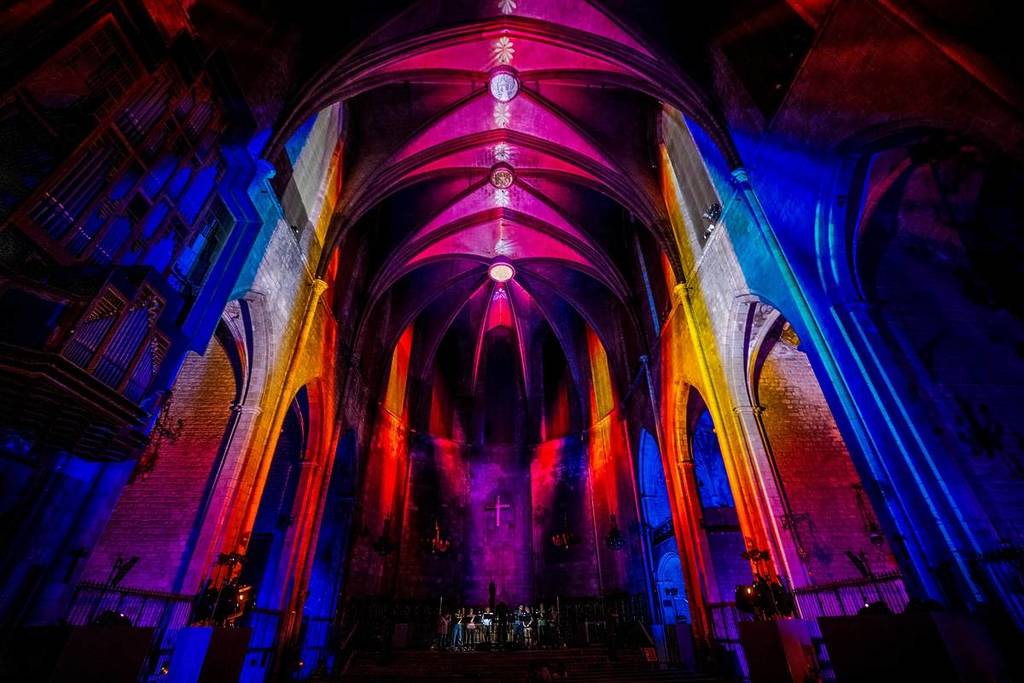
LUMINISCENCE, a show that combines cutting-edge technologies with classical music and that adapts to the architecture and history of each building where it is held (in the case of Barcelona, the basilica of Santa Maria del Pi). Thinking of going? We tell you everything you need to know to plan your visit.
Table Of Contents
Practical information
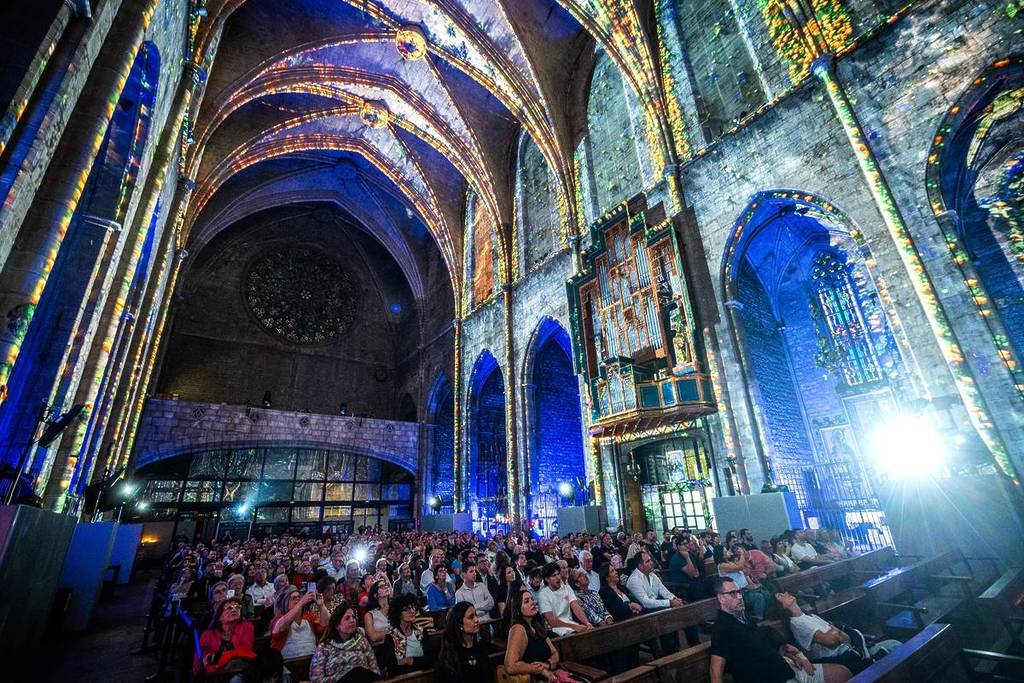
LUMINISCENCE can be enjoyed every day of the week, except for some specific dates (you can check them in the Fever plan). It takes place in Santa Maria del Pi a very central basilica, a few steps from the metro Liceu (L1) and in the heart of the city.
Sessions and schedules
The event, which in addition to music and projections has an immersive voice-over that explains the history of the basilica, has three daily sessions, one for each language:
- 18:00h – English
- 19:45h – Catalan
- 21:00h – Spanish
Versions of the show
LUMINISCENCE has two versions:
- Original version: with digital music. From Monday to Wednesday every week.
- Exceptional version: with a live choir, in addition to the digital music. From Thursday to Sunday every week.
Types of seats
The show has two types of seats, depending on the perspective you want to have:
- Gold Zone: from the back of the nave to its central part, for a panoramic visual perspective.
- Silver Zone: from the center of the nave to the choir, for a close immersion in the visual compositions.
Ticket prices
Ticket prices for LUMINISCENCE vary according to show format and day, with prices starting at 18€ for Silver Zone and 26€ for Gold Zone. There are discounts for different groups, family packs and children under 4 years old get in free if they sit on an adult’s lap.
You can check the prices of each session and the discounts by visiting the Fever experience page.
Musical program of the show
This is a selection of the musical pieces that will be played in LUMINISCENCE:
- La Cathédrale Engloutie – Claude Debussy
- La Moldau – Bedrich Smetana
- Toccata – Eugène Gigout
- Ave Maria Virgo Serena – Josquin Des Prez
- Gymnopédie n°1 – Erik Satie
- Ave Maris Stella – Edvard Grieg
- Tuileries – Modeste Moussorgski
- Promenade – Modeste Moussorgski
- O Ignus Spiritus Paracliti – Hildegard Von Bingen
- Passacaille et fugue en do mineur – Johann Sebastian Bach
- Symphonie n°3 – Camille Saint Saëns
- Gothic Suite – Léon Boellman
- Symphonie n°6 – Ludwig Van Beethoven
- Requiem – Giuseppe Verdi
- La Mort d’Aase – Edvard Grieg
- Jésus que ma joie demeure – Johann Sebastian Bach
- Gloria – Antonio Vivaldi
- Ave Maria – Franz Schubert
- Requiem – Gabriel Fauré
- Ode à la joie – Ludwig Van Beethoven
Who performs the pieces live?
LUMINISCENCE counts in each city with the best choirs of the area to delight us in the sessions from Thursday to Sunday. In the case of Barcelona the chosen formation is the Cor Francesc Valls, founded in 2003 and directed by Pere Lluís Biosca.
This professional choir takes its name from Francesc Valls i Galan (1671-1747), master of the chapel of the Cathedral of Barcelona, and is a regular at the conventual masses of the Cathedral as well as the international masses of the Basilica of the Sagrada Familia. Their expertise in classical and sacred music makes them the perfect choice to give voice to the LUMINISCENCE experience.
In addition, beyond the LUMINISCENCE repertoire, the choir offers in the show the interpretation of a popular Catalan piece performed a cappella.
This is its magical setting: Santa Maria del Pi.
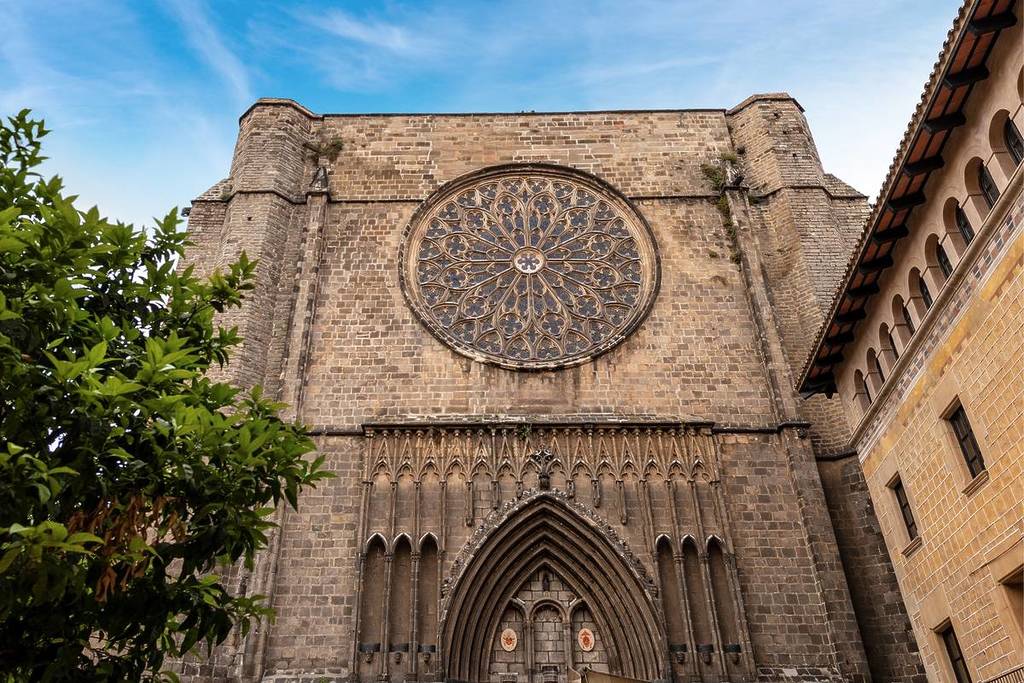
LUMINISCENCE is not only a visual and musical event, it also tells the story of the venues where it takes place. In the case of Barcelona, the chosen venue is Santa Maria del Pi for being one of the most emblematic religious buildings of Barcelona.
This basilica, built between the fourteenth and fifteenth centuries, is an imposing Gothic temple with a single nave of more than 54 meters long and 16 meters high. Particularly noteworthy is its magnificent rose window, one of the largest in Europe with its 10 meters in diameter.
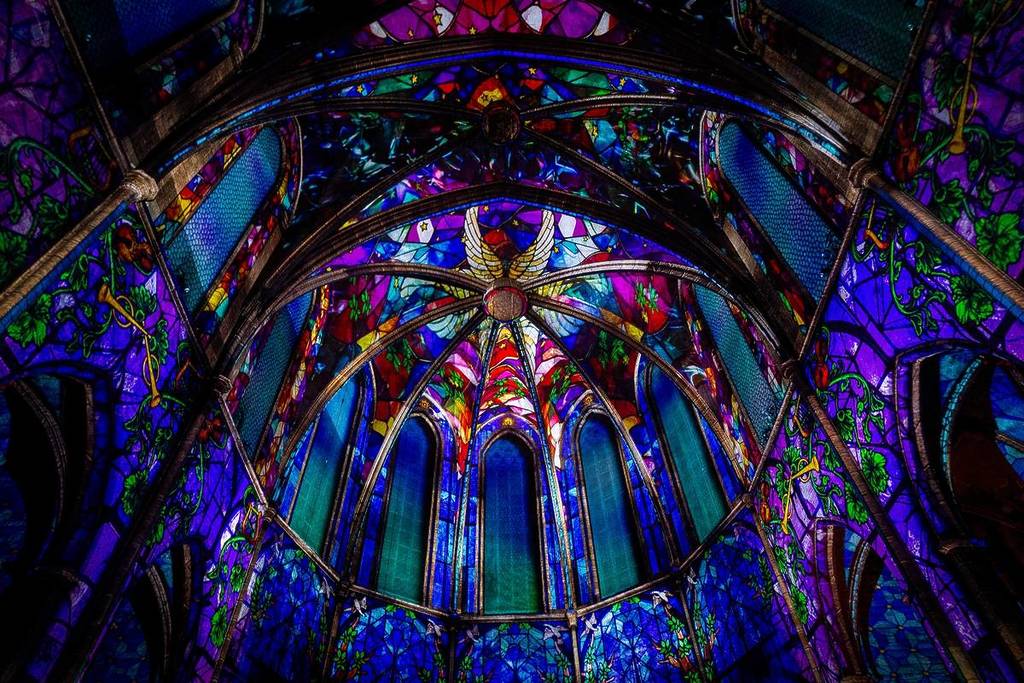
LUMINISCENCE highlights all these architectural elements with the spectacular video mapping projections and the voice-over that tells us about its more than 700 years of history and its spirit of survival. Santa Maria del Pi resisted wars and catastrophes and almost disappeared during the Spanish Civil War: it was burned in 1936 but several works were undertaken to repair its damage from the 50s by the famous architect Josep Maria Jujol. And with this reform that respected its original style it has reached our days.