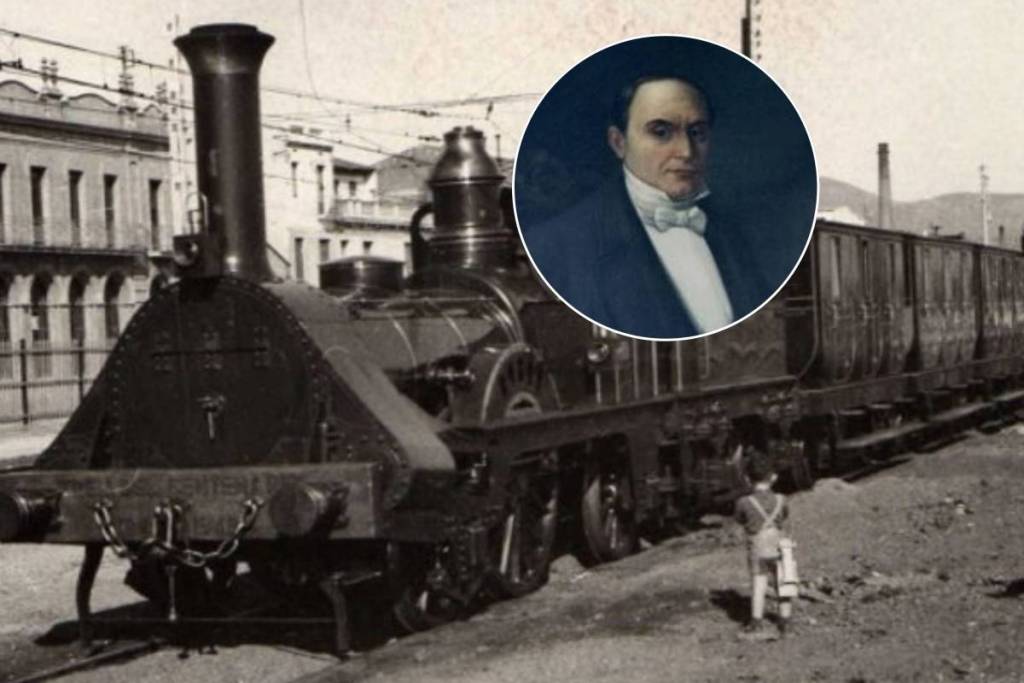

Most Catalans know that the first train in the country’s history connected Barcelona with Mataró; a smaller group will recall that it was inaugurated in 1848, but very few are aware that the idea came from Miquel Biada i Bunyol, a sailor and merchant who bet 10,000 pesos that he would build a train connecting his hometown with the Catalan capital. The rest is history: on October 28, 1848, the train carried 400 passengers from Barcelona to Mataró.
Miquel Biada’s life story is full of adventures, controversies, and travels. Born in Mataró in 1789 to French parents, he trained as a sailor along the Catalan coast and set sail for Venezuela to pursue a career in trade. By the age of 21, he was already a well-known merchant in Maracaibo, managing imports from the Iberian Peninsula.
A story of ups and downs in Spanish America
During the Spanish American War of Independence, he fought as a captain in defense of the Spanish Crown. But after the defeat, he was heavily fined and expelled from the country, so he returned to his native Catalonia in search of new opportunities.
However, shortly after returning to Europe and witnessing the country’s political and economic instability, he decided to set sail back to the Americas, though this time his destination was Cuba, still a Spanish colony. There, he resumed his work as a merchant mariner, but he would soon expand his investments into the tobacco and sugar trades, becoming a staunch defender of slavery (one of the most controversial aspects of his life).
In 1837, he was part of the group of investors behind the railroad between Havana and Bejucal, the first train in Latin America. He was so impressed by the efficiency of this mode of transportation that he then bet 10,000 pesos that, upon his return to Catalonia, he would build a railroad network within four years and travel on it.
Tour of Catalonia and the Development of the Railroad
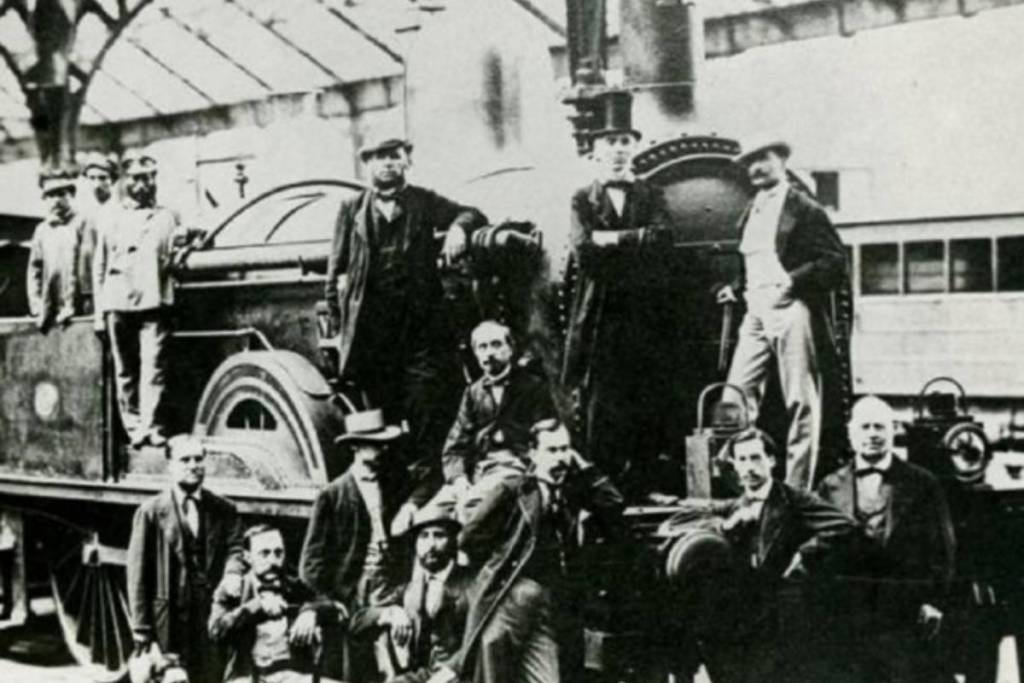
He never got to ride it himself, nor did he meet the deadlines, but he did manage to spearhead the development of that rail network. In 1840, he arrived in Barcelona, but found no support from institutions or investors. The country’s fledgling industrial sector and the recent Carlist Wars diverted him from his goal.
Eventually, he secured support from some local investors and others from Britain, and despite dozens of bureaucratic hurdles, unpaid bills, social unrest, and even acts of sabotage and vandalism against the infrastructure, the project moved forward. However, six months before the inauguration, Biada died of pneumonia and never got to see the train in operation.
The arrival of the railroad in Barcelona marked the beginning of the modern industrial era throughout the country, revolutionizing the region’s economy, mobility, and urban development.