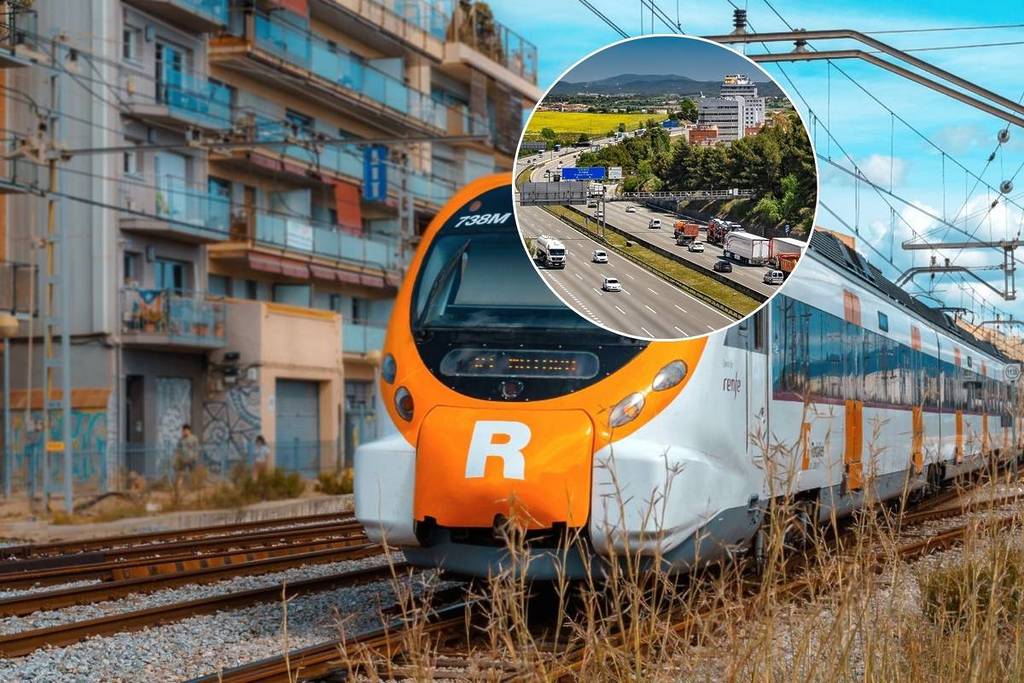
Barcelona woke up today with that strange feeling of knowing that getting to work is going to be an odyssey worthy of Homer. If yesterday chaos was the general tone after the tragic accident in Gelida, this Thursday the situation is not much more encouraging. Although the authorities promised to try to restore some normality, the reality on the platform is quite different, with Rodalies starting the day in a state of complete paralysis.
Despite technical inspections and test runs carried out during the early hours of the morning to check the condition of the tracks, the Cercanías network remains out of service in practically the whole of Catalonia. The official line is that safety comes first, but behind this decision there is also suspicion of a labor dispute that threatens to prolong the stoppage.
Fortunately, not the entire rail system is at a standstill, as the AVE and long-distance high-speed services are operating normally, becoming the only lifeline for those who need to cross the region quickly.
Unlike yesterday, the main stations now have information officers explaining the situation of the rail system.
Operational causes or a covert strike?
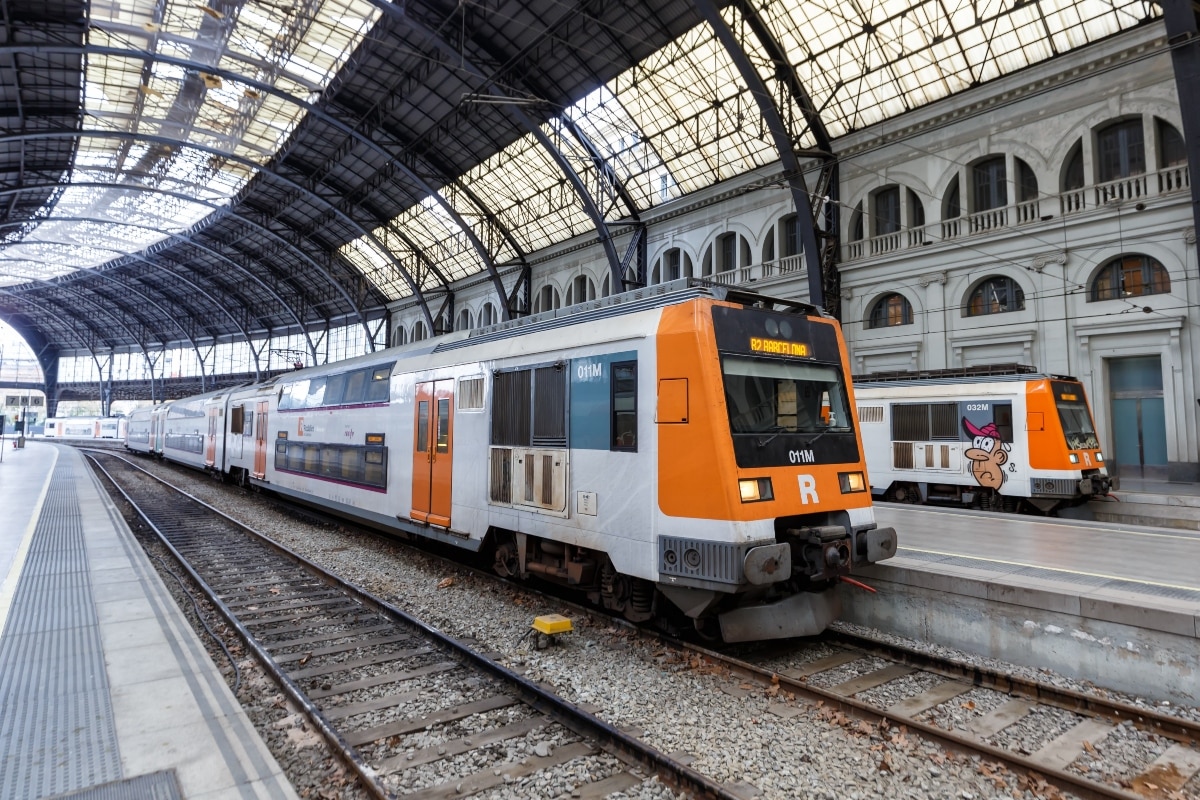
The buzz at the stations is not only about unstable embankments, but also about a standoff between workers and the company. While Renfe is limiting itself to reporting a suspension for operational reasons, the majority union of train drivers, Semaf, has already made it clear that its professionals will not take control of any train without a written safety commitment certifying that the tracks are passable. However, the strike has not been officially declared, and Semaf insists that it is not a covert strike.
This walkout, which many users and experts are already describing as a covert strike, is a prelude to the official strikes called for February. The discontent is palpable, as after the accidents in Gelida and the recent one in Adamuz, train drivers are denouncing the systematic neglect of the infrastructure. The result for the average Barcelona resident is the same: black screens and the need to find a way to get around outside the conventional rail network.
The refuge of the Ferrocarrils and the bus
 Source: Shutterstock
Here is a list of the transport services that ARE operating in Barcelona and that you can use to get around the city and try to enter or leave it.
- Ferrocarrils de la Generalitat: with Rodalies out of action, the burden of metropolitan mobility has fallen on the shoulders of Ferrocarrils de la Generalitat, which is operating normally and has become the lifeline for residents of Vallès and Baix Llobregat.
- Metro and TRAM: the Metro lines are also coping well, absorbing passengers who would normally enter the city via Renfe.
- Urban and interurban buses: for those coming from further afield, the Generalitat has reinforced interurban bus lines, especially from Maresme and Girona. However, if you are going to use the bus, arm yourself with patience and check the official website before leaving home, because there are last-minute diversions and stop changes in places such as Viladecans and Santa Coloma that could ruin your morning coffee.
The AP-7 bottleneck and the toll respite
 Source: Raul Photography-Shutterstock
If you decide to take the car, things aren’t looking too good either. The AP-7 remains closed southbound between Martorell and Vilafranca del Penedès. There is a real risk of the infrastructure collapsing after the accident, and technicians do not want to take any chances with the weight of the thousands of trucks that pass through this point every day. This means that many vehicles are being diverted to the A-2, creating traffic jams that test anyone’s patience.
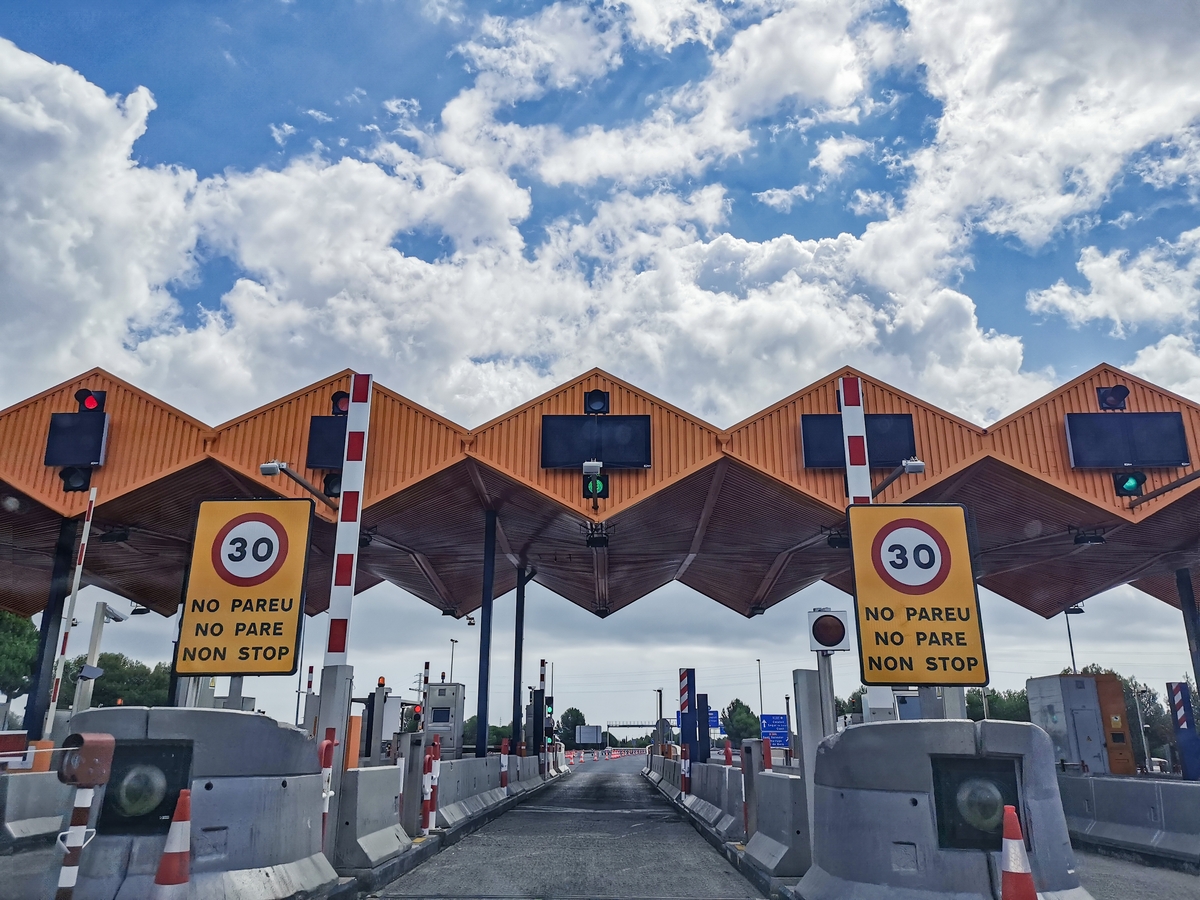
The good news, amid the drama, is that in an attempt to alleviate this monumental traffic jam , the barriers in the Garraf tunnels on the C-32 have been lifted. Now is the time to take advantage of the coastal route, although bear in mind that the volume of traffic is much higher than usual.
For those who need to travel inland or south, the official recommendation is to take the A-2 to Igualada and connect with the C-15 to rejoin the highway once past the critical section of Martorell. The Generalitat already reported yesterday on the alternative routes for the various road closures.
Mobility recommendations for the rest of the week
Given this situation, the best recommendation for the rest of Thursday and for Friday is, if your job allows it, to embrace teleworking as if there were no tomorrow. Avoiding unnecessary travel will not only save you a couple of hours of your life lost on a platform or in the left lane, but it will also help to decongest roads that are at the limit of their capacity.
If you have no choice but to travel,try to stagger your schedule so you don’t coincide with rush hour and stay tuned to real-time updates from Trànsit and transport operators. Barcelona is an expert at surviving its own traffic jams, and although today’s jam is a little tighter than usual, we will eventually reach our destination, even if it is a little later than planned.
Rodalies has issued an official excuse note following the rail chaos in Barcelona on Wednesday and Thursday.
Low Emission Zone suspended
The Catalan government has announced the temporary suspension of the Low Emission Zone in Barcelona to facilitate the use of private transport in the city in view of the lack of Renfe service.