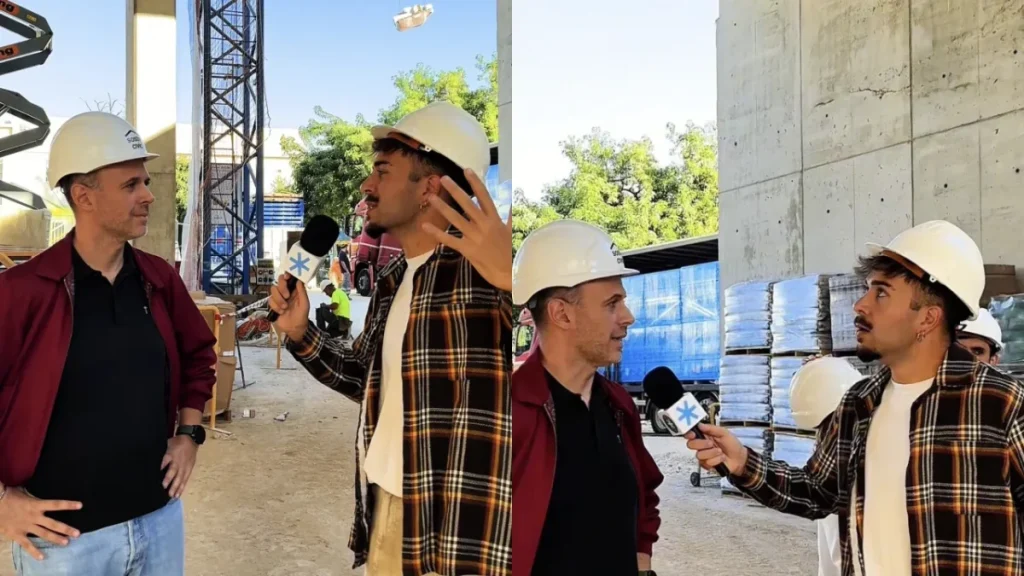

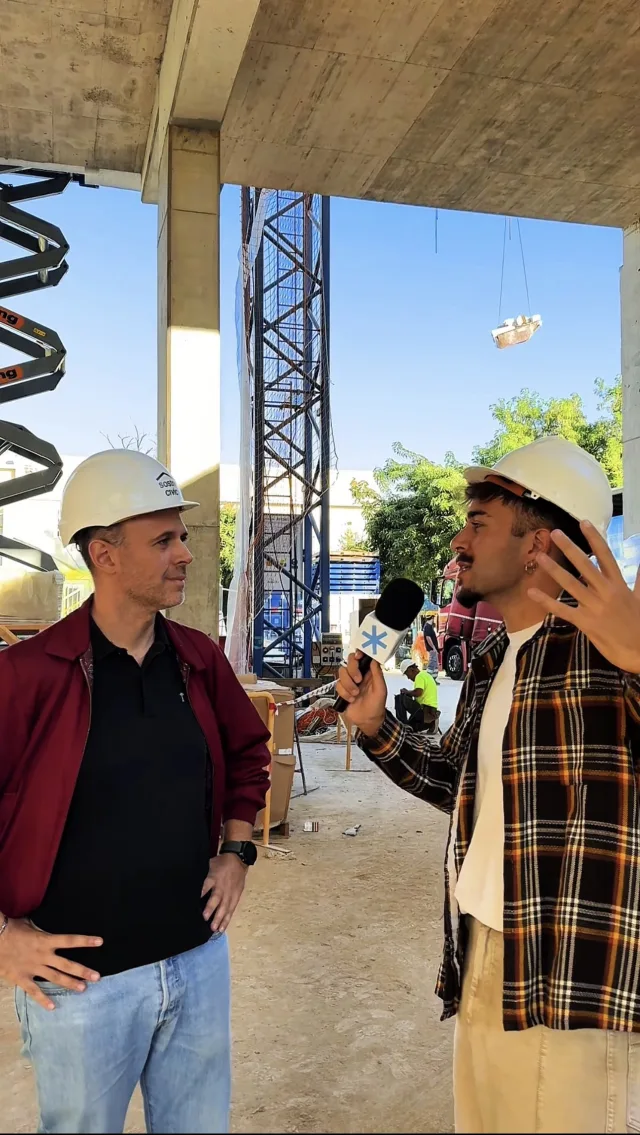
In the Sant Andreu neighborhood, construction is underway on Ca l’Ordit, a 62-unit building that will become the largest cooperative housing project under a right-of-use arrangement in all of Catalonia and the rest of Spain. Led by the organization Sostre Cívic, the complex aims to dispel the notion that this housing model is equivalent to living in a commune. Each family or household has its own lockable private space, equipped with a kitchen, bathroom, and private bedrooms, while also having access to a wide range of shared facilities.
A model outside the speculative market
The “transfer of use” system stipulates that people who move into these apartments are neither owners nor traditional tenants, but rather users. Residents pay only a monthly amount equivalent to the actual cost of building and maintaining their home. According to the developers, who confirmed that construction will begin in 2023, this model makes it possible to create affordable housing that is shielded in the long term from the fluctuations and dynamics of the speculative real estate market.
Accessibility and integration with the surrounding area
The design of the architectural complex takes its immediate neighbors into careful consideration. Right next to the construction site is TEB, a cooperative that provides comprehensive support to people with disabilities. As a result of this proximity and collaboration, the new project has specifically reserved several of its units for the members of this organization. To ensure their daily independence, the building places special emphasis on comprehensive accessibility, with the complete elimination of architectural barriers and the creation of spaces that are navigable and adapted for people in wheelchairs or with limited mobility.
Having additional square meters allocated to common areas allows residents to enjoy facilities that would be difficult for a single person to afford in a conventional apartment. This collective structure aims to provide a greater safety net and facilitate shared resources, based on the idea that community living provides access to better material and housing conditions.