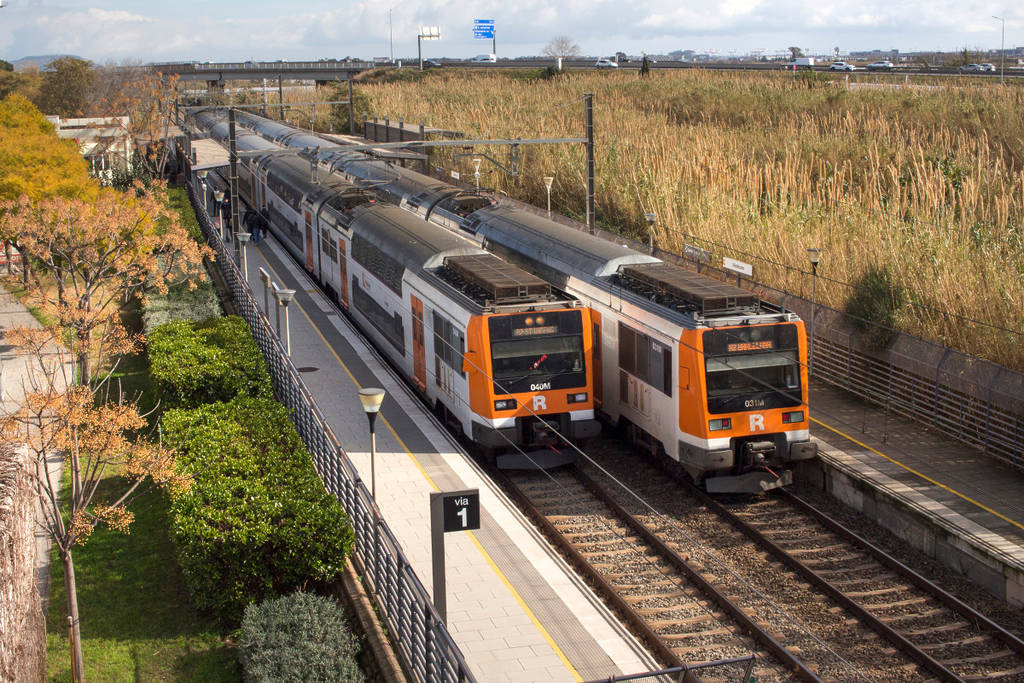

Cold early mornings on the platform and eyes fixed on the information boards have become a familiar sight for thousands of Catalan workers and students. This Tuesday, November 17, rail service will once again suffer a major disruption from 12:01 a.m. to 11:50 p.m., due to another day of strikes called by the Semaf union, which will affect Renfe Group train crews throughout Spain.
To try to mitigate the impact on mobility and ensure essential travel, the Catalan Government’s Department of Business and Labor has established the minimum services for the day. Rodalies trains will operate at 66% of their usual frequency during peak hours, while service will be reduced to 33% during other times of the day—a situation that will force passengers to carefully rework their daily routines.
In light of a day that is expected to bring changes to train schedules, Renfe has urged travelers to plan their trips with ample time to spare and to check real-time service status before leaving home. This new work stoppage follows directly on the heels of the general strike held on November 11, a protest that brought the entire rail network to a complete standstill from 9:30 a.m. to 4:30 p.m.
A Bleak Fall for On-Time Performance
The train drivers’ strike is the last thing the rail network needs at a time when, according to the figures, it is already struggling. Data collected by “Transporta’m”—an independent platform launched by members of “Dignitat a les Vies”—reveals that last October, nearly seven out of every ten trains arrived late at their destination. In fact, only 33.8% of trips managed to meet the punctuality threshold, defined as delays of less than five minutes.
The data shows a sustained free fall since the spring. In May, on-time performance stood at 39.5%, and after a brief respite in August (42%), the figures have plummeted this month. During the first twelve days of November—a period marked by seven consecutive days of strikes—barely 25% of trains managed to arrive on time.
Waiting times on the rise
On the platform, the statistics translate into a drastic increase in the time passengers spend waiting. The average delay jumped from 13.4 minutes in October to nearly 23 minutes in early November.
Taking a closer look at the delays, 35% of trains experienced delays of between five and fifteen minutes; 20% were delayed by between a quarter of an hour and half an hour; and nearly 11% were delayed by more than 30 minutes. Furthermore, the uncertainty is compounded by cancellations: the number of canceled scheduled services has nearly doubled, rising from 6.4% in October to 12.5% during the first twelve days of this chaotic month of November.
time