The European Union will impose from next summer a 3 euro levy on parcels arriving from outside the European Union with a value of less than 150 euros.
The European Union’s finance ministers (Ecofin) have agreed that, as of July 1, 2026, the regulation that exempted non-EU shipments with a value of less than 150 euros from tariffs will be eliminated. From that date there will be a new fixed levy of €3 per product category.
The decision seeks to correct the market distortion caused by the rise of Asian platforms. According to data from the European Commission, 91% of the packages currently benefiting from this tax advantage come from China, which has put operators such as AliExpress, Shein or Temu in the spotlight.
Brussels justifies this action as a necessary response to tackle the unfair competition suffered by European sellers due to the current entry of tax-free packages.
The EU authorities warn that this massive flow of shipments poses serious risks to the health and safety of consumers, encourages high levels of fraud and generates a growing environmental concern.
Here you have the practical example written in agency format, ready to be inserted as an explanatory breakdown or as a highlighted block within the main news item.
This is how the surcharge will be calculated: why you will pay a 9 euro surcharge for 3 products.
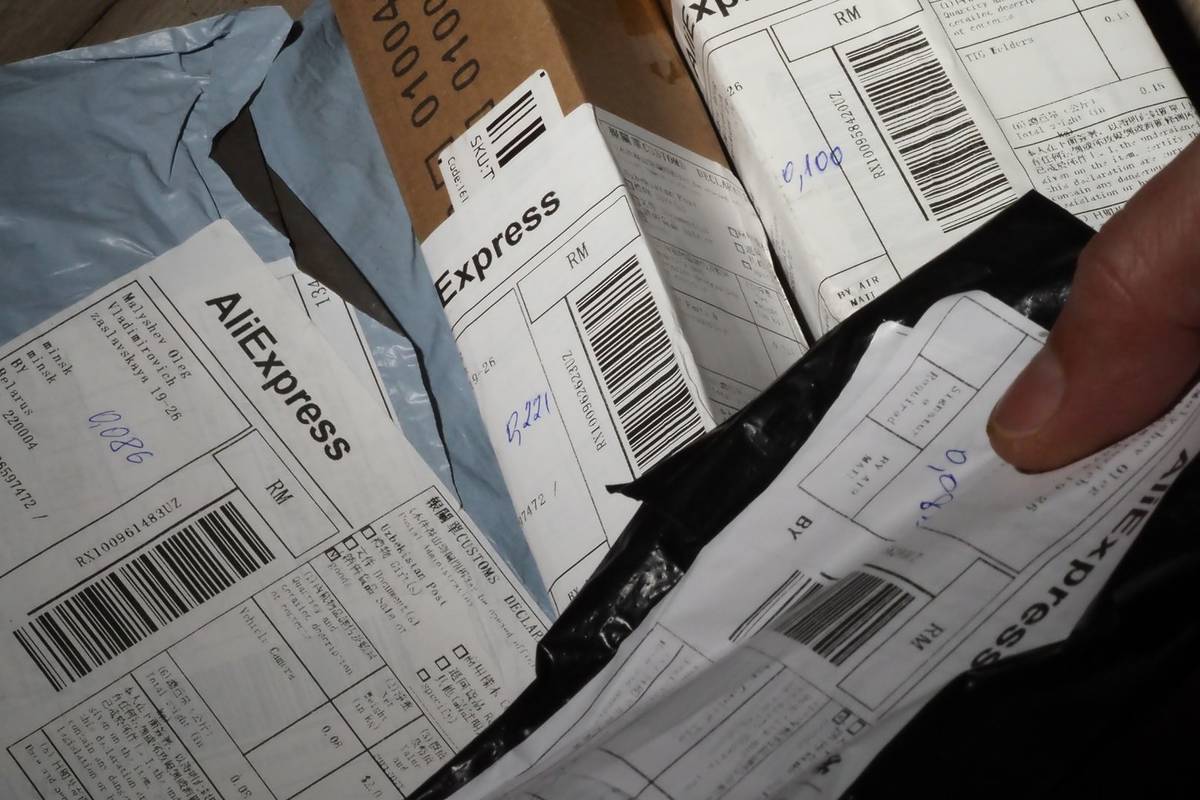
The distinction by materials and not only by generic category will make the final basket more expensive. To illustrate the real impact of the measure on the consumer’s pocket, EU sources have detailed an example of a standard purchase that clarifies the rule: a package containing a cotton T-shirt, a pair of pants and a skin cream.
Under the new rules, Customs will not group items simply as “clothing,” but will apply the €3 rate based on the specific composition and tariff category of each good. The breakdown would be as follows:
- Cotton T-shirt: €3 (Category: natural textile).
- Pants: 3 euros (Category: synthetic textile). As they are different materials, they compute as two separate rates.
- Cream: 3 euros (own category).
The buyer will have to pay an extra 9 euros in customs duties for this shipment, instead of the 6 euros that would result if the two textile products were grouped under a single generic clothing label.
Reports handled by the National Association of Large Distribution Companies (Anged) cited by Cinco Días reveal that Spain has the highest European dependence on these marketplaces: 34% of online purchases made in the country come from Chinese platforms, a figure much higher than that recorded in economies such as Italy (14%), France (9%) or Germany (8%).
The European Council has proposed this tax as a transitional solution until the comprehensive reform of the EU customs system, scheduled for 2028.