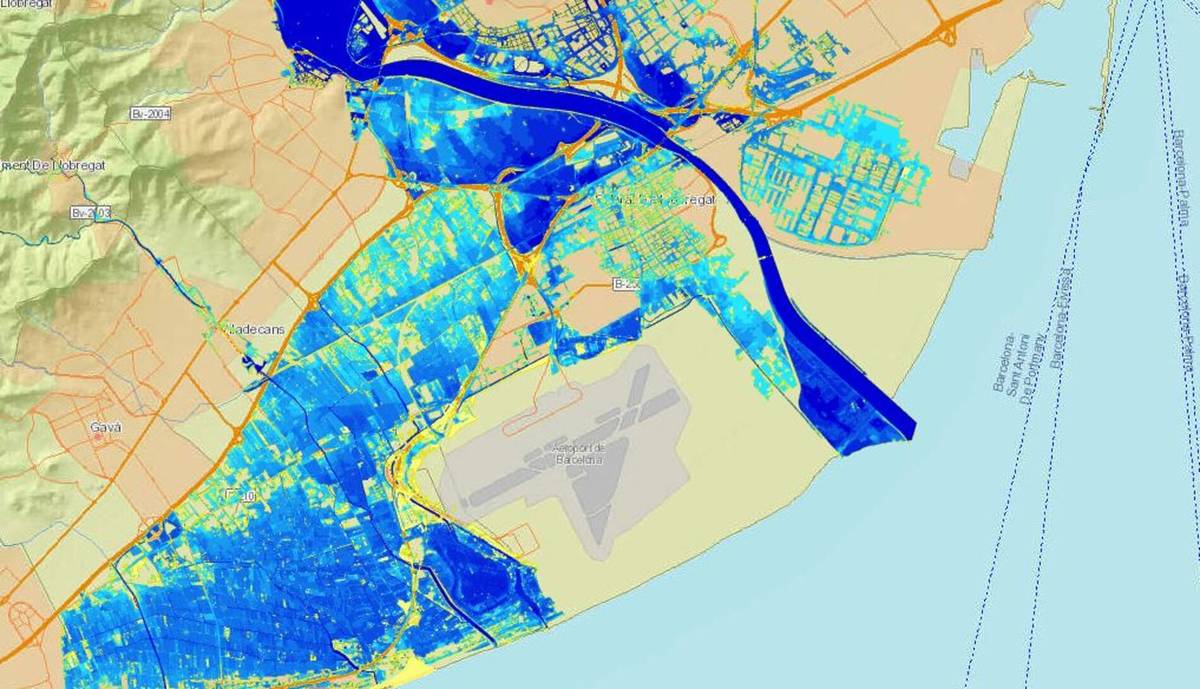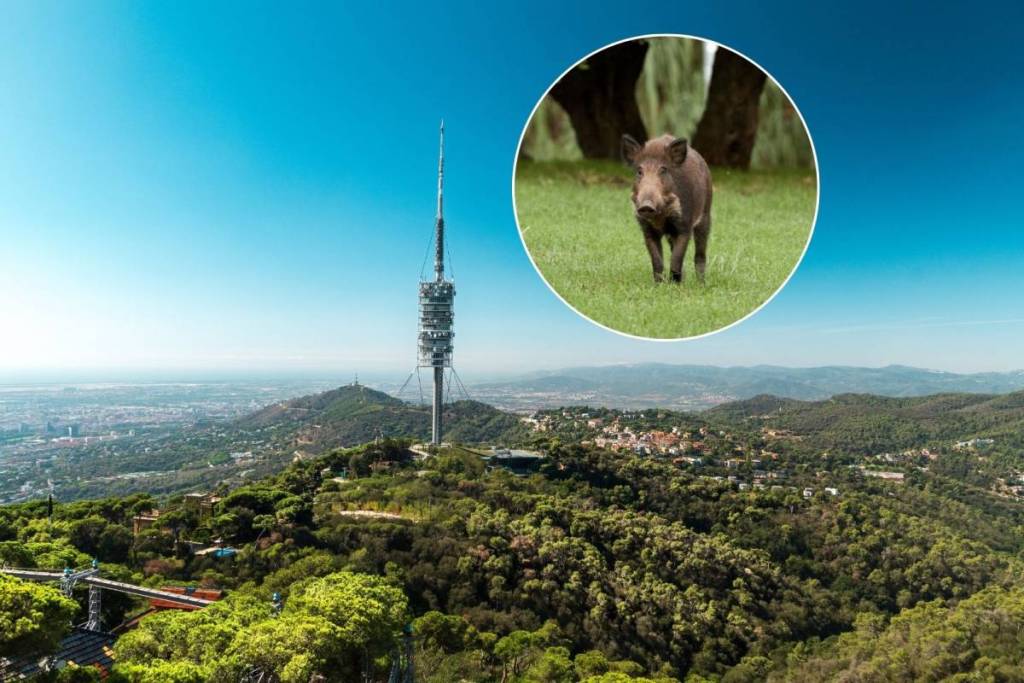

Over the past few months, Barcelona’s great green lung has been breathing behind closed doors, plunged into an unusual slumber without the usual comings and goings of walkers, athletes, and families. Now, this unprecedented episode is finally heading into its long-awaited final stretch: Collserola Park will reopen its trails imminently toward the end of November or, at the latest, by the end of the year.
The decision comes after confirmation that the African swine fever (ASF) outbreak—which led to eleven months of restrictions and more than six months of total lockdown—has now virtually disappeared. Òscar Ordeig, Regional Minister of Agriculture, Livestock, Fisheries, and Food, has announced that the return to the mountains will take place gradually and in stages through “safe corridors,” an essential step to ensure the success of a containment effort that has been achieved in record time throughout the European Union.
From a “ticking time bomb” to a controlled environment
In the area considered the “ground zero” of the health crisis, the landscape has changed dramatically. At the height of the alarm, the wild boar population density was about 20 animals per square kilometer—a scenario that came to be described as a veritable “ticking time bomb.” Today, that figure has dropped to less than one animal per square kilometer.
Although some positive test results have recently been reported, the regional government clarifies that these correspond solely to remains of dead animals, confirming that the virus is no longer actively circulating in the natural environment.
Patience to Avoid Missteps
The key to navigating this imminent easing of restrictions is caution. The regional ministry is asking for patience and trust from the public, many of whom have called for the park’s reopening due to mental health concerns and anxiety stemming from a lack of access to nature.
The goal of this gradual reopening is, precisely, to protect the tremendous collective effort of recent months. Ordeig has been unequivocal regarding the timing of this operation, warning that a total and indiscriminate reopening would pose an unacceptable risk: “If we rush things now, it could send us back to square one.”
The Impact on Mountain Businesses
The silence on the trails has not only affected leisure and sports in Barcelona but has also dealt a severe blow to the economy of businesses located in the vicinity of the park.
Businesses in Vallvidrera and other municipalities within the park, such as the historic Casa Trampa, have warned since the beginning of the lockdown about the impact on their revenue caused by the ban on access to an area that depends, to a large extent, on weekend hikers and cyclists. Casa Trampa itself—a historic business over 100 years old—has announced on several occasions that the lockdown was on the verge of forcing it to close its doors.
To help mitigate the economic damage caused by this half-year without visitors, the administration has designed specific aid programs. The essential requirement set by the regulations to qualify for this lifeline is that businesses demonstrate a drop of at least 30% in their revenue. In response to concerns from the sector, the Agriculture Minister has left the door open to expanding or supplementing these measures if necessary, assuring that the regional government will strive to assist those affected: “We will help in any way we can.”