
The Port of Barcelona has launched an ambitious project to restore the five iconic wooden pergolas on the Moll de la Fusta, structures that have remained underutilized since the closure of the old restaurants more than 25 years ago. With a planned investment of at least 500,000 euros, the project aims to transform this section of the waterfront into a gathering place for residents, featuring shaded areas, cultural activities, and recreational spaces.
The project will be carried out in phases with the goal of having the first results visible this summer. As confirmed by David Pino, director of Port Vell, the immediate priority is to repair structures damaged by the elements and subsequently cover them to create weather shelters. This measure aims to improve thermal comfort for pedestrians walking between the Columbus statue, Via Laietana, and Barceloneta under the sun’s rays.
A new model for public use
Unlike its previous phase, marked by large-scale restoration, the new approach by the port and the Barcelona City Council focuses on diversified and public use. The project calls for only one of the five pergolas to be used for a hospitality establishment. The remaining four will be transformed into dynamic areas inspired by models such as those found in Plaça de les Glòries.
Among the new features planned for late 2026 are:
- Reading areas: Installation of bookcases and rest areas.
- Play Areas: Creation of a playroom and a library of games available for free use.
- Sports and culture: Areas designated for sports and cultural events.
- Children’s Area Expansion: Renovation and expansion of the playground located across from Plaza del Duc de Medinaceli.
From Olympic Splendor to Revitalization
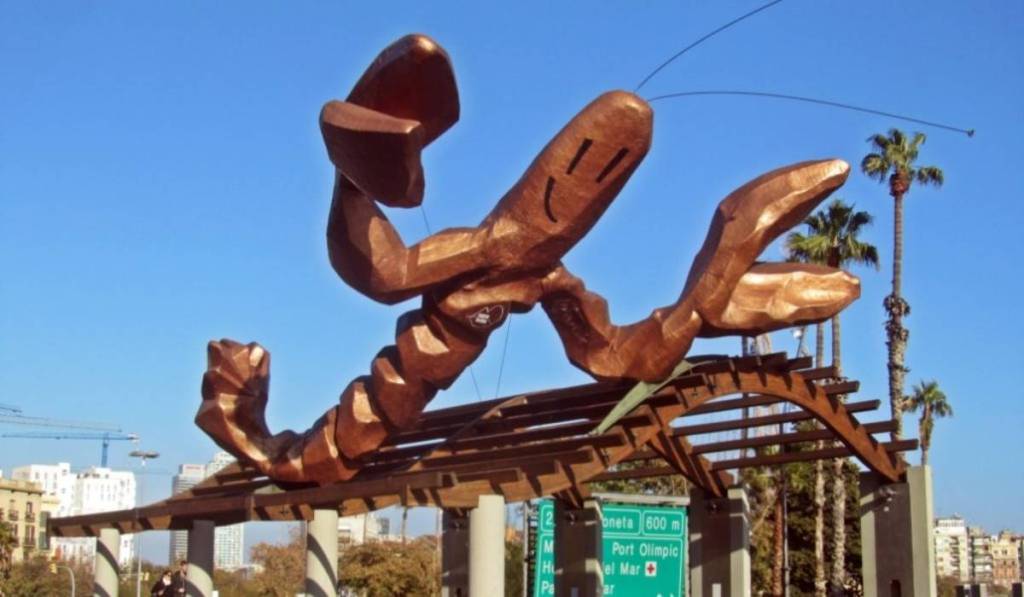
Moll de la Fusta experienced its golden age after the city opened up to the sea in the late 1980s. In 1988, five landmark venues—Blau Marí, Distrito Marítimo, Traffic, La Cerveseria del Moll, and Gambrinus—were inaugurated, shaping the leisure culture of the Olympic generation. From that period, La Gamba remains: the iconic sculpture by Mariscal that was restored and relocated in 2004.
For thousands of Barcelona residents, there is no memory left of those establishments, but the postcard image of the pergolas, with their wooden beams facing the sea, is a defining image of Barcelona. Who hasn’t fantasized, during family strolls through the port, about that giant shrimp?
After a decade of operation, competition from venues like the Maremagnum and noise complaints led to the closure of the establishments. Now, the Port aims to ensure the pier is no longer merely a place people pass through. To guarantee the maintenance and revitalization of the new facilities, management could be entrusted to a local district entity or to the future operator of the single bar planned for the promenade.