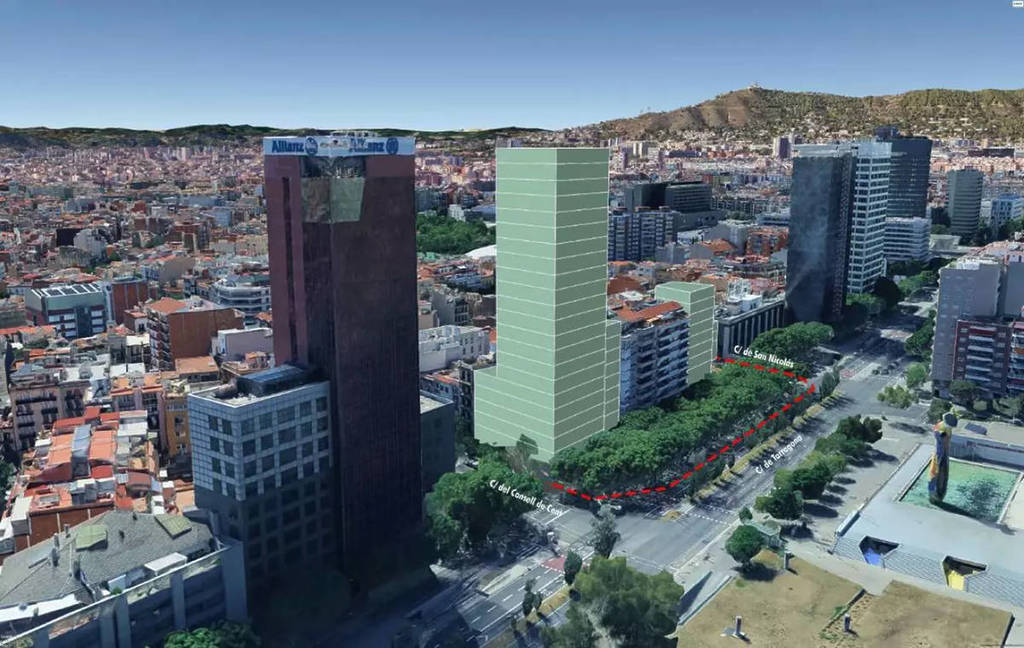

Barcelona isn’t a city of endless Manhattan-style skyscrapers, but there are spots that, if you squint a little, transport you straight back to that vertical ambition of the late 1980s. One of those places is Tarragona Street. If you’ve ever walked from Plaza España toward Sants Station, you’ve probably noticed those towers flanking the street like glass sentinels. Well, the family is about to grow: a new 20-story “twin tower” is on the way to complete the skyline of the city’s southern entrance.
This new steel-and-glass giant will rise on the block bounded by Tarragona, Béjar, Sant Nicolau, and Consell de Cent streets. The project, which has just received initial approval from the City Council’s Governing Commission, will allow the real estate firm Núñez i Navarro to develop a nearly 900-square-meter site that has been waiting for its chance for decades. It will not be just any building, but a structure that will visually interact with the existing Allianz Tower, creating that sense of symmetry so prized in modern urban planning.
An avenue built by Pasqual Maragall
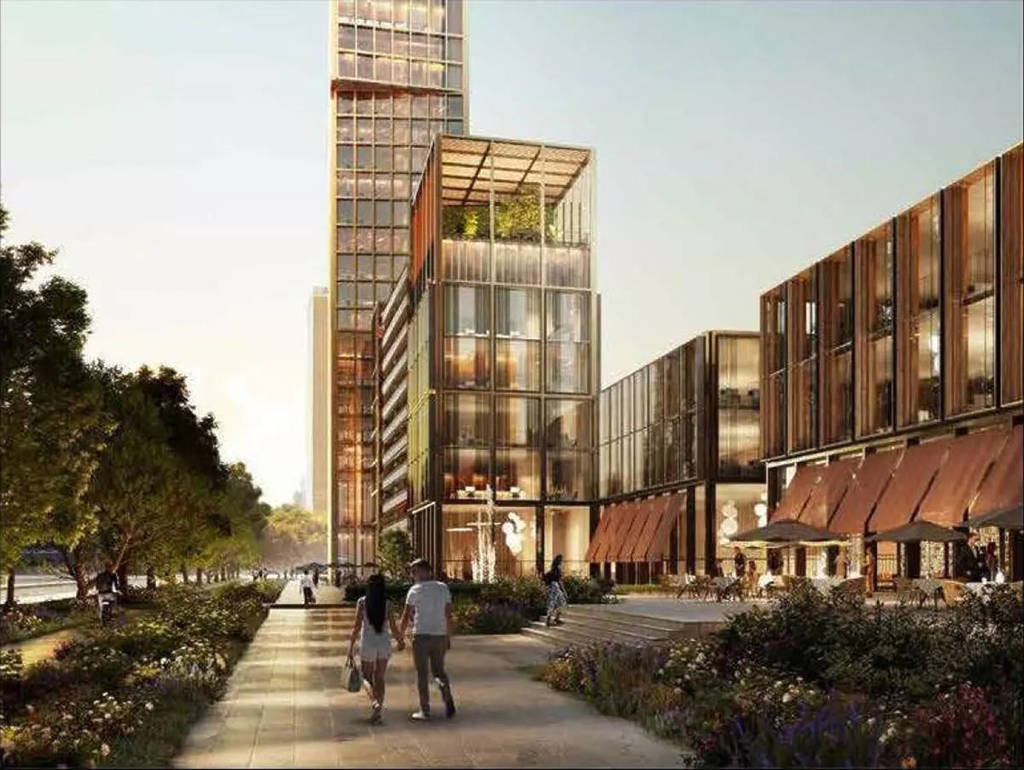
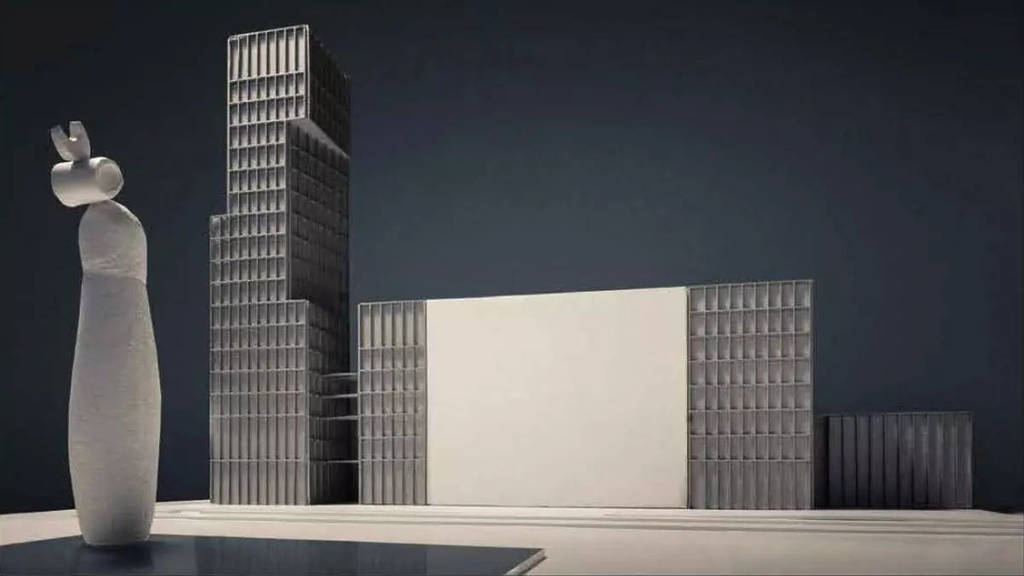
The project isn’t limited to a single block. The urban renewal plan is much more ambitious and aims to bring order to a space of over 6,000 square meters that has seemed stuck in administrative limbo since 1987. In addition to the large office tower, the project includes two other, shorter buildings—one four stories tall and the other seven—that will flank the area. The most interesting aspect for those of us who experience the street at street level is that the private developer will also have to build a public square with open access, in addition to setting aside space for community facilities.
It’s impossible to talk about Tarragona Street without mentioning Pasqual Maragall. The mayor who transformed Barcelona had a particular fixation with this thoroughfare. After his time in New York, Maragall returned with the idea that the approach to Sants shouldn’t be a gray alleyway, but rather a grand, monumental avenue that would welcome travelers with the dignity of a global metropolis.
Although it never quite became Fifth Avenue, the design of these towers was his personal commitment to a Barcelona that looked upward. With this fourth tower, that Olympic dream is coming closer to what Maragall wanted this street to be: an imposing avenue that would be the first thing visitors saw upon exiting Sants Station.
This vision isn’t exclusive to the former mayor of the Olympic Games. When the Olympic Village was being designed, there were plans to line the city’s waterfront with tall buildings, Miami-style, though the idea was ultimately scrapped. But nearby, in L’Hospitalet, the same thing has happened: for years now, the city council’s intention has been for Gran Via to serve as the grand gateway for visitors arriving from the airport, hence the emergence of large buildings and iconic skyscrapers designed by renowned architects.
For the more curious or for residents who want to scrutinize the details, the plan is currently in the public review period for submitting comments. If everything proceeds as planned and the technical reports keep the green light on, the Plenary Council will give its final approval in the coming months. Barcelona continues to evolve, reviving projects that were frozen in time to remind us that, sometimes, the city’s future was already written into the plans of thirty years ago.