
The Barcelona City Council, in collaboration with BIMSA, BIT Habitat, and the Barcelona Provincial Council, has selected two innovative proposals for sustainable paving as part of the “21st-Century Street Section” call for proposals. The goal of this program is to introduce alternative materials on sidewalks and roadways to reduce the carbon footprint of urban renewal projects, a need highlighted by the increase in heat waves and public demand for more comfortable environments.
Pilot tests in public spaces are scheduled to begin in 2027, following a research and prototyping phase that will run through September 2026. From that point on, technicians will evaluate the performance of the new pavements over the course of a full year to analyze their durability, resistance, and viability before deciding on their potential implementation in other areas of the Catalan capital.
Innovation with agricultural and recycled waste
Among the selected projects, Biochar stands out —an initiative jointly developed by ELSAN, AMSA, and the Polytechnic University of Catalonia, which uses a material designed by Carboliva. This solution replaces the traditional limestone component of asphalt with biochar derived from olive pits and pine biomass, reducing carbon dioxide emissions associated with its production by nearly 76%.
The second proposal, called RePavimenta, focuses on the use of recycled components to cut CO2 emissions linked to these materials in half. Both options were part of a call for proposals that brought together six proposals with solutions that did not previously exist on the market.
In addition to the environmental benefits, technical tests of the system using charcoal have shown that this organic waste acts as a carbon sink within the soil itself. Laboratory tests have also demonstrated stability equal to or greater than that of current pavements, showing better performance in wet conditions, greater resistance to temperature changes, and a lower tendency to crack.
Continuity and funding
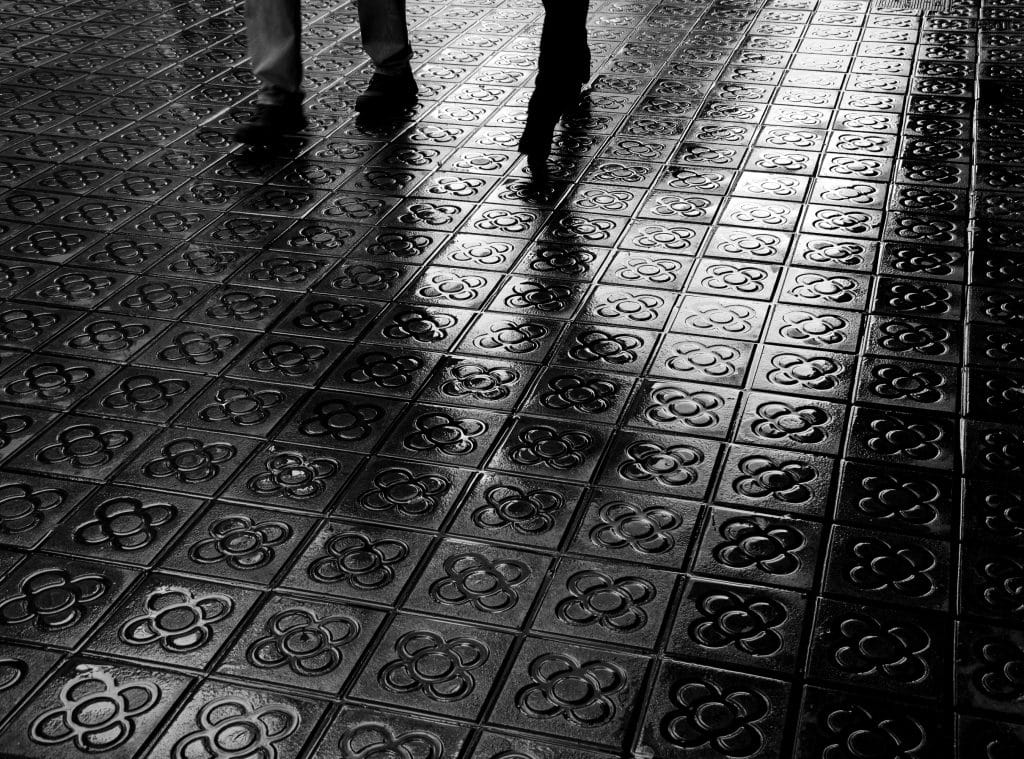
This initiative expands on the strategy launched by the City Council in 2022, when a call for proposals was issued to renovate Barcelona’s classic “panot” paving stones using reused materials. This time, the renovation goes beyond the surface of the sidewalks and extends into the inner layers of the asphalt and roadways.
To carry out the design, testing, and monitoring of the pavements, each of the winning teams will receive a grant of 90,000 euros. According to municipal estimates, this grant provided by the city council will cover approximately 80% of the total cost of the projects.