We suppose it’s every chef’s dream journey: turning your family restaurant and rotisserie in a small town into the smallest Michelin-starred restaurant in Europe (Capritx only had four tables), then helping you create a high-end restaurant in the lobby of a luxury hotel and earn a star with it (Aürt), then closing it and opening a similar venture, but one more geared towards the general public. Or, to put it another way, going through all the stages of cooking with your knife and your ideas as your argument.
That’s Trü, the new venture from Artur Martínez, who, while waiting to see what will happen with Aürt, continues to play with his name to create restaurants that reflect his ideas about food. Tru’s idea? Traditional Catalan food cooked over charcoal and thoroughly reimagined, but still recognizable and at a price that is not that of a rotisserie, but neither is it, by any means, that of a Michelin star.
Rotisserie dishes: Trinxat waffle and cap i pota omelet
 Source: David León Himelfarb
These are perhaps the dishes that best define the restaurant. Catalan cuisine that is recognizable but reimagined. The idea of the trinxat waffle is a good one: if the interesting thing about a dish is the crispiness of some of its parts when it goes through the pan, why not increase the crispy surface? That said, we would reduce the demiglace sauce that bathes the dish (a constant on the menu), so that the truffle and vegetables can express themselves better.
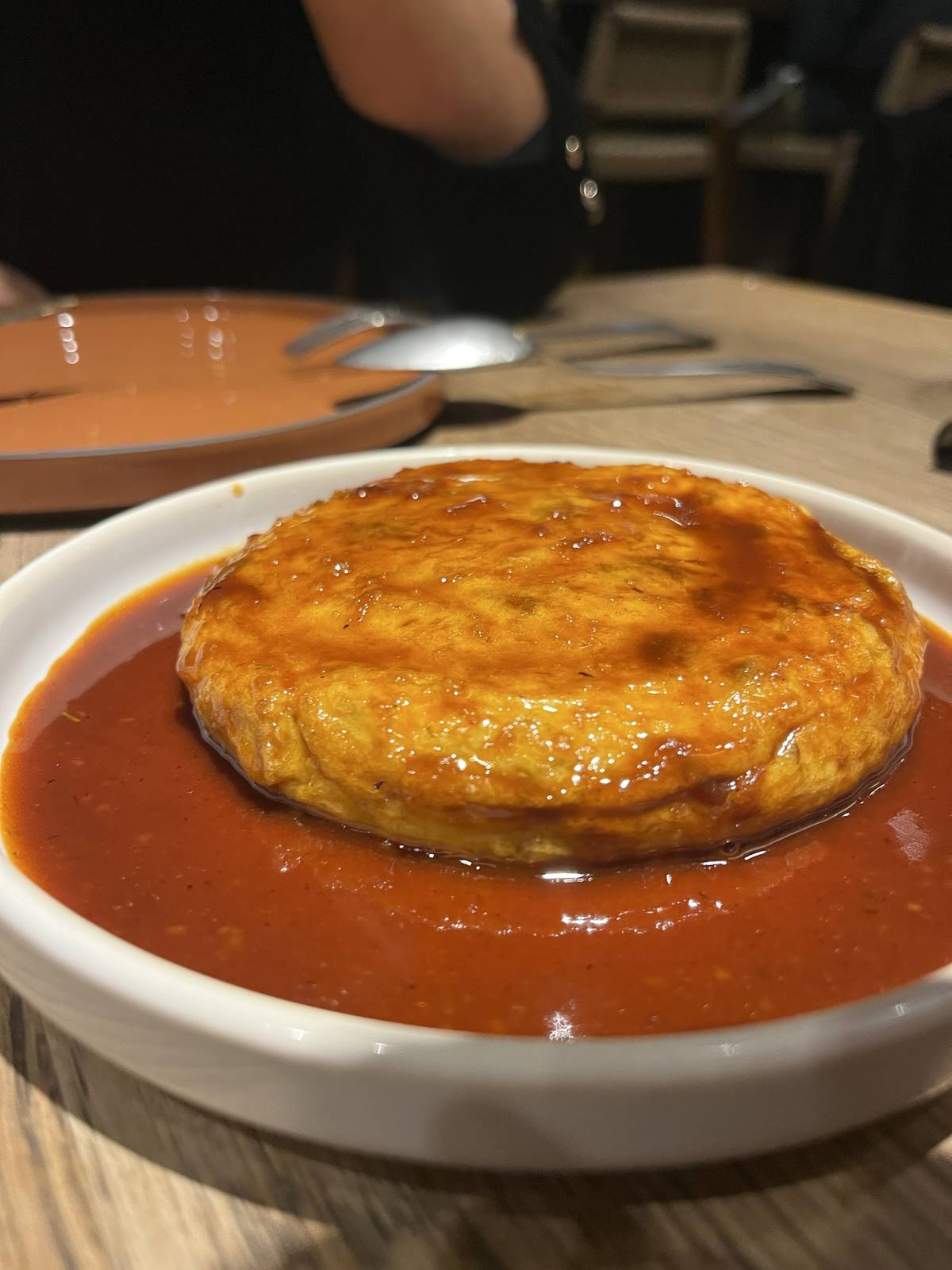
The cap i pota omelet is quite memorable. An omelet filled with foam, barely closed, with an interior almost like flan, filled with cap i pota meat and bathed in the juice of the stew, a tribute to the truita amb suc. Tasty, powerful, and a synthesis of the restaurant.
The other star dish, a synthesis of the restaurant and, in our opinion, the best on the menu that we tried, is among the desserts at the end of the menu: a coca de llardons ice cream that is worth the visit alone. It defines itself: an ice cream with the flavor of a bakery dessert, topped with crispy llardó and pieces of coca that add fun to the bite in the middle of the ice cream. A 10 out of 10.
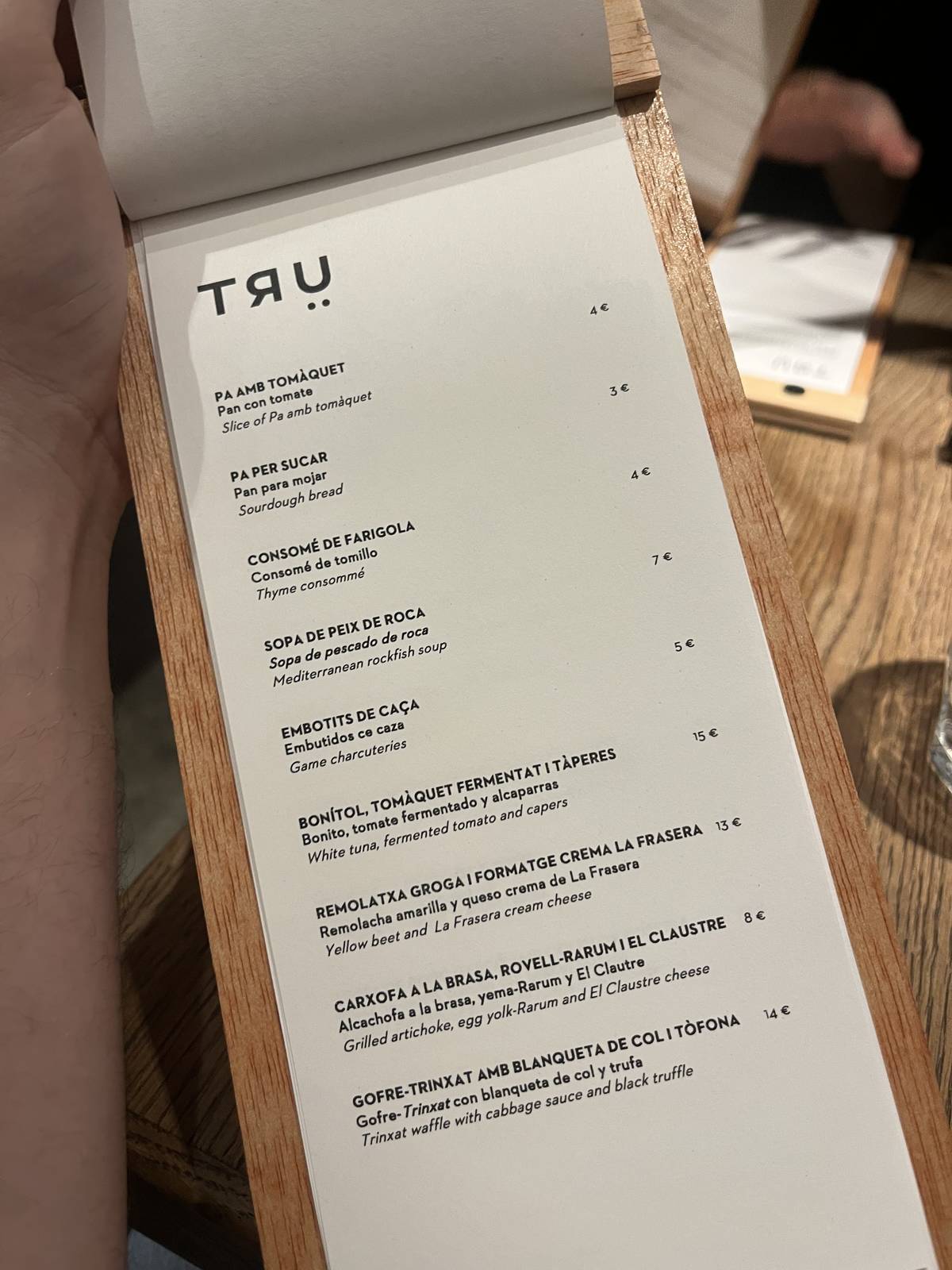
Along the way, there are details that you need to know about in order to order them. A vermouth and a homemade version of vi bullit, a homemade garum that barely perfumes the artichoke with egg yolk and cheese, a fricandó of tongue cut into perfect cubes that end up looking like bonbons… The food is very similar to the interior design and architecture; there are very complex solutions invisible to the eye whose aim is to make the final product work and make you feel happy. The more of these invisible details there are behind the dish, the closer we are to haute cuisine.
From Michelin to the tavern
 Source: David León Himelfarb
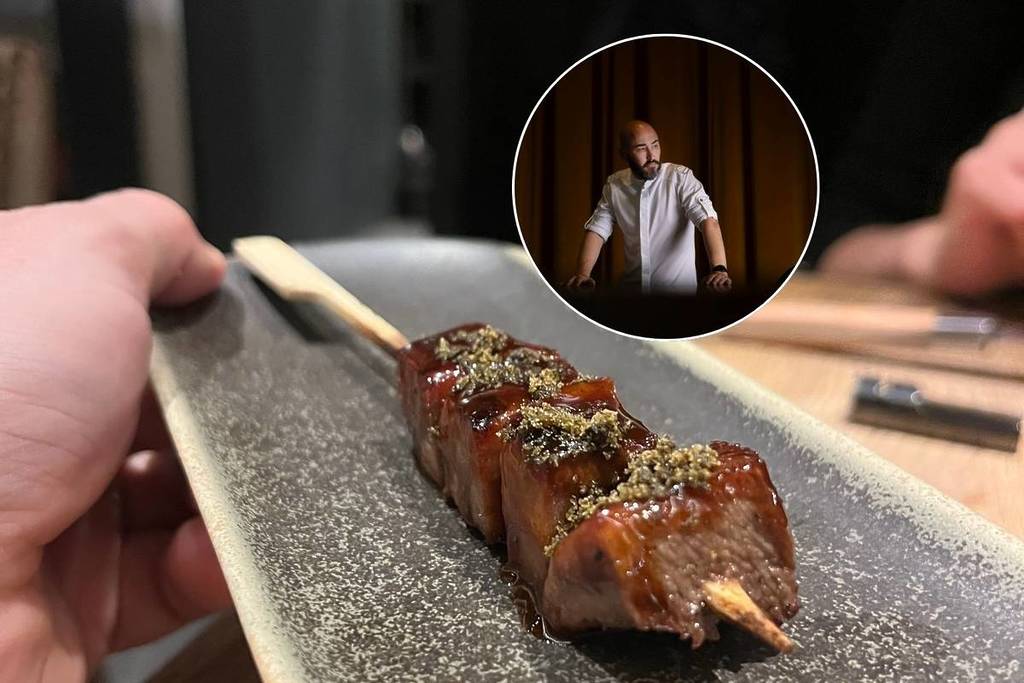
The other memorable dish is the sweetbread, which is cooked over charcoal at a low temperature, a technical delicacy that allows the sweetbread to be cooked to perfection and infused with a smoky flavor, in contrast to the deep-flavored sauce that gives it a stew-like taste.It’s normal for them to be in control: the dish was already at Aürt and the team that prepares it, almost everyone at the new Trü, is also there.
That’s why the place is running smoothly in just two weeks and the service is impeccable. That’s also why it’s so demanding: the dishes are constantly changing, and although there are some regulars, there are currently proposals and details that have been changing to adjust the ideas of a Michelin-starred team that now cooks a menu with a price tag of around €60.
And although Trü defines itself as a gastronomic tavern, this is not true: the restaurant occupies the premises where Palo Verde used to be (with a menu—grilled meats, skewers—that was even remotely similar) in the Eixample derecho (the Eixample of restaurants), and that price range distances it from our idea of a tavern, turning it, instead, into an upscale restaurant where you can go to see a team that thinks of ways to fit Michelin forms and ideas into tavern dishes. We’ll keep an eye on them.