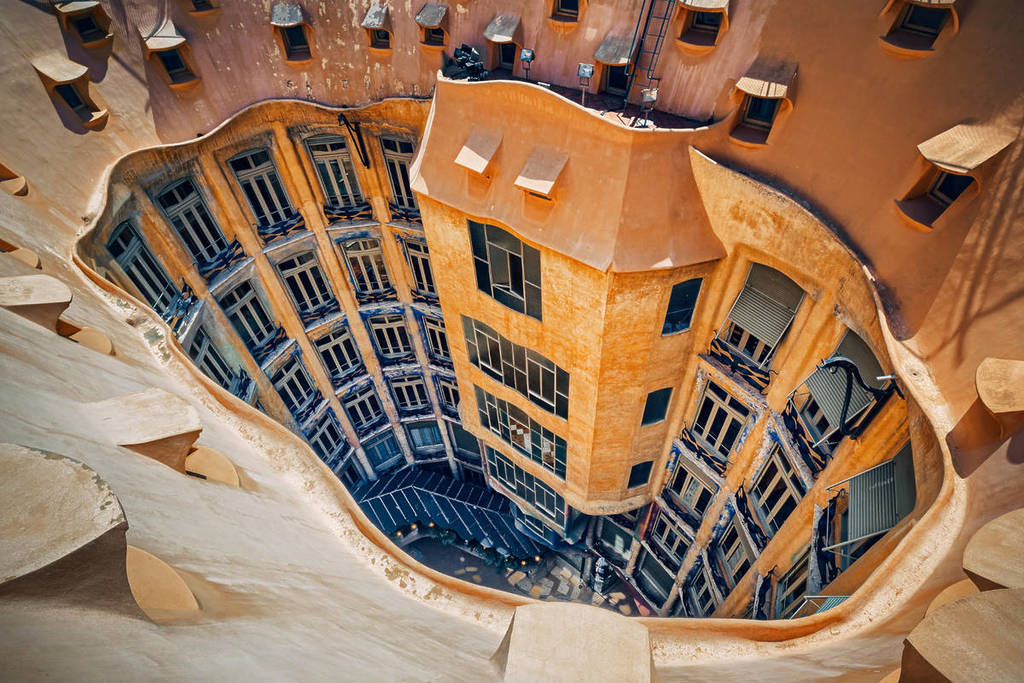
Barcelona is preparing for a historic 2026. The city has been designated World Architecture Capital, an event that will make it the global forum for debate on urbanism, sustainability and heritage.
From February 12 (Santa Eulàlia) to December 13 (Santa Llúcia), a program will fill every corner of the city, the 10 districts, with multiple activities, some of which have not yet been revealed. The Catalan capital will take over from Copenhagen 2023.
The event, promoted by the Barcelona City Council, the Generalitat de Catalunya and the Ministry of Housing and Urban Agenda, has a budget of 11 million euros and the collaboration of more than 170 entities.
To date, more than 200 projects have been submitted, which will result in more than 1,500 activities for all audiences. The program will be spread throughout the ten districts of the city, with the idea that each month one of them will be the protagonist, making known its architectural peculiarities and its vital rhythm.
In addition to the extensive program, Barcelona will host the World Architecture Congress of the International Union of Architects (UIA) from June 28 to July 2. Three decades after the 1996 edition, the Catalan capital becomes the only city in the world to repeat as the venue for this professional event.
A giant model and ten new facades
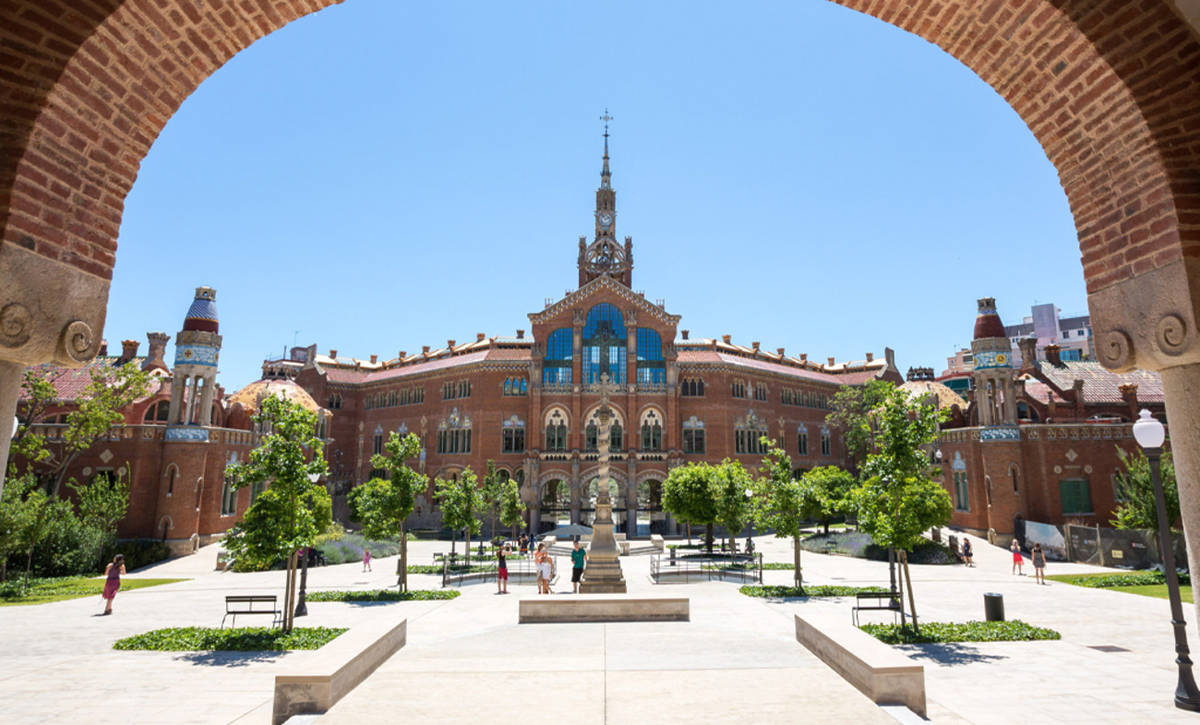
Beyond the debates and exhibitions, the World Architecture Capital intends to leave a tangible and lasting legacy in the city. This will take the form of a large-scale model of Barcelona, which will be built to understand the complexity and evolution of Barcelona’s urban fabric.
Also, through an international competition with 439 proposals from 51 countries, ten party walls will be rehabilitated (one per district), transforming them into new facades that will not only enrich the urban landscape, but also improve the sustainability and habitability of the buildings.
Preview of the program
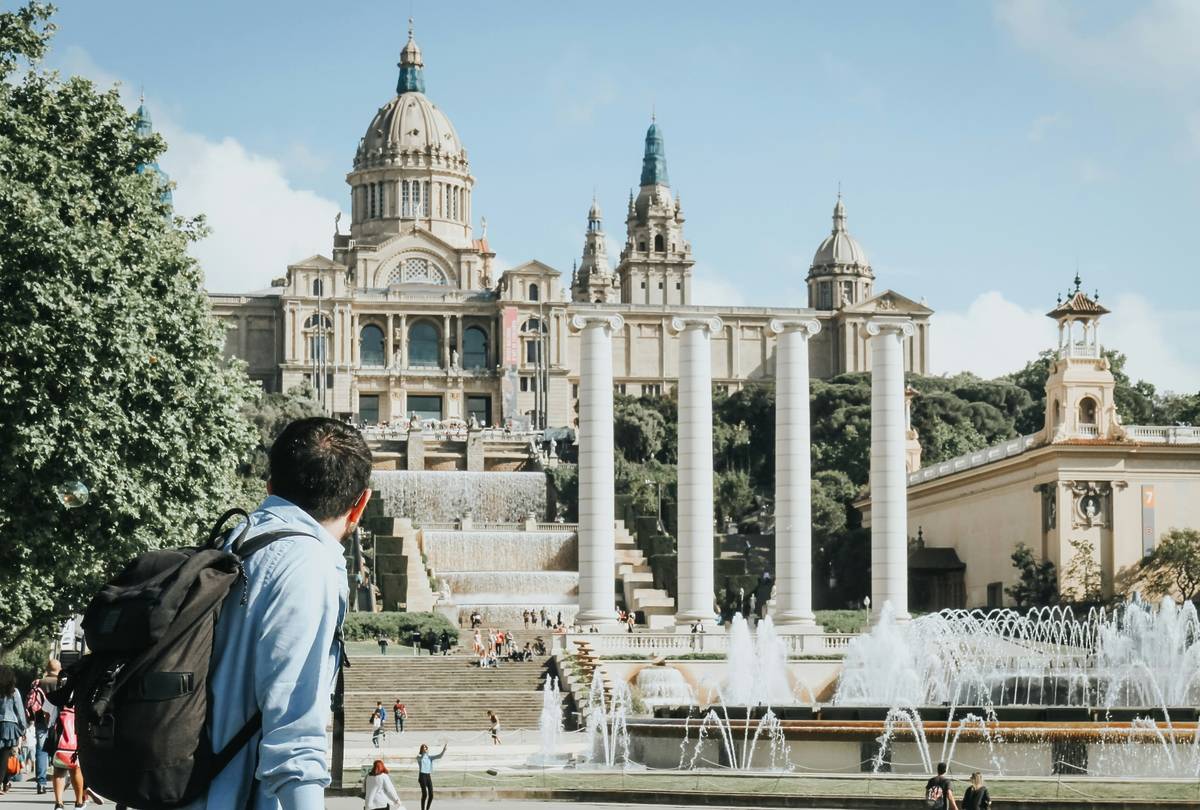
Although the list is still pending official confirmation, some of the most outstanding proposals have already been announced:
- Must-see exhibitions: the former headquarters of Editorial Gustavo Gili will be a focal point, hosting the large scale model and the exhibition Barcelona en transformació. 2035. Other museums will host exhibitions of painters such as Picasso (exploring his relationship with architecture), Jujol or Rubió i Tudurí, as well as retrospectives such as Seny i rauxa. 150 anys d’arquitectura catalana.
- Routes and visits to discover the city: Proposals such as Open Barri (by the 48h Open House team) will focus on neighborhoods outside the usual cultural circuit. There will also be tours to discover the most innovative wooden architecture or immersive installations to understand the buildings “as a living body”.
- Workshops and conferences: Cycles will be organized to give voice to the new generations of architects, such as Novíssims, and extracurricular programs such as La ciutat que volem, where children will imagine and build the Barcelona of the future.