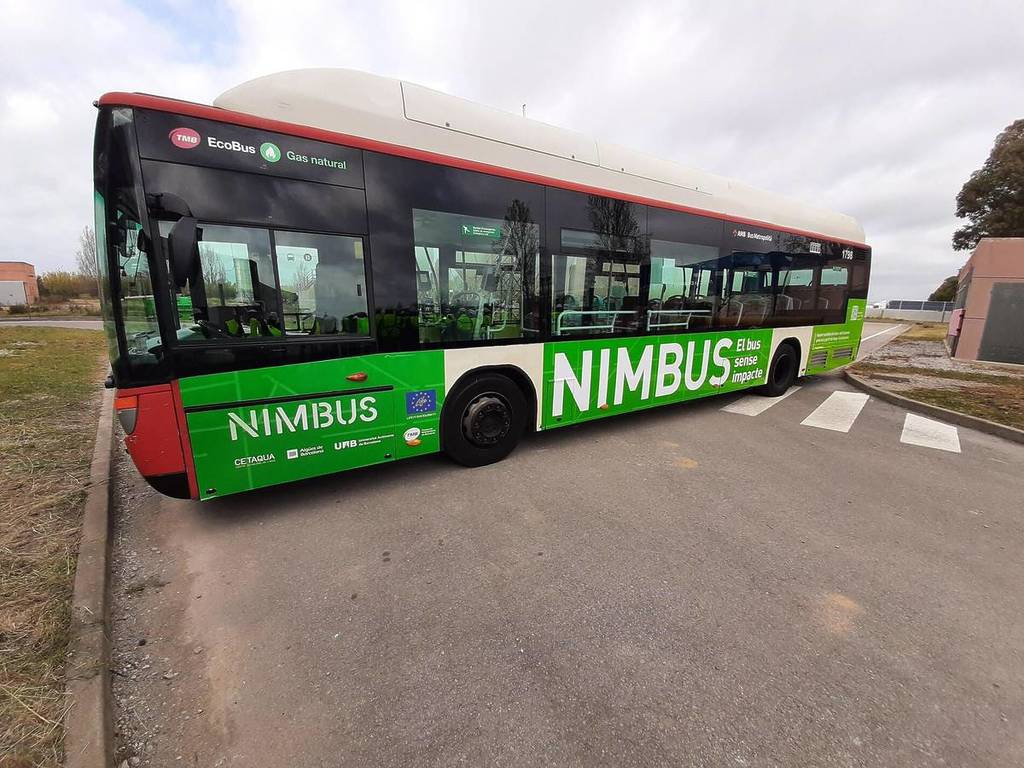
If you have ever boarded a V3 bus, you may have unknowingly ridden in a science fiction vehicle. For the past five years, one of their buses has been running on a very special fuel: renewable biomethane produced from human sewage . Or, to put it another way, gasoline made from sewage.
The vehicle, christened Nimbus, travels more than 14,000 kilometers a year without using a single drop of fossil gas. According to its promoters, this means an 80% reduction in the carbon footprint compared to a conventional bus, demonstrating that the circular economy can also move Barcelona’s public transport.
How sludge is transformed into gasoline
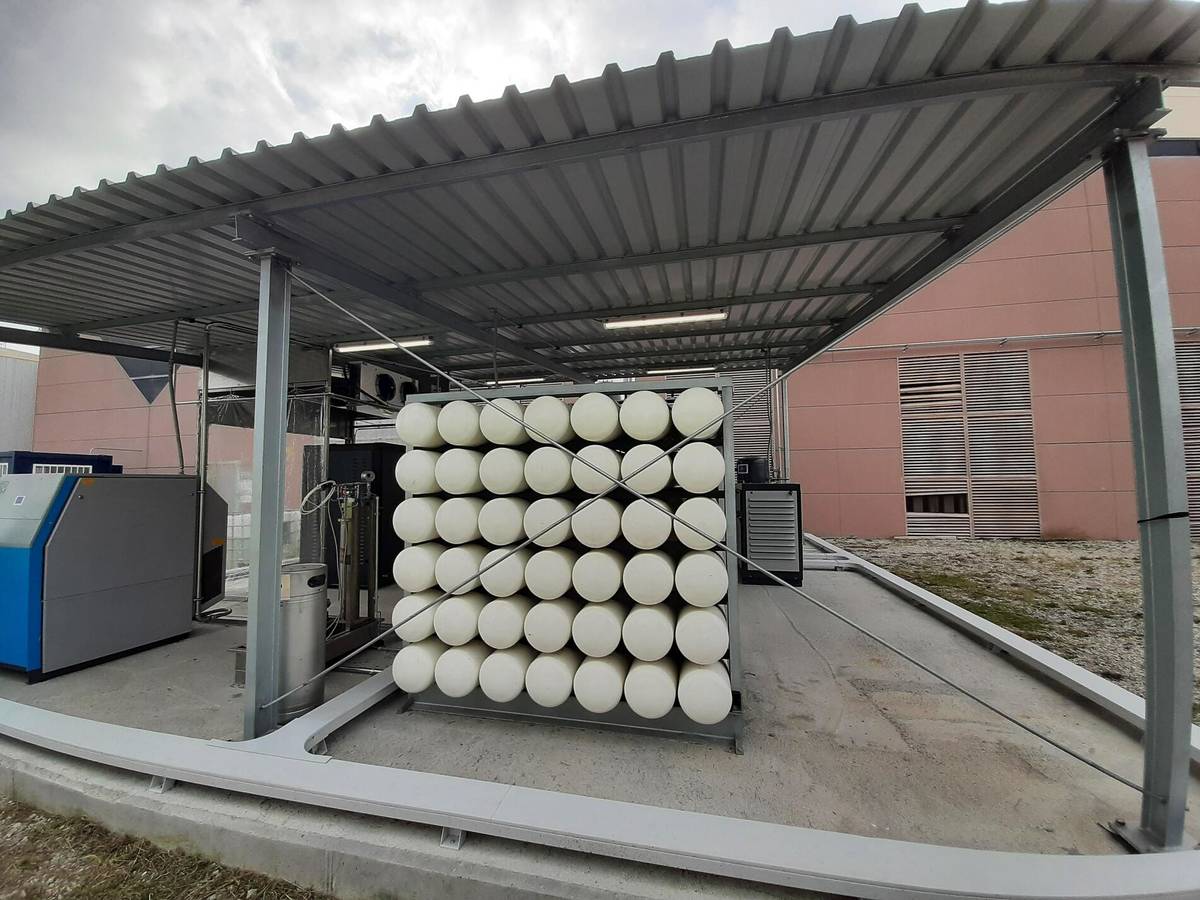
The LIFE NIMBUS project, a pioneer in Europe, is the result of collaboration between Aigües de Barcelona, Transports Metropolitans de Barcelona (TMB), the Universitat Autònoma de Barcelona (UAB) and the Cetaqua technology center.
The key is the Baix Llobregat wastewater treatment plant, which treats more than 400,000 m³ of wastewater per day. While 95 % of the water is reused, the sludge is transformed into biogas. That biogas, initially 65 % methane and 35 % CO₂, is upgraded thanks to power-to-gas technology: combining CO₂ with renewable hydrogen yields almost pure biomethane, suitable for natural gas engines.
Although electric buses are leading the transition in cities, they still present challenges in terms of autonomy and capacity on long journeys. There, biomethane is gaining ground. “Nimbus has provided us with key knowledge to decarbonize Barcelona’s fleet,” says Mario Canet, head of Innovation at TMB, who also points to its possible application in freight transport.
From experiment to European model
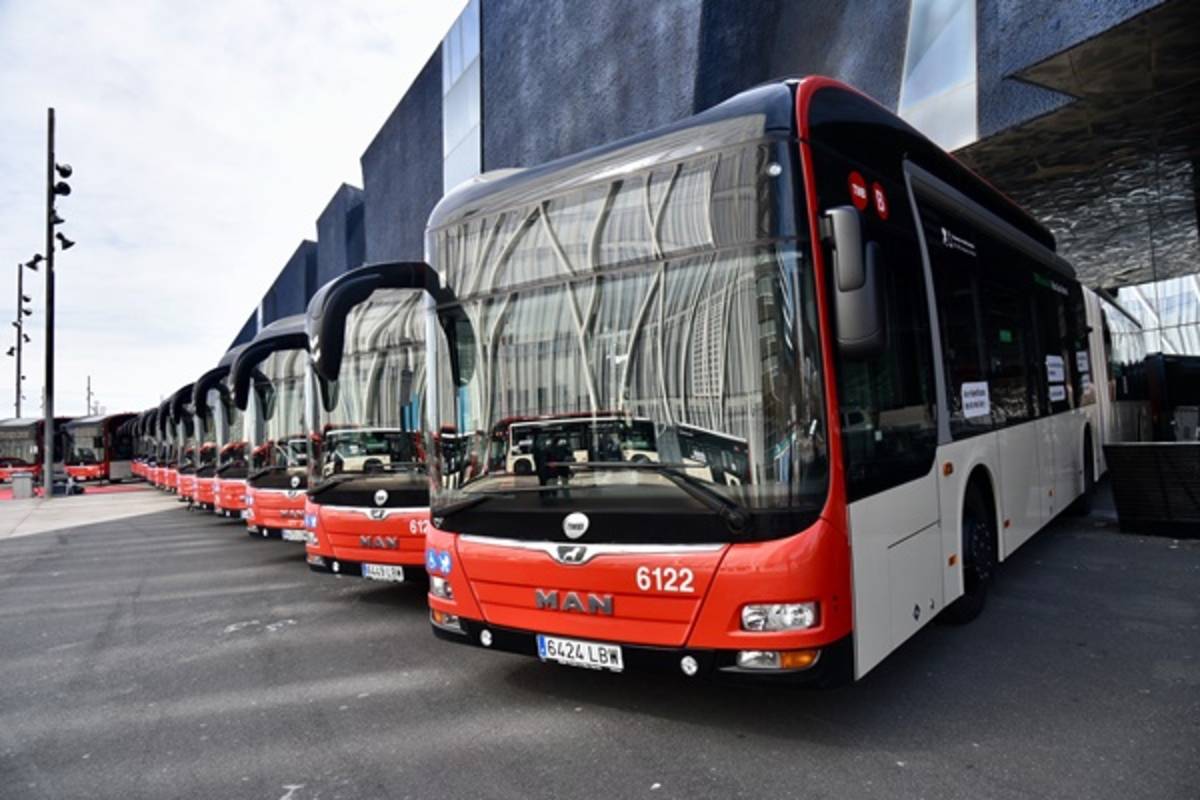
The success of Nimbus has opened a new phase : the SEMPRE-BIO project, with a budget of more than 11 million euros, seeks to extend biomethane production to more bus lines and reduce operating costs.
This is no small challenge: in the European Union, transport accounts for almost 30 % of energy consumption, but less than 10 % of fuels are renewable. Brussels wants this figure to exceed 30 % by 2030, and Spain has already committed itself to quadrupling its domestic biogas production.
In short, the Nimbus bus is not just a curiosity: it is a window into the future of urban mobility, where today’s waste can become tomorrow’s clean energy.