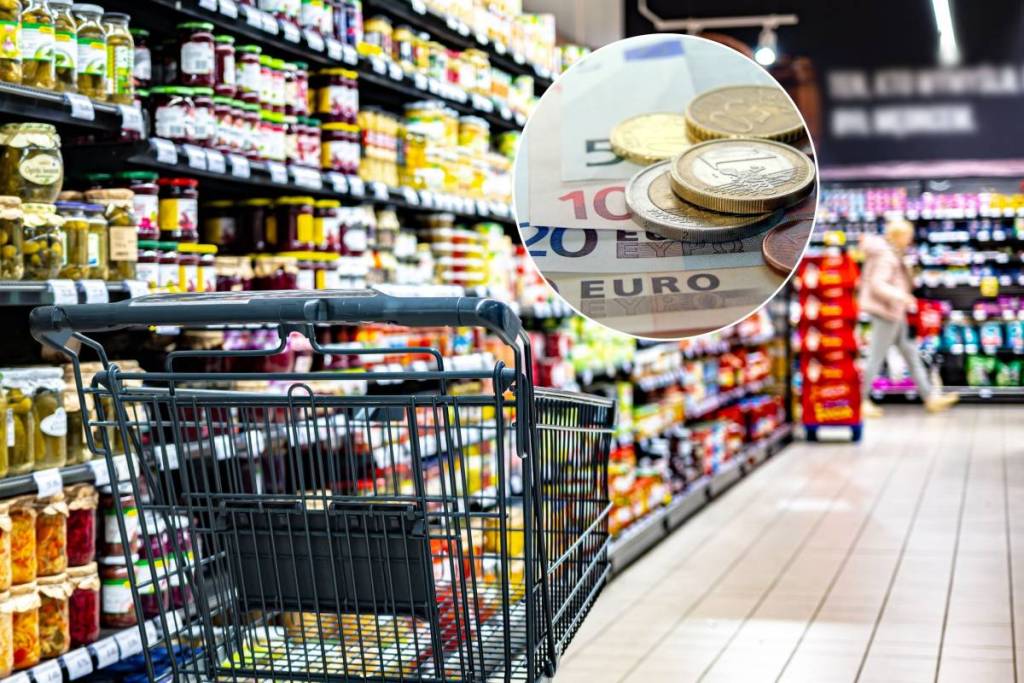

It’s happened to all of us: you go to the supermarket, put the same items you always buy in your cart, but when you get to the checkout, the price is considerably higher. No, it’s not a machine error, and it’s not that you’ve gone overboard with your purchases: grocery shopping is getting more expensive every day. This is a relatively normal phenomenon—inflation rises every year, and with it, the cost of living… the problem arises when wages don’t keep pace.
A few weeks ago, the Organization of Consumers and Users (OCU) presented a study on the rise in supermarket prices in October 2026. In September, prices rose 0.3% compared to the previous month, but the problem isn’t this “small” increase—it’s the cumulative effect over the last ten years.
Grocery shopping costs €1,750 more per year than it did in 2016
According to data from the OCU itself, in 2016 Spanish households spent an average of €4,850 per year at the supermarket; 10 years later, that figure has reached €6,600—a total increase of 36% (about €1,750). In other words, we’ve gone from spending an average of €404 to €550 per month at the supermarket.
However, the average wage has risen by only 27.6%: from €23,156 to €29,540 gross (according to data from the National Institute of Statistics). That’s a percentage difference of nearly 8 points—and it really makes a difference at the end of the month.
Furthermore, this rise in prices is even more pronounced for basic necessities. Based on data from the OCU and the INE, we’ve made an estimate, and this would be the percentage increase for the following food items:
- The price of bread has increased by 33% compared to 2016.
- Eggs cost 86% more.
- Potatoes: up 52%.
- Beef: up 62%.
- Pork prices are up 46%.
- Chicken prices up 41%.
- The price of milk has risen by 49%.
- Fresh fruit prices have risen by 55%.
- Fresh legumes and vegetables have gone up by 63%.
- And the price of fish has risen 50% more than it did a decade ago.
Some studies link this general increase in prices for basic and healthy products to the consumption of ultra-processed foods and, ultimately, to a rise in cardiovascular diseases.