Barcelona has a B-side that doesn’t appear on the postcards of Paseo de Gracia. It is a city of tunnels, water tanks, and treasure troves that are normally locked away for security or purely logistical reasons. However, 2026 is not just any year: the city holds the title of World Capital of Architecture and, under this umbrella, the 48h Open House Barcelona festival has decided to revive its most mystical cycle, Hidden Spaces, integrating it into the Open Barri program.
The proposal is as tempting as it is exclusive. It’s not a matter of queuing up and entering, but rather restricted access, which is debuting a new format this year. To avoid the drama of crashed websites and ensure that everyone has the same opportunities, the organization has implemented a lottery system. If you want to delve into the bowels of the city or cross bridges that are usually off-limits, you’ll have to sign up between February 4 and 11 via the official website.
A storehouse of relics and bridges steeped in history
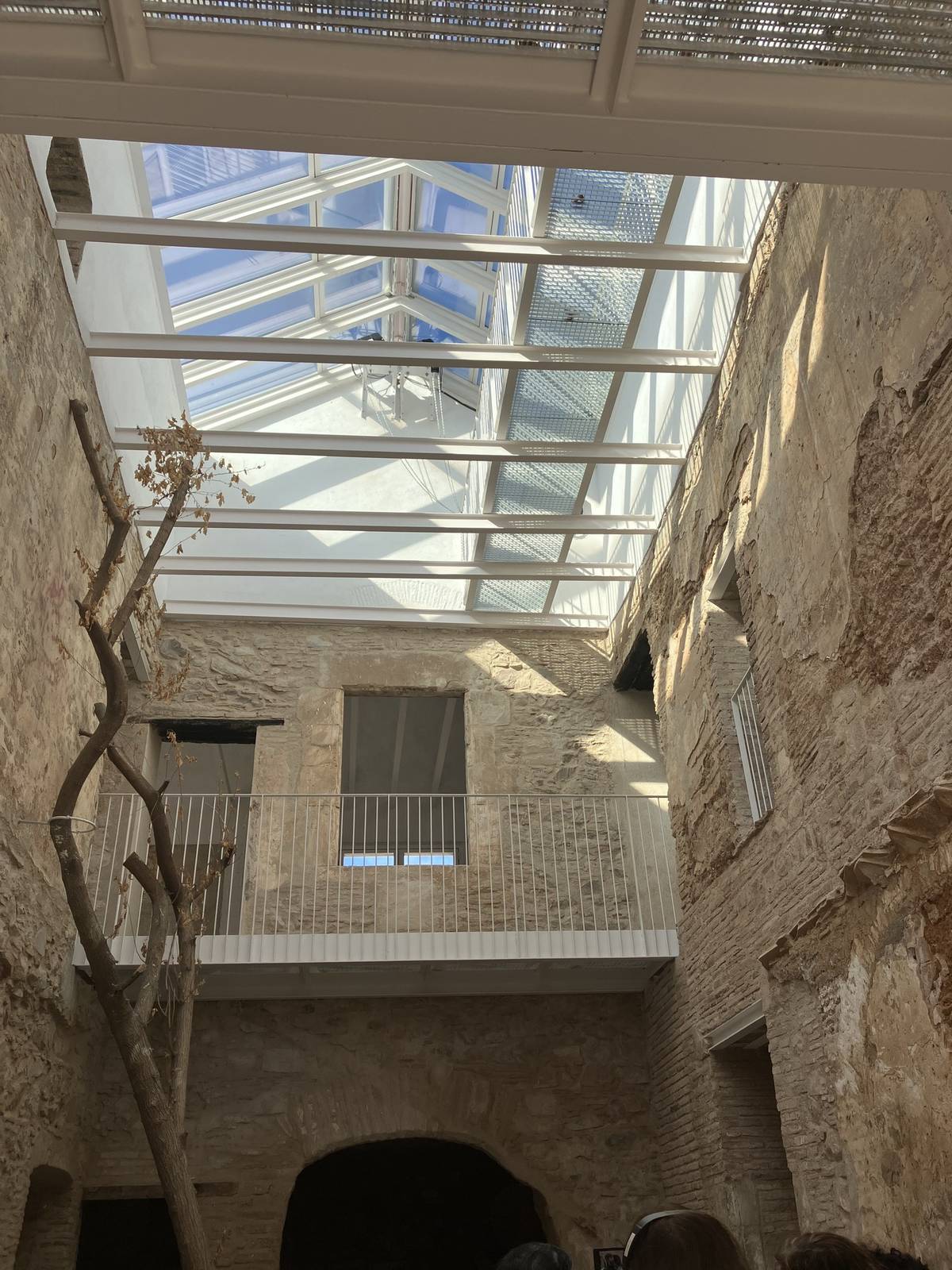
This year’s selection is a journey through engineering and lesser-known heritage. One of the highlights is the Magatzem de Patrimoni Canyelles. Imagine a place where pieces of Barcelona’s history that don’t fit in museums or are waiting to be restored are stored, from the remains of statues to old street furniture that tells the story of who we were. Visits will take place on Monday, February 16 and 23 in the afternoon.
For lovers of water architecture , the must-see event is the Trinitat Distribution Station (ATL) on Wednesday, February 18. It is a golden opportunity to understand how water reaches our taps from an imposing infrastructure, a vital logistics hub for the city that survives under the Trinitat junction. On Saturday, February 21, you can discover the Pont dels Tres Ulls, an old railway bridge that is now semi-hidden but is key to understanding the urban evolution and industrial past of the Besòs neighborhoods.
The secrets of Nou Barris and private passages
The program places a special focus on the northern part of the city, where architecture becomes functional and epic. Historic aqueducts will take center stage in Ciutat Meridiana (Saturday, February 21) and Torre Baró (Wednesday, February 25). These stone giants, such as the one in Baix Vallès, reveal the engineering required to supply a rapidly growing Barcelona in the 19th century, crossing ravines and connecting neighborhoods that today seem worlds apart.
But if you are looking for something more intimate, on Sunday, February 22, the private passages of the architect Millàs and Santa Eulàlia will be open. These corners are small bubbles of peace and design projected at the beginning of the 20th century, where Modernism and Noucentisme were applied to everyday life. These streets belong to the private sphere and, for one day, allow the curious to peek in and understand why Barcelona’s architecture is the subject of international study.
Guide to key spaces and dates:
- Magatzem de Patrimoni Canyelles (February 16 and 23): The official “storage room” of the city’s history. A giant archive of artworks and archaeological remains that are not on display. Located in Nou Barris.
- ATL Estació Distribuïdora Trinitat (February 18): A technological cathedral of water. It is the nerve center where the supply for a large part of the metropolitan area is managed.
- El Pont dels Tres Ulls (February 21): A hidden gem of civil engineering that was used for the passage of the railway and is now a silent testimony to Vallbona’s railway past.
- Aqueducts in Ciutat Meridiana (February 21): A tour of the old water channels that navigate the complex terrain of the neighborhood, combining functionality and history.
- Private passages of Manuel Joaquim Raspall y Millàs (February 22): Small urban gems hidden in Sants-Montjuïc that retain the charm of Barcelona a century ago.
- Aqueducts in Torre Baró (February 25): A tour to understand how water crossed the mountain through structures that today look like Roman aqueducts but are much more recent.