No, it is not in the Gothic Quarter. We are all familiar with the medieval jewels hidden in the center of Barcelona the town’s architecture and the beauty of its stone buildings are hundreds of years old. And although we often do not know if these high stone walls hide palaces or orchards, today our steps are directed to the upper part of the city, where another medieval jewel has won a prestigious European award.
It is the medieval orchard of the Royal Monastery of Santa María de Pedralbes which has been selected as one of the 10 best practices in cultural heritage at European level by the European Heritage Hub, a pilot project financed by La Unión to promote the transition to a sustainable, digital and inclusive society.
Projects for the Verde transformation of cities
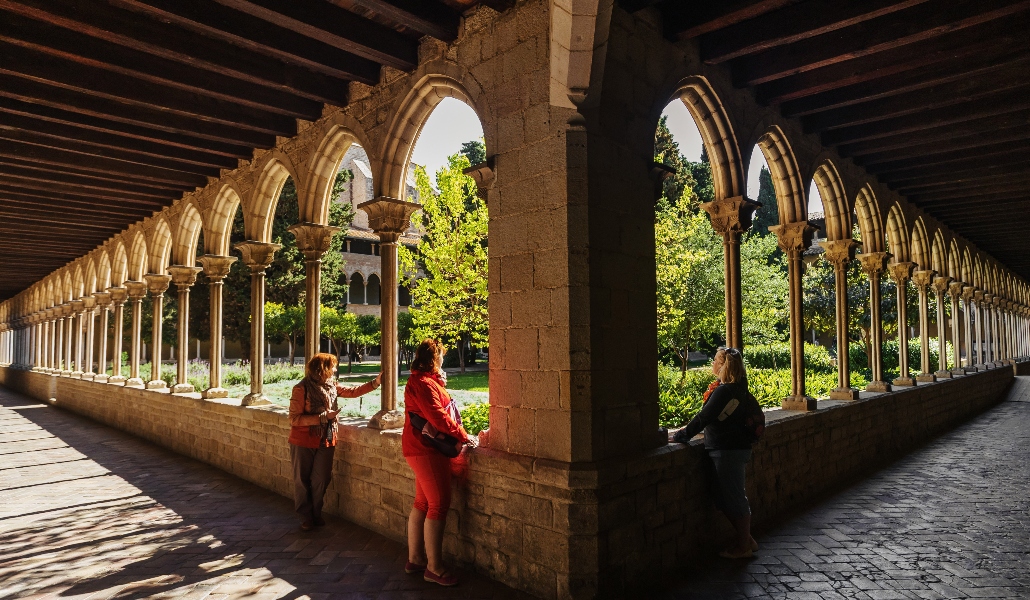
The European Heritage Hub Awards are awards with which the EU selects exemplary initiatives in the field of cultural heritage that contribute to the Verde, digital and social transformation of cities. The 10 selected projects stand out for being innovative proposals to address local challenges and present alternatives to global challenges, as well as for their potential to influence policy solutions.
The organization places special emphasis on those practices that promote the Verde transition and collaborate with social entities. The selected initiatives will be featured in a series of 10 European Heritage Hub articles in the coming months. Likewise, all initiatives will be presented in 4 webinars.
A “hort petit petit” with medieval fruits in the middle of town
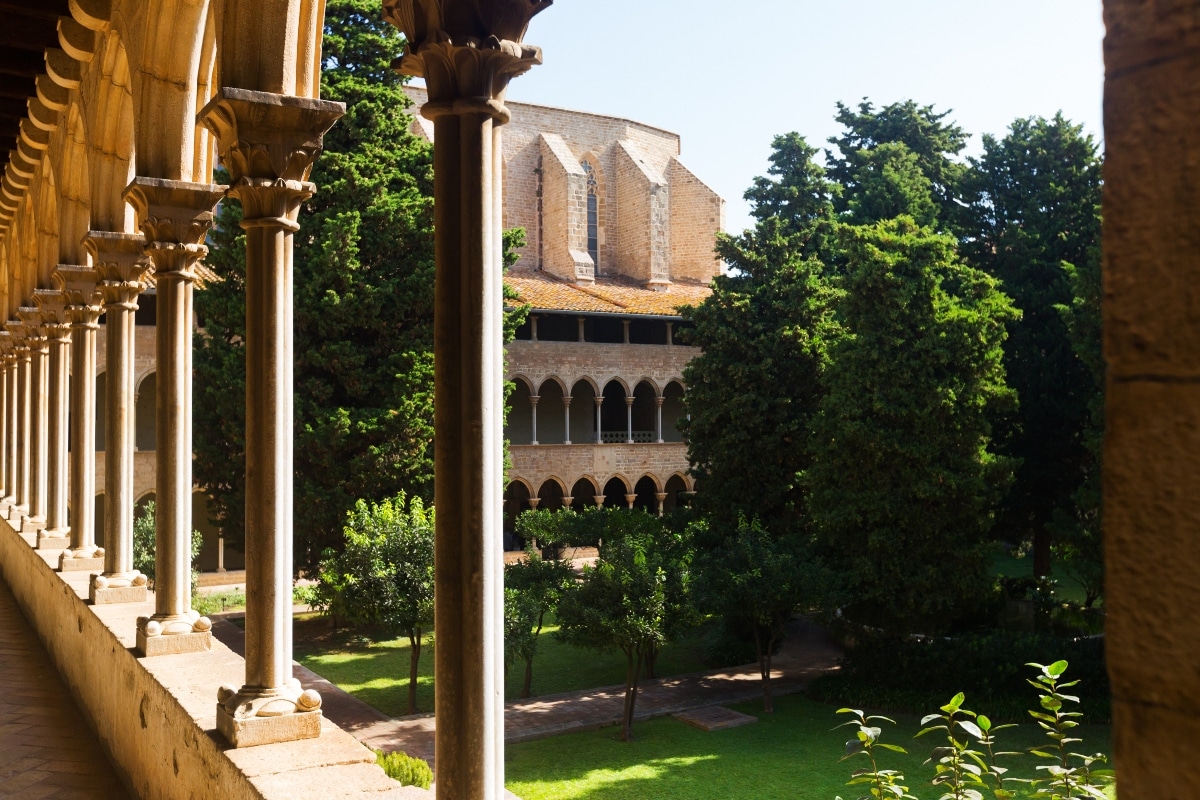
The “Hort Petit” of the Monastery, as the nuns call it, is a walled enclosure of almost 3,000 square meters of cultivation located on the south façade, in the space where the harvest was kept. In 2017 the Monastery Museum initiated a project to recover the original use of this space, with the aim of reconstructing an orchard of four plots as it might have been during the Middle Ages.
The medieval orchard project is considered historical because it aims to cultivate species typical of Medieval Europe. In addition to an orchard, it is also a laboratory for experimenting with the cultivation techniques of the time, a learning classroom and an environmental protection space that promotes environmental culture, the increase of the city’s green space and the recovery of spices.
The recovery of the orchard from a historical perspective has involved an exhaustive study to determine the species to be planted, which has involved the consultation of medieval documents kept in the archive of the Monastery itself and the agricultural treatises of the time where the species and cultivation techniques during the Middle Ages are collected.
Two entities specialized in the care of people with intellectual disabilities and autism are currently participating in the project. The tasks performed by the garden participants are those related to the life cycle of the vegetables from planting to harvesting.