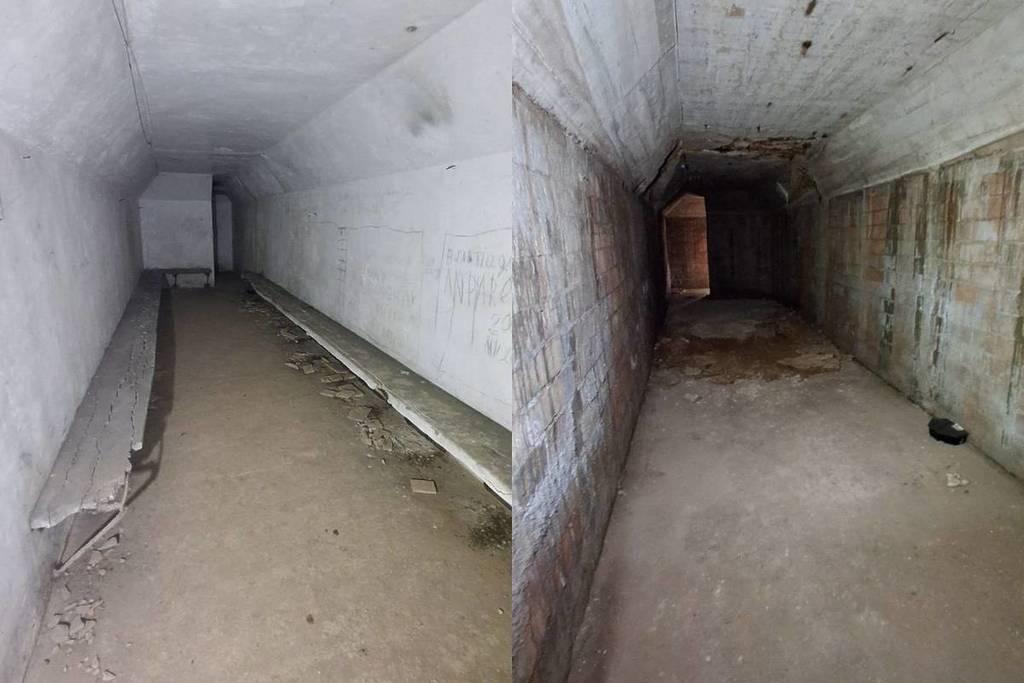
The archaeological works related to the construction of the future La Sagrera high speed station. La Sagrera high speed train station have revealed an air raid shelter from the Civil War that had no documentary evidence and that did not appear in the census of public shelters in 1938.
As reported Tuesday by the team responsible for the excavation, the structure has been located in the area around the street Baixada de la Sagrera. Like other constructions of the time, the construction is of bunker type and presents an “exceptional” state of conservation.
The discovery was made during the earthworks directed by the archaeologist Joel Blanco, from the company Abans. The shelter, of a private nature, served the old Sagrera freight station and connected subway the two buildings that flanked the entrance to the terminal: one already demolished and the other that currently houses Adif offices.
This bunker joins another one discovered earlier this year and which can also be visited in the Sagrera area.
It can support up to 100 kg bombs.
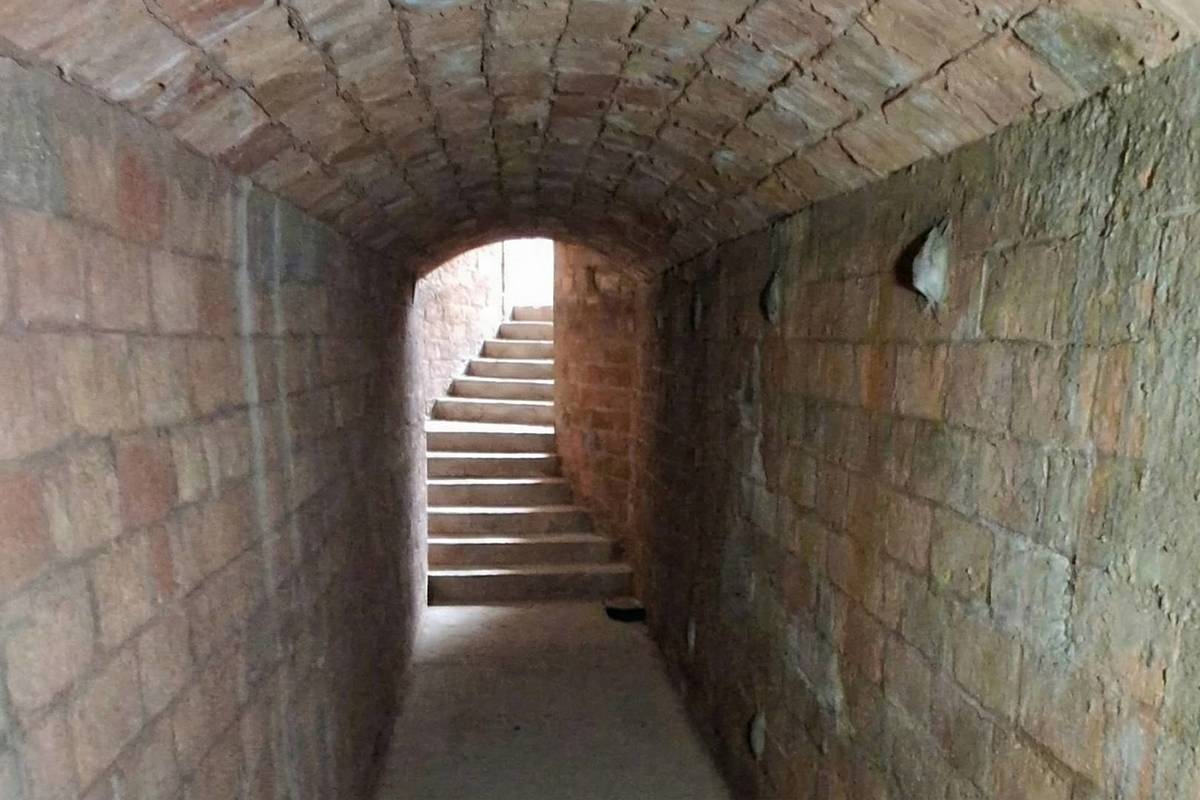
Unlike other Barcelona shelters, this structure was excavated in the open air and built with reinforced concrete. It has a two-meter-thick roof slab, specifically designed to withstand the impact of bombs weighing up to 100 kilograms.
Located about four meters deep, the shelter is approximately 90 meters long. Inside, it has two main galleries (2.50 meters high and 1.20 meters wide), four large rooms, four latrines and an additional space that could have been used as a warehouse or infirmary.
The interior preserves original elements of great historical value such as benches in one of the rooms and part of the original electrical installation, with ceramic wiring and lamp holders.
The walls have historical inscriptions, such as graffiti from around 1954 and graffiti with the initials of the CNT and FAI, corresponding to the period of the Civil War.
The former freight station, built by the MZA company, was a strategic logistical node collectivized by the CNT and the target of two bombings in 1937.
The structure is currently undergoing an exhaustive study and documentation phase using laser scanners to digitally preserve its characteristics. For the moment, it is not open to visitors.