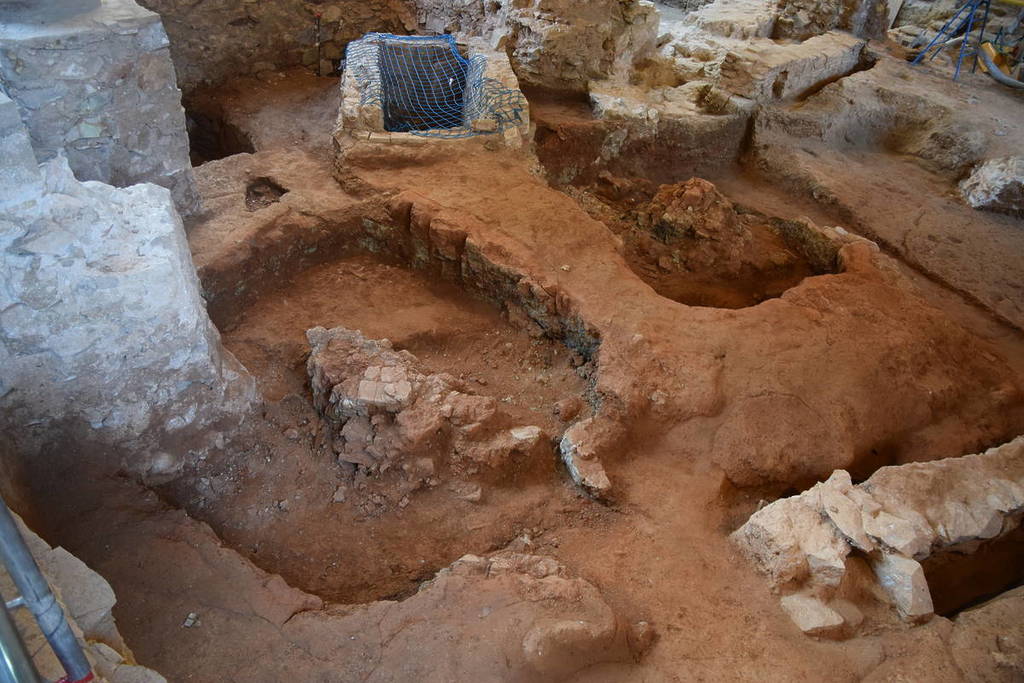
Barcelona has an almost magical habit of reminding us, every time we stick a shovel in the ground, that we are walking on layers and layers of living history. This time the setting was the Raval, specifically the Chapel of Mercy on Montalegre Street. What were supposed to be the foundation works for the new Raval Nord Primary Care Center (CAP) have turned into a luxury excavation that has brought to light seven centuries of uninterrupted occupation, from artisan production centers to the ins and outs of social assistance in the city.
The most surprising find takes us straight back to the 14th and 15th centuries. As was the case on Las Ramblas, long before this area became the heart of Barcelona’s welfare network, the subsoil was home to a specialized craft area. Archaeologists have documented two late medieval kilns, each about two meters in diameter, which still retain their central pillar and walls reddened by the extremely high temperatures they endured. This is physical proof that, at that time, the Raval was the industrial engine of the city, a space dedicated to the manufacture of ceramics and building materials that supplied Barcelona within the city walls.
A site with 700 years of history
 Source: Barcelona City Council
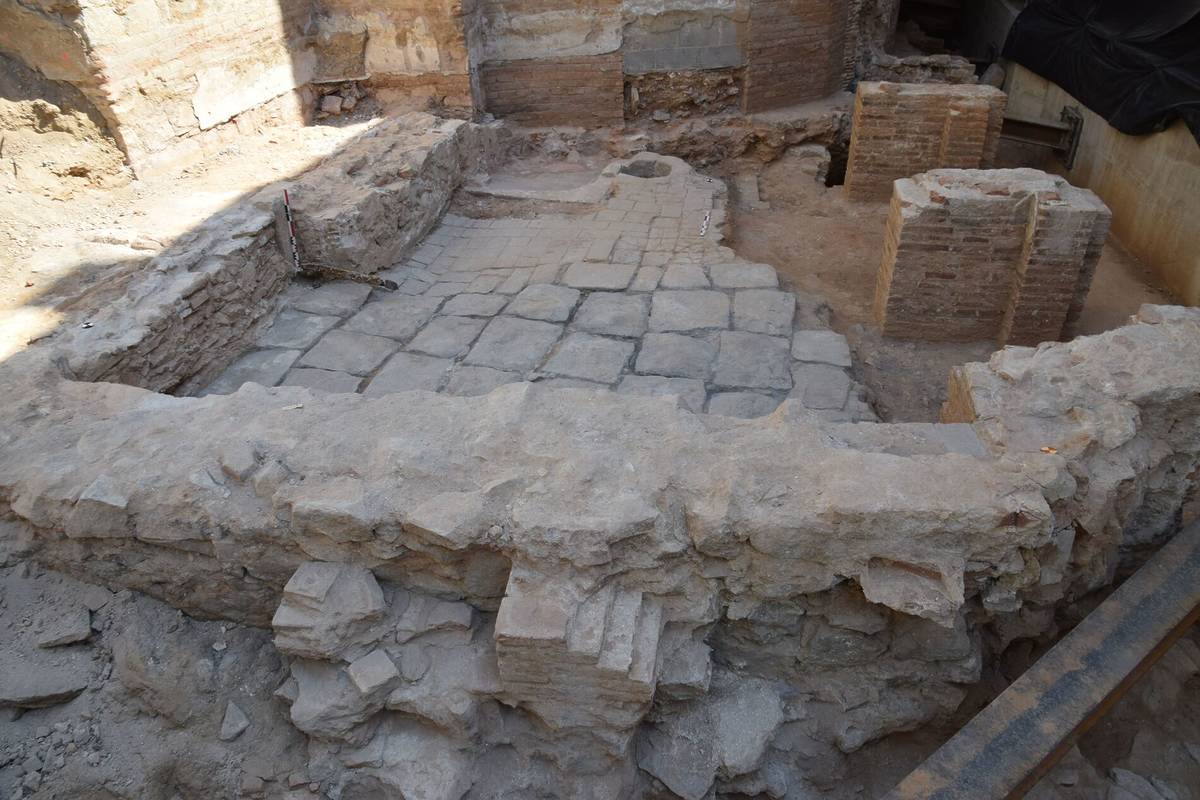
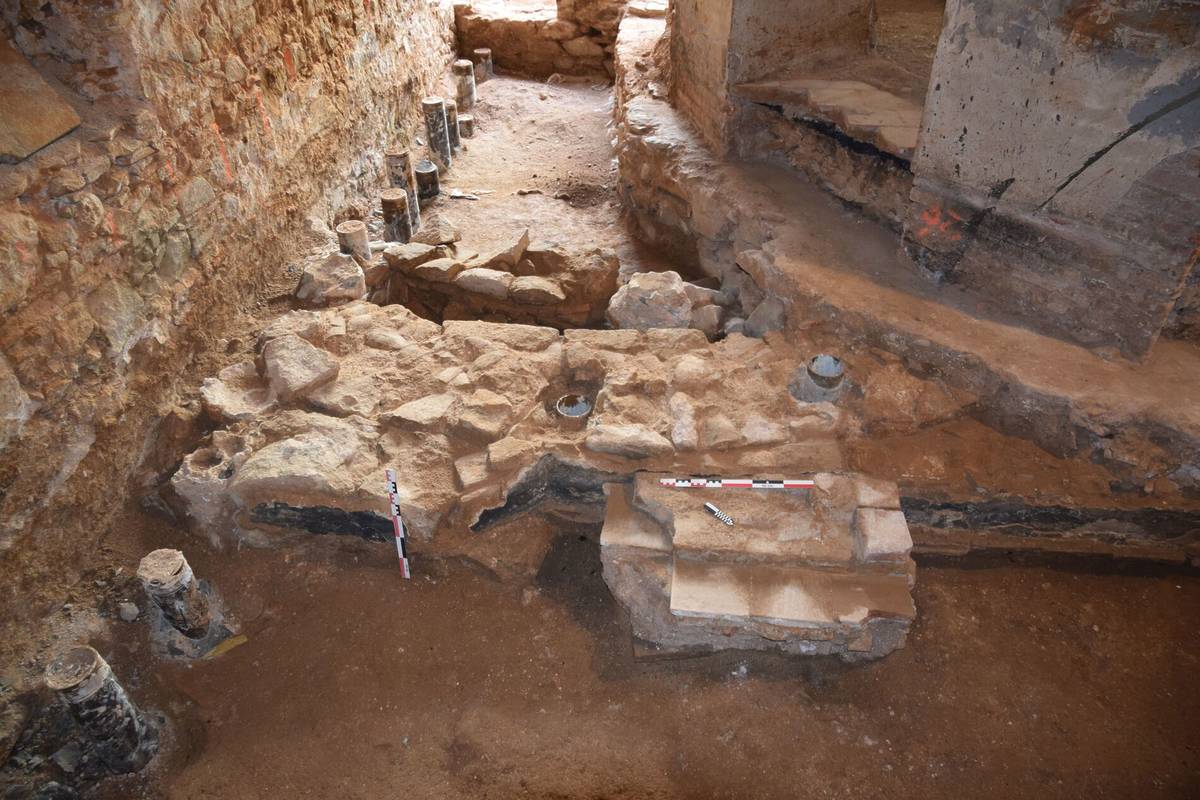
Over the centuries, the smoke from the kilns gave way to the murmur of the orchards and, finally, to the great transformation of the area into a welfare center. Between the 16th and 18th centuries, the site reveals the construction of a building that predates the great Casa de la Misericordia. Under the ground we walk on today, cisterns, fountain reservoirs, and a complex hydraulic system have been found, demonstrating how water management was vital to the functioning of these institutions.
One of the most fascinating aspects of the excavation is the old washhouse. Archaeologists have recovered the original flooring, drainage pipes, and even the benches where daily tasks were carried out. It is a perfect snapshot of everyday life in the old Raval, where a large ceramic “alfàbia” type container was used to keep liquids cool, and various cesspools tell us about the hygienic conditions of a complex that continued to grow.
A clinic with a view of the past
 Source: Barcelona City Council
The best thing about this discovery is that it will not remain buried under concrete. The architectural project for the new CAP Raval Nord, promoted by CatSalut, has been designed to preserve the Chapel of Mercy and integrate it visually into the new facility. In this way, heritage and health will go hand in hand: residents who come for their medical appointments will be able to contemplate a space that has served the community for more than 700 years, first as a factory, then as a refuge, and now as a health center.
The project, led by the CAT Arqueòlegs team, is still underway with around twenty specialists on site. As the bedrock has not yet been reached, it cannot be ruled out that even older remains may appear in the coming months , perhaps from the Roman era or the first agricultural settlements in the area. Barcelona, as always, has an ace up its sleeve (or under the asphalt) to continue surprising us.