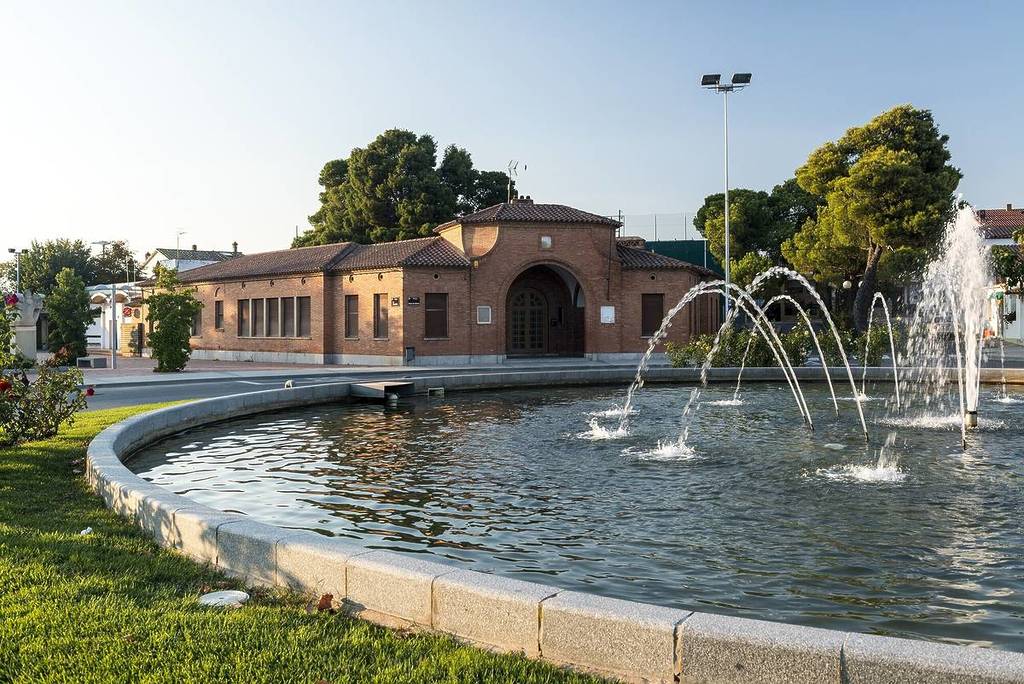
Can you imagine an entire village designed by the Gaudí school in the middle of nowhere? It exists, and it is not exactly in the Eixample. We are talking about Raimat, the modernist (and wine) jewel of Lleida that hides a secret: although everything in it reminds the genius of Reus, he never signed the project.
This is the story of how the dream of the Catalan bourgeoisie turned a desert into an architectural and wine utopia.
The miracle: from dry land to wine empire.
To understand Raimat, you have to travel back to 1914. What today are vineyards was, literally, a wasteland and desert in the middle of the Ponent. A forgotten place since the Reapers’ War.
Everything changed when Manuel Raventós Domènech (yes, the one from Codorníu) had a vision. He bought 3,200 hectares of dry, saline land and worked a miracle: he planned a network of almost 100 kilometers of irrigation ditches, planted millions of trees and began to cultivate vineyards where nobody believed it was possible.
The Gaudí connection that (almost) was.
Raventós didn’t just want to transform the land; he wanted to do it with style. Like any bourgeois Catalan with ambition, he called on the star architect of the moment: Antoni Gaudí. The problem? Gaudí was totally focused on his magnum opus, the Sagrada Familia, and politely declined the commission.
But (and here’s the kicker) he didn’t leave him hanging. He recommended him to his most advanced disciple: Joan Rubió i Bellver, a key figure of modernism and of Gaudí’s “second generation”.
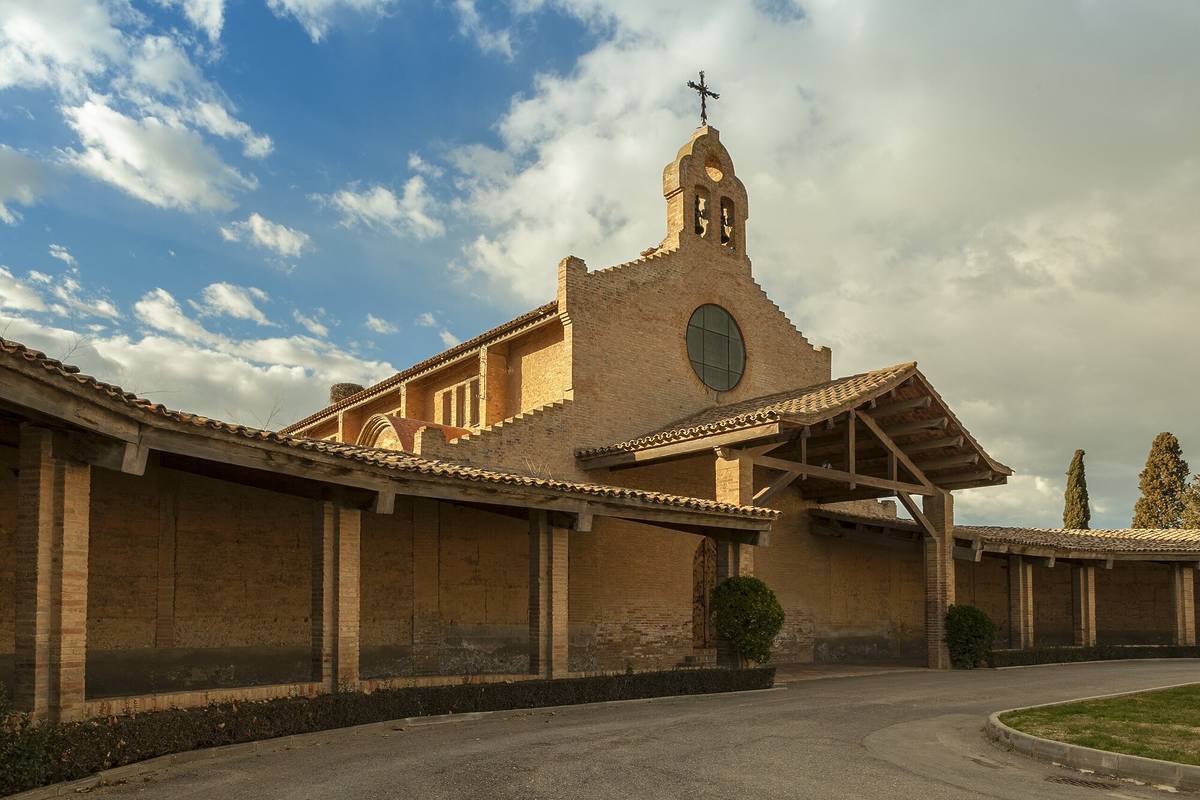
Rubió accepted the challenge and the result is simply spectacular. Under his direction, Raimat took shape. In 1918 he built the winery, considered the first reinforced concrete building in Spain and a true “cathedral of wine”. It is a monumental 150-meter nave where parabolic arches, buttresses and Gothic echoes shout “Gaudí” from all four sides.
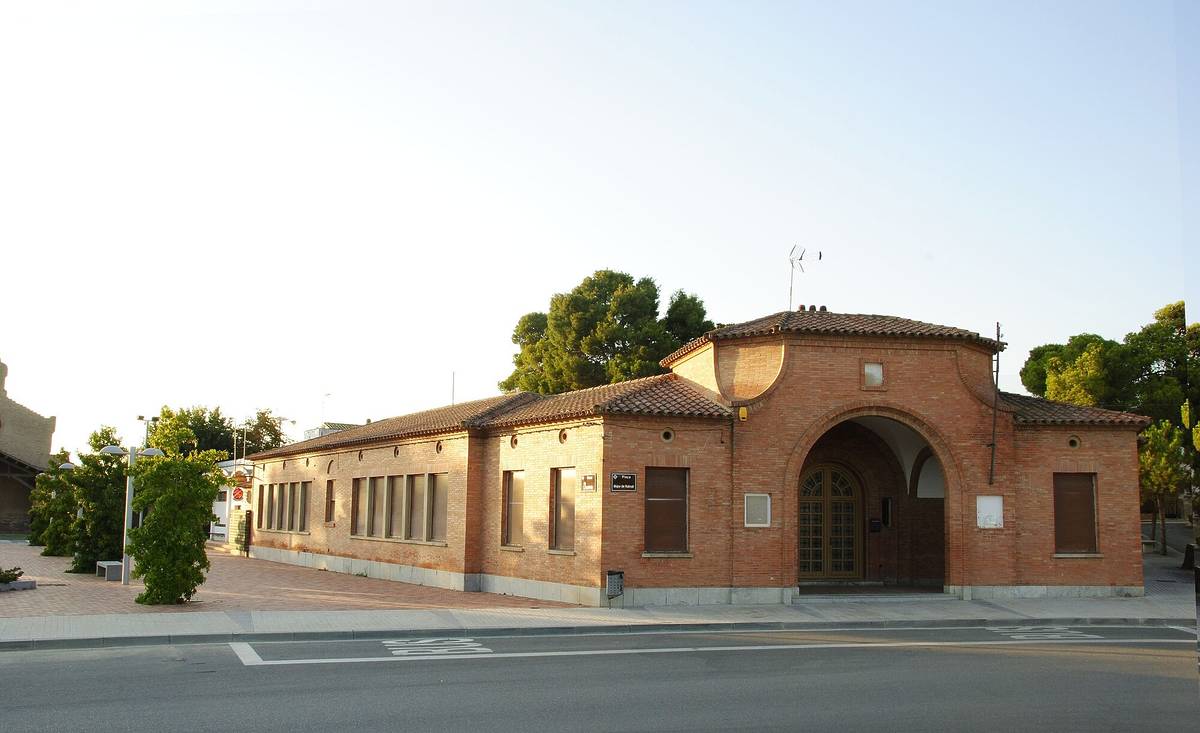
Shortly after, in 1922, he consecrated the church of the Sacred Heart and designed the houses for the settlers. Rubió didn’t just construct buildings: he designed an entire village. He created an agricultural colony that imitated the Llobregat factories, with its school, cooperative and services, fusing rural functionality with modernist genius.
Raimat today: a wine and architecture getaway
Today, visiting Raimat is a brutal getaway. It is to stroll through the only Catalan village born from an integral modernist plan, to be amazed by a “Gaudinian” architecture that reinvents the rural landscape and, at the same time, to taste some spectacular wines from the D.O. Costers del Segre.
It is living proof that, although Gaudí did not put his signature, his spirit was capable of transforming a desert into a utopia of vineyards.
Maybe you are interested in: The best wineries in Gràcia to have a vermouth this weekend.