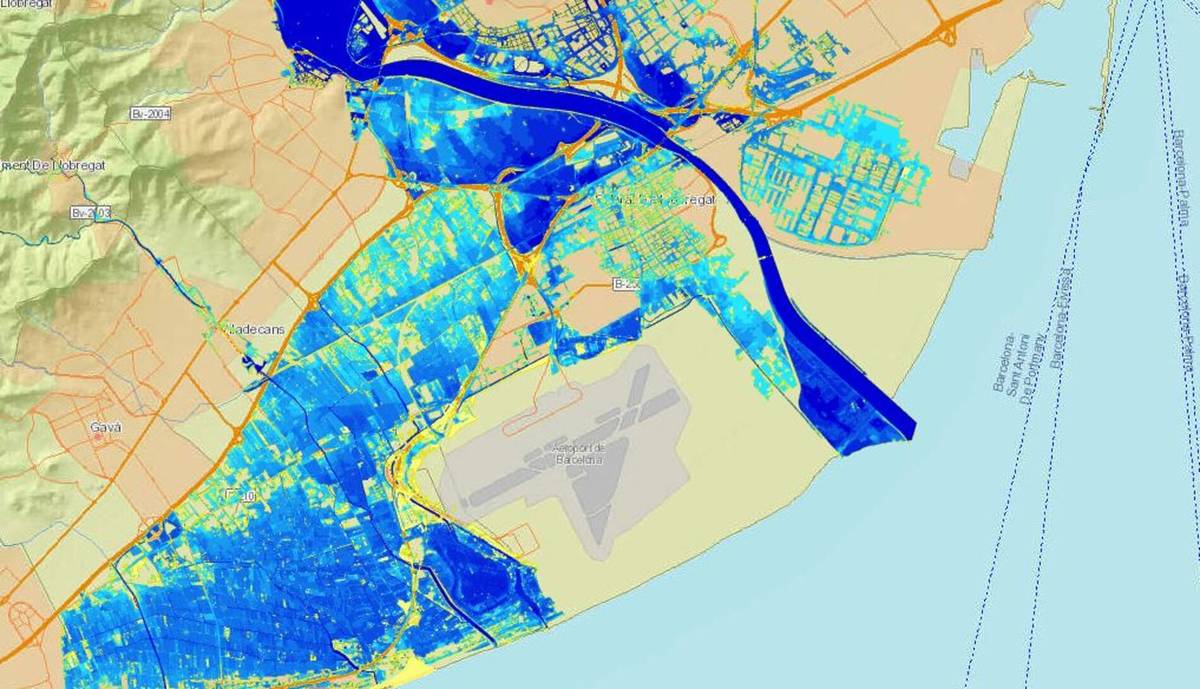

Recent autumns on the Mediterranean coast have been particularly unsettling in meteorological terms. Just a few weeks ago, Barcelona and the entire Catalan coast faced two nearly consecutive storms that brought unprecedented rainfall, with the threat of the dreaded “medicán” hanging in the air.
Rainfall totals of more than 280 liters per square meter (nearly half the average annual rainfall) in very short periods caused some flooding and serious problems in various parts of the city, particularly affecting the rail infrastructure.
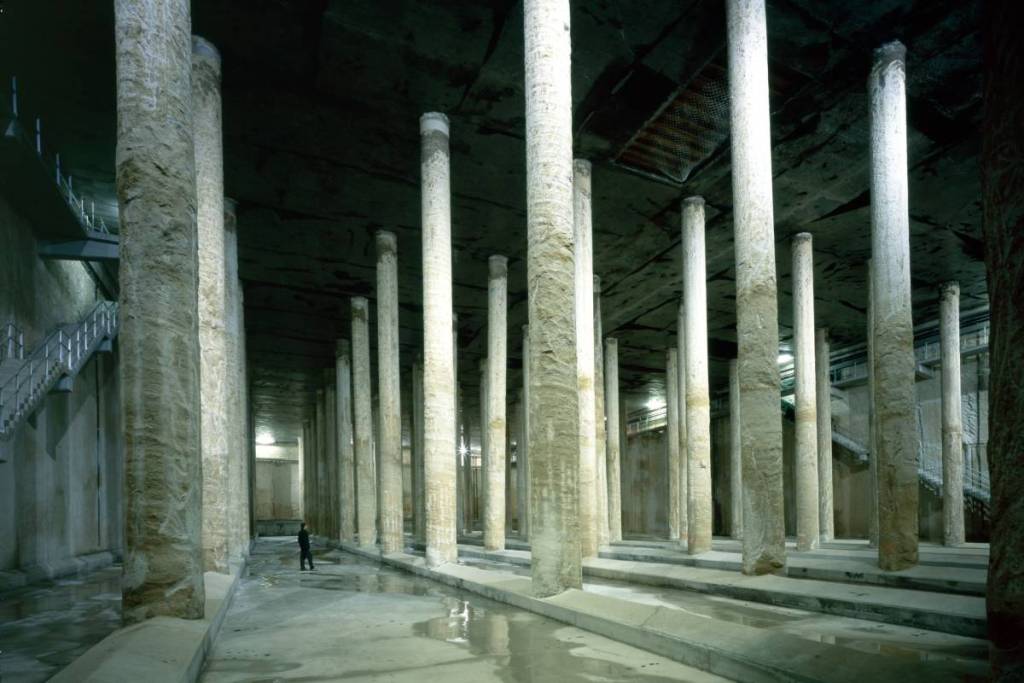
Despite the damage, the consequences could have been much worse were it not for Barcelona’s “underground float,” an infrastructure system that contains torrential rains and essentially serves to prevent the city from flooding.
This system operates thanks to a network of 15 water reservoirs capable of storing 477 million liters of water. It is a largely underground system (13 of the 15 tanks are underground and 2 are above ground) that was designed in the 1990s to optimize urban drainage. The largest of these reservoirs is located in the University District and can hold more than 100 million liters.
The system works very simply: these basins retain water when the sewers are overwhelmed and gradually send it to the treatment plants as the storm subsides.
40 depots still to be built
However, according to the Comprehensive Sanitation Master Plan for Barcelona (PDISBA), the Barcelona City Council has land set aside to build between 25 and 29 additional reservoirs, but the long-term goal is to construct 40 new reservoirs.
The most imminent one is on Rambla Prim, scheduled to open in 2028. The next three, already planned, will be located in Vallcarca, Bac de Roda, and La Sagrera; the first two are still in the planning phase, and the third is under construction, subject to Adif’s railway works.